Pill Poppers for Dogs: What to Check Before Using One
Understand what a dog pill popper is, which safety and fit questions matter, when a treat is easier, and why a veterinarian should demonstrate use.
Pill Poppers for Dogs: What to Check Before Using One
A pill popper for dogs, sometimes called a pet piller or pill dispenser, is a handheld device intended to place an intact tablet or capsule into the mouth without putting the caregiver's fingers near the back teeth. It is not a universal solution. A device that is too large, poorly maintained, or used on a frightened dog can make medication time unsafe. Ask a veterinarian to assess the dog and demonstrate the specific device before using one at home.
What a dog pill popper does Most devices have a shaft, a plunger, and a tip that holds a tablet or capsule. The operator positions the loaded end as instructed and releases the medicine by pushing the plunger. The advantage is that the caregiver does not need to balance a loose pill on a fingertip. Some designs have a flexible tip or other features that can change how the medication is held.
The tool does not crush medicine, control the dose, or confirm the dog has swallowed. Its purpose is mechanical placement. After every use, the owner still needs to check for a rejected tablet and follow prescribed aftercare. Unlike an edible pocket, a pill popper offers no flavor disguise; it may be more appropriate when the medicine must not be taken with food.
When the tool may be worth discussing A dog that routinely detects tablets inside treats may need another approach. A veterinarian may suggest a pill popper after ruling out easier methods and demonstrating comfortable handling. The dog's size, jaw shape, oral disease, bite history, and level of distress all matter. An elderly dog with pain around the mouth, for instance, may not be a good candidate for a device-based home technique.
A pet piller is not a shortcut for an animal that fights restraint. If the dog lunges, gags, or becomes frightened, stop and get professional guidance. The veterinary team may recommend a modified medication form or administration at the clinic instead. Safety for the caregiver counts alongside successful treatment.
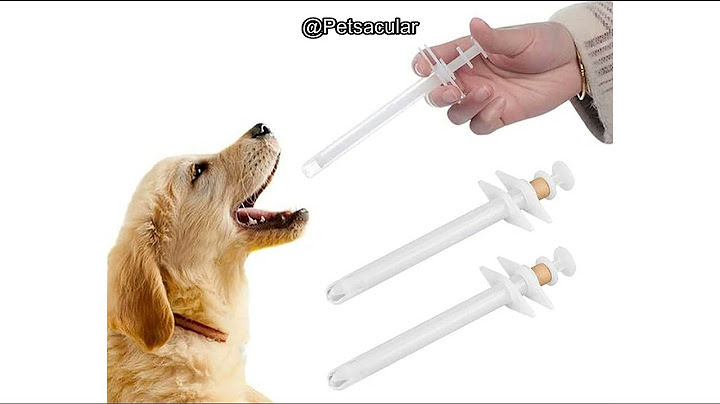
Device selection: tip, size, and condition Inspect the material that contacts the mouth. A tip should be intact, smooth, secure, and appropriately sized for the medication. Cracked plastic, sharp edges, a loose rubber end, or a sticky plunger are reasons to replace the device. Check whether it securely holds the prescribed capsule without requiring the capsule to be cut or squeezed.
The length and grip should allow controlled movement without excessive force. Bigger is not inherently better: a bulky device may be harder to position in a small dog's mouth. Ask clinic staff to recommend a design they can demonstrate. Internet listings may use the same name for very different shapes, so compare the actual product rather than relying on a generic “pet pill shooter” description.
Get a veterinary demonstration first Have a veterinarian or veterinary technician show how to load and orient the device, how far it is appropriate to position it, and when to release the plunger. Practice with the team before attempting the real prescription at home. Never force a device down the throat or hold it against a struggling dog's sensitive tissues. Stop immediately if the dog coughs, gags persistently, or shows signs of distress.
Ask what positive reinforcement is compatible with the medication. After the tablet is delivered, check that the dog actually swallows it and does not spit it out. The device's trigger moving forward does not prove success. For a dog that resists repeatedly, request a new plan rather than repeating increasingly stressful attempts.
Cleaning and medication instructions still apply Clean the device after each use according to the manufacturer's directions and let it dry before storage. Residue from a previous tablet should not be transferred to another medication. Keep pill poppers away from children and store them with, but separate from, the labeled prescription. Check the device for wear before each dose, particularly at the removable tip.
An empty-stomach instruction remains in effect even though no treat is involved. The medicine may have specific swallowing or follow-up instructions. Never alter the prescribed tablet so that it fits a device. If the medicine is rejected, follow the same missed-dose precautions as with any other method: document uncertainty and contact the clinic before repeating it.
Pill popper or pill pocket? A pill pocket is an edible delivery aid that may work for a treat-motivated dog when food is permitted. A pill popper is a mechanical option sometimes considered when food is prohibited or rejected, but requires training and cooperation. Neither solves a medication formulation problem, and neither guarantees swallowing.
Choose together with the veterinary team. For general administration decisions, read the guide to giving a dog a pill. For treat ingredients and sizes, use the separate dog pill pockets guide.
Frequently asked questions ### Is a pill popper safe for every dog? No. Size, oral health, behavior, and the caregiver's technique affect safety. Ask the veterinary team to demonstrate before home use. ### Does a pill popper change whether medication can be taken with food? No. Follow the prescription's food instructions regardless of the delivery tool. ### Can a pill popper be used for capsules? Some devices accept capsules, but fit must be checked. Never cut or modify a capsule merely to fit the device. ### What if the dog gags or struggles? Stop. Do not force the device; consult the veterinary team about a safer approach or alternate formulation. ### How often should the device be cleaned? After each use, according to the specific manufacturer's instructions, and whenever medication residue is present.
Related reading
How to Give a Dog a Pill Without Missing the Dose
Dog Pill Pockets: Choosing a Treat That Helps With Medication