How to Evaluate Best-Selling Korean Skin Care Products
Explore how to read changing Korean skin care best-seller lists, compare product formats, and avoid mistaking popularity for effectiveness.
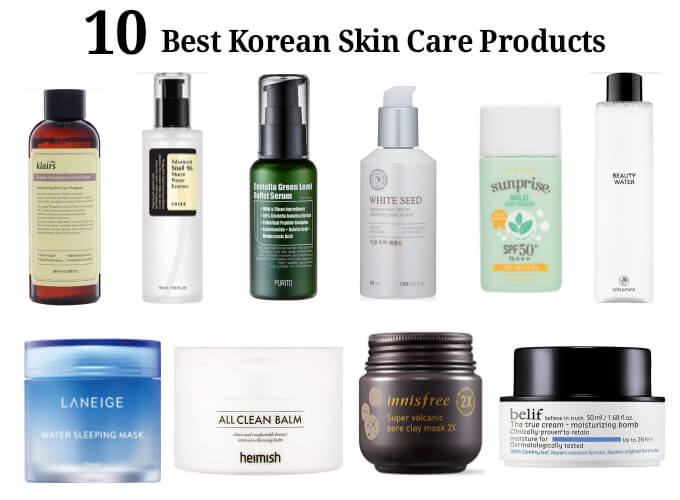
How to Evaluate Best-Selling Korean Skin Care Products
Best-selling Korean skin care products can be useful for discovering a format or brand, but a sales chart is not a clinical comparison. A product may lead one retailer's list for a week because of promotions, availability, or a popular creator. Treat rankings as a dated shopping snapshot, not a universal verdict on performance.
What does 'best-selling' actually mean?
A chart might rank units sold, revenue, orders, customer favorites, or products trending inside a specific app. These are different measurements. Ask who compiled the list, which country and retailer it covers, and whether it includes all brands or only the marketplace's own inventory. A Korean beauty platform ranking should not be silently presented as a U.S. bestseller list.
An article that claims 'the top product today' needs a dated primary data source and a repeatable method. Without that evidence, it is more accurate to explain how to evaluate rankings than to name unverified winners. This guide does not present a live product leaderboard.
Why rankings change quickly
A temporary price discount, a launch, a brand partnership, or a product going out of stock can all change apparent popularity. Reviews also have different age distributions: a new release with intense attention may not have the same history as an established moisturizer. The safest comparison records the date checked, source, market, ranking definition, and any obvious caveats.
If a comparison omits these details, do not infer that the listed products remain best-selling months later. A snapshot and an evergreen skin-care guide answer different questions.
Compare formats before brands
Toner pads, cleansing oils, sunscreens, sheet masks, and serums are purchased for different reasons. A person shopping for a daily sunscreen needs information about broad-spectrum protection, SPF, and wearability; mask popularity cannot answer that question. Match the product category to a real need before looking at a chart within that category.
For a toner pad, review whether the formula hydrates or exfoliates. For a serum, determine which ingredient goal it targets. For sunscreen, verify the product's labeling for the market where you will use it. Category-specific fit is more meaningful than a cross-category sales rank.
Spot questionable claims
Be skeptical when an affiliate roundup claims a ranking without naming the retailer or observation date. 'Dermatologist-loved,' 'viral,' and 'No. 1 in Korea' are not interchangeable facts. Check whether reviewers disclose sponsorship, whether benefits sound medically exaggerated, and whether ingredient lists match the claims.
A high rating also does not guarantee compatibility with your skin. Fragrance, exfoliating acids, and certain active ingredients can irritate even when the product is popular.
A repeatable shopping worksheet
For each candidate, write down the intended purpose, type of formula, ingredient considerations, available U.S. labeling, total cost, return policy, and source/date of any claimed ranking. Compare only products in the same category. Patch-test a new item before switching your full routine.
Common questions
Does 'best-selling' mean most effective? No. Sales indicate demand in a defined channel; they do not establish comparative clinical efficacy.
Why are no numbered winners listed here? A current, market-specific product ranking was not independently verified for this draft, so naming winners would be misleading.