Building a Korean Skin Care Routine for Mature-Looking Skin
Find the roles of hydration, sun protection, and common active ingredients in Korean anti-aging skin care without exaggerated claims.
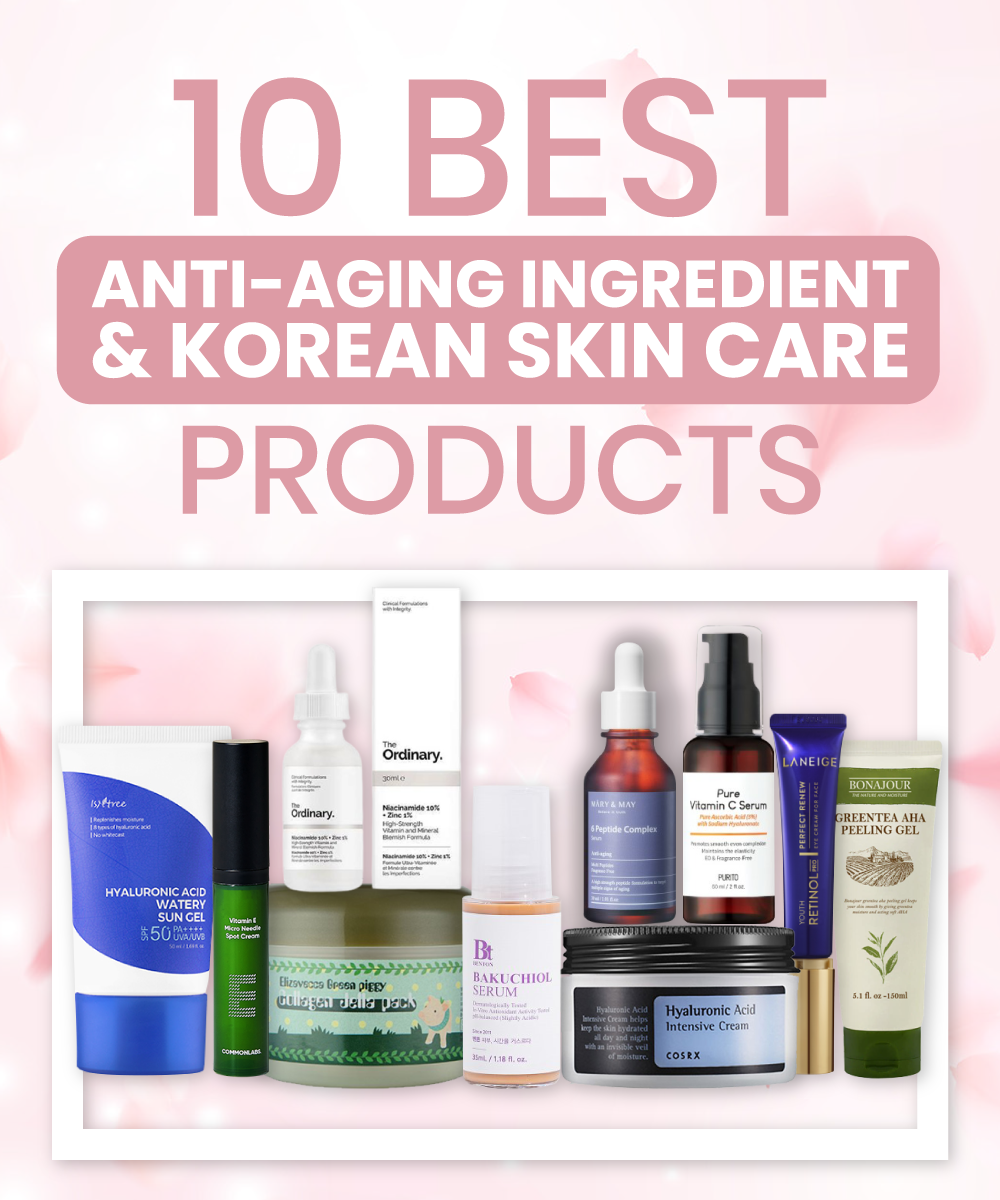
Building a Korean Skin Care Routine for Mature-Looking Skin
Korean skin care for mature-looking skin is often marketed through hydration, dewy finishes, and elaborate layering. An effective routine does not need to be elaborate. It needs a realistic goal—such as reducing dryness or improving the appearance of fine lines—and ingredients you can tolerate consistently.
What does anti-aging mean on a label?
'Anti-aging' is a marketing umbrella, not a single measurable outcome. Some products temporarily plump the appearance of dry lines; others aim to improve texture or uneven tone with repeated use. No cosmetic can stop normal aging. Compare claims with the product's ingredients, duration of use, and evidence rather than assuming an expensive ampoule has greater effects.
Fine lines related to dehydration may look different after moisturization, while deeper changes in skin texture require different expectations. Take note of whether a label promises a cosmetic appearance change or implies treatment of a medical condition.
Make hydration the foundation
A gentle cleanser followed by a moisturizer is often more helpful than five overlapping serums. Humectants such as glycerin attract water; emollients and barrier-supporting ingredients help skin feel smoother. Creams may be more comfortable for dry skin, while light lotions can work when heavy products feel greasy.
K-beauty essences and ampoules can add a pleasant texture or a focused ingredient, but they are optional. Layering multiple hydrating products does not guarantee a proportional benefit. If your skin feels itchy or tight after a long routine, simplify before buying more.
Retinoids and sun protection deserve care
Retinoids can be relevant to visible signs of skin aging, but they may irritate, particularly when introduced alongside exfoliating acids. Discuss stronger treatments with a clinician if you have sensitive skin or other skin conditions. Retinoids are generally avoided during pregnancy; do not assume an imported 'gentle retinol' is an exception.
Daily sun protection remains a major part of prevention. Choose a broad-spectrum SPF 30 or higher and use it according to its U.S. labeling. No night serum makes sunscreen unnecessary.
A straightforward morning and evening plan
Morning: cleanse gently if needed, apply a moisturizer that suits your skin, and use broad-spectrum sunscreen. Evening: wash away sunscreen and makeup, use one suitable treatment if desired and tolerated, then moisturize. New treatments should be introduced one at a time rather than changing a whole routine in a weekend.
Dryness may change across seasons, so the texture of your moisturizer can change without replacing your entire routine. Consistency and skin comfort are better signals than how many bottles appear on your shelf.
Be cautious with dramatic promises
Claims of instant collagen replacement, permanent wrinkle removal, or results that mimic an in-office procedure deserve scrutiny. Ask whether the evidence concerns the finished product or merely an ingredient studied under different conditions. When persistent irritation or rapidly changing skin occurs, seek an individualized dermatology assessment.
Common questions
Do I need every K-beauty step for mature skin? No. The core routine can be short; additions should address a distinct need.
Can hydration erase all wrinkles? No. Hydration may temporarily soften the look of fine dry lines but cannot reverse every age-related change.