Microfiber Sofas With Cats: Pros, Cons and Care
A practical guide to microfiber sofa cats: fabric and furniture tradeoffs, humane scratch management, protection options and realistic care tips.
Microfiber Sofas With Cats: Pros, Cons and Care
Quick answer. Microfiber can be a practical upholstery choice in a home with cats, but it is not a single fabric and it is not claw-proof. Most consumer descriptions refer to extremely fine synthetic fibers, often polyester-based, made into different weaves or knit surfaces. Whether a particular microfiber sofa attracts fur, snags claws or tolerates cleaning depends on the exact surface, seam construction and care code. A real fabric sample is much more useful than a generic claim that 'microfiber is best for pets.'
What microfiber means for a furniture buyer
Microfiber describes fine fibers, not one standardized upholstery finish. One couch may have a smooth suede-like nap, another a textured woven face and another a tightly brushed surface. Those details influence how claws catch and how fur brushes away. Ask for the fabric's construction and cleaning code rather than relying only on the fiber name. Inspect how the fabric changes appearance when brushed with and against the nap.
Some microfiber shows handprints and direction marks more readily than claw damage; others may retain visible tracks from repeated abrasion.
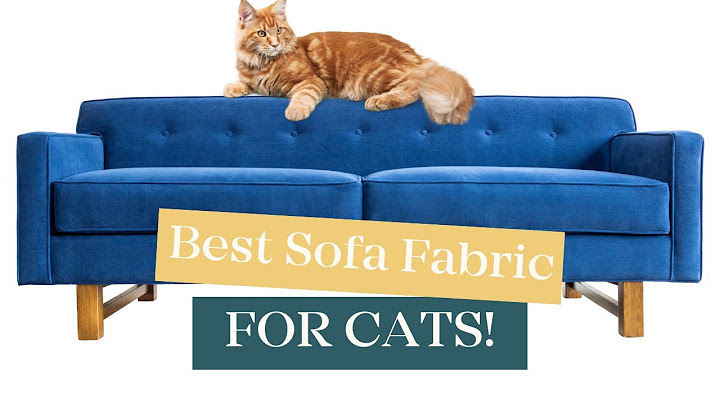
Snagging and scratches: what to examine
A closely arranged, smooth surface may offer fewer obvious loops for claws to hook, but a cat can still pierce fabric or damage a seam. Inspect a swatch under strong light, paying attention to tiny raised fibers and stretch between threads. Look at the sofa's piping, buttons and seam edges, where claws can get leverage even when broad seat panels remain intact.
Do not run sharp tools through a sample to imitate a cat; routine handling and a retailer-approved durability demonstration are better evidence. Ask whether the upholstery can be repaired or whether replacement cushion covers are available.
Removing cat hair without damaging the nap
Start with a vacuum upholstery attachment or a clean, slightly damp microfiber cloth used gently in the same direction as the fabric nap. A soft pet-hair tool may lift stubborn hair, but aggressive scraping risks roughening some finishes. Test any rubber brush on an inconspicuous area and stop if it leaves marks. Regular light cleaning is often easier than allowing hair and dust to build in cushion seams.
Consider a washable throw where the cat sleeps daily, and clean the throw separately according to its own label.
Cleaning codes and spot tests
The furniture care tag is more authoritative than generic internet recipes. Some upholstery accepts water-based cleaning, some requires solvent-based approaches, and some specifies professional treatment. Verify the current manufacturer's code before applying anything wet. Even water can leave a ring on certain surfaces. Blot spills instead of rubbing them across the nap, and avoid saturating cushions because retained moisture can cause odor.
Test a small hidden area first and allow it to dry completely. When uncertain, use professional upholstery cleaning rather than experimenting with detergent, steam or household vinegar.
Compare a physical swatch at home
Request a sample in the specific color and finish you plan to purchase. View it in daylight and evening light, then place shed cat hair against it to see how easily it becomes visible. Stroke the nap in two directions to look for persistent shading. Rub the swatch lightly with clean fingers to assess feel and static; make sure the retailer permits any further tests.
Compare it with fabric already used successfully in your home. A lighter shade may hide pale fur and show dirt, while a darker shade can do the opposite; the best choice depends on the household, not a universal color rule.
Microfiber versus leather and open-weave fabric
Leather can be easy to wipe but reveals punctures or scratch lines; microfiber avoids some of that appearance yet can still mark and accumulate oils. Open, decorative weaves may expose loops that catch claws. Tightly woven non-microfiber fabric can also perform well, showing that fiber type alone should not decide the purchase. Consider seat comfort, cover removal, stains, repairs and the cat's habits together.
The broader cat-proof couch guide covers those competing upholstery families; this page focuses only on evaluating microfiber itself.
Maintain the fabric while supporting natural scratching
Vacuum regularly, rotate removable cushions if permitted, and deal with spills promptly under the care instructions. Inspect piping, arm corners and the backs of loose cushions for small pulled threads before they grow. Keep a stable scratcher beside whichever arm the cat has selected. If claw contact persists in one spot, a compatible removable arm guard can be more effective than changing the entire couch.
Do not apply adhesive protectors without checking that the microfiber finish tolerates removal; a guard can leave marks on a delicate nap.
Where microfiber falls short
Microfiber is not automatically breathable, stain-proof, odor-proof or ideal for a cat prone to destructive chewing. A dense cushion can trap a spill even when the cover cleans easily. Rough claws may catch trim and seams, and heavily brushed finishes can show wear patterns. These limitations do not make it a bad choice; they make sample checks and realistic cleaning plans essential.
Prioritize the exact construction and maintenance information, then decide whether it fits your household's tolerance for visible fur and texture changes.
At-a-glance comparison
| Check | What to verify | Potential issue |
| Nap and weave | Smoothness of actual swatch | Visible directional marks |
| Piping | Raised edge and stitching | Claw snags |
| Care code | Manufacturer-approved cleaning | Water rings from wrong solvent |
| Color | Contrast with pet hair | Daily visible shedding |
| Cover options | Replacement and removal | Cost of difficult repairs |
Before you decide: practical checklist
Observe the cat’s actual rest, jump or scratching habit instead of choosing by a styled photograph.
Confirm exact usable dimensions, mounting or frame stability, and the manufacturer’s stated limitations.
Check seams, loose parts, chewable components and whether all accessible surfaces can be cleaned.
Choose a location with safe access, a clear exit and enough space to inspect the product regularly.
Keep an alternative resting or scratching option available; do not force a cat to use the new item.
Frequently asked questions
Is microfiber furniture cat-proof?
No. Some constructions may be comparatively practical, but claws can still damage a panel, seam or piping.
Does microfiber collect cat hair?
It can. Visibility and ease of removal depend on nap, static, texture and the color of the cat's coat.
Can I steam-clean a microfiber sofa?
Only if the manufacturer's specific care instructions allow it; unapproved moisture or heat can damage some finishes.
Is leather or microfiber better with cats?
Leather tends to wipe clean but shows scratches; microfiber has different cleaning and wear tradeoffs. Inspect the exact options.
What should I check before buying?
Obtain a swatch, verify the cleaning code, inspect seams and cushion covers, and evaluate shedding and claw behavior in your home.
Related guides
Cat-Proof Couch — Practical Sofa Materials and Selection
Couch Guards for Cats — Compare Covers and Scratch Shields
How to Stop Your Cat From Scratching the Couch
Editorial notes and limitations
Scope of this guide: Fabric-specific microfiber evidence and limitations for households with cats, weave, claws, fur removal, cleaning codes. This article intentionally does not try to become a substitute for the separate guides covering all upholstery materials comparison or step-by-step scratching training. Recommendations are based on product features and cat-care principles, not claimed first-hand testing, paid rankings, or an assumption that every cat has the same preferences. Check current product instructions and consult a veterinarian for persistent behavior changes, suspected pain or urgent health symptoms.