Milk-Bone Pill Pouches With Real Chicken: Label Guide
Learn what to verify on Milk-Bone Pill Pouches with Real Chicken labels, pill fit, feeding guidance, and the difference between a treat and medication.
Milk-Bone Pill Pouches With Real Chicken: Label Guide
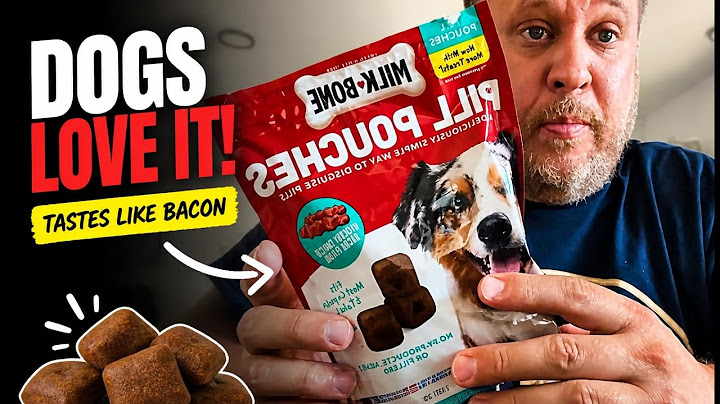
Milk-Bone Pill Pouches With Real Chicken are soft dog treats intended to wrap around tablets or capsules. The manufacturer's current U.S. chicken product page describes chicken as its first ingredient and gives instructions for inserting and sealing medication. Search phrases mentioning a “variety” pack may refer to changing assortments or retailer descriptions, so this page focuses on the identifiable chicken product—not an unverified variety-pack composition or a hands-on product test.
Identify the actual Milk-Bone product The official Milk-Bone listing names “Pill Pouches With Real Chicken” and shows a 7.4-ounce pouch in the listing reviewed. It describes a pliable treat intended to disguise many tablets and capsules. Before buying, compare that name to the physical package and verify the U.S. product's current net weight, flavor, ingredients, and feeding instructions.
A search engine may group chicken and variety-pack queries together even if those listings do not describe the same retail SKU. Do not assume an assortment includes particular flavors or quantities without seeing the precise package label. Different product versions should not be blended into one supposed specification sheet.
What the official chicken label says The manufacturer's U.S. chicken page lists chicken as the first ingredient, followed by ingredients including glycerin, soy flour, cane molasses, wheat flour, and pea protein. It also lists natural flavors and preservatives. Dogs with a known chicken, soy, or wheat sensitivity—or a prescribed elimination diet—need an ingredient review with the veterinarian before the treat is used.
The reviewed page states a calculated energy value of 21 calories per piece and describes the treats as intended for intermittent or supplemental feeding. Those are product-page figures, not independent laboratory measurements. The physical bag and official current listing should be checked again before publication or purchase because formulas and package presentations can change.
Calories, portions, and special diets A medication treat is still part of a dog's daily food intake. One pouch per dose may add a meaningful amount for a small dog, especially if several doses are scheduled. Milk-Bone publishes feeding guidance by body weight, but do not interpret that guidance as permission to give additional medication or ignore a veterinarian-prescribed calorie target.
Dogs with weight-management plans, food allergies, pancreatitis, or other dietary conditions may need a different medicine vehicle. A soft treat is not a replacement for a complete diet, and a label's generic feeding guideline should not override individualized veterinary instructions. Ask the clinic to suggest a compatible low-volume option when additional calories are a concern.
Check tablet fit without changing medication To use the product concept, place an intact tablet or capsule into the pouch and pinch the sides closed so that the medicine is fully enclosed. The manufacturer's instructions describe a three-step approach of inserting, sealing, and feeding. Check that the opening fits the prescribed medicine; a tablet that protrudes may be noticed by the dog and rejected.
Do not split or crush medication just to fit the treat. An extended-release, coated, or otherwise specially formulated tablet may be harmed by alteration. The veterinary team must also confirm that the specific prescription may be taken with food. No treat brand can establish that compatibility on behalf of the prescriber.
How to verify that the medicine was swallowed Offer the medicated pouch as a separate bite and watch the dog finish it. Some dogs swallow the outside and spit out the pill; others may drop the treat unnoticed. Check the mouth area and floor afterward. If the dose is not clearly swallowed, note what happened and call the veterinary team before giving a replacement dose.
Avoid mixing medicines for multiple pets or leaving flavored medication within easy reach. Store treat packaging separately from the actual prescription and keep the drug's labeled container secure. For repeated refusal, the veterinarian may recommend a different treat, a demonstrated direct-pilling technique, or another medication formulation.
Buyer checklist and publication status Confirm the full official product name, chicken flavor, actual package weight, ingredients, calories per piece, feeding guidance, and storage directions against the current label. Check whether the manufacturer's page and physical bag agree. If the purchase listing says “variety,” inspect the assortment contents rather than transferring specifications from the single chicken SKU.
This guide remains Brand Hold pending review of the exact product sold. It offers a label-based selection framework without claiming a clinical test, pricing advantage, or superiority to other pill treats. For wider buying criteria, read the dog pill pockets guide; for administering a prescription, read the dog medication how-to guide.
Frequently asked questions ### What are Milk-Bone Pill Pouches With Real Chicken? Soft dog treats designed to enclose many intact tablets or capsules when medication may be given with food. ### Is chicken the first ingredient? The official U.S. chicken product listing reviewed identifies chicken first. Always verify the current physical package. ### How many calories are in one pouch? The reviewed official listing states 21 calories per piece. Check the exact label because the recipe or packaging may change. ### Is the chicken product the same as every variety pack? Not necessarily. Verify assortment contents and SKU separately rather than assuming one product listing covers all versions. ### Can I give a dose again if the dog spit out a pill? Ask the prescribing veterinary team. Do not repeat or double a prescription dose based on guesswork.
Related reading
Dog Pill Pockets: Choosing a Treat That Helps With Medication