What Is a Mule? Horse–Donkey Parentage, Traits, and Terminology
What Is a Mule? Horse–Donkey Parentage, Traits, and Terminology. Explain mule vs hinny, inheritance, training and ethical.
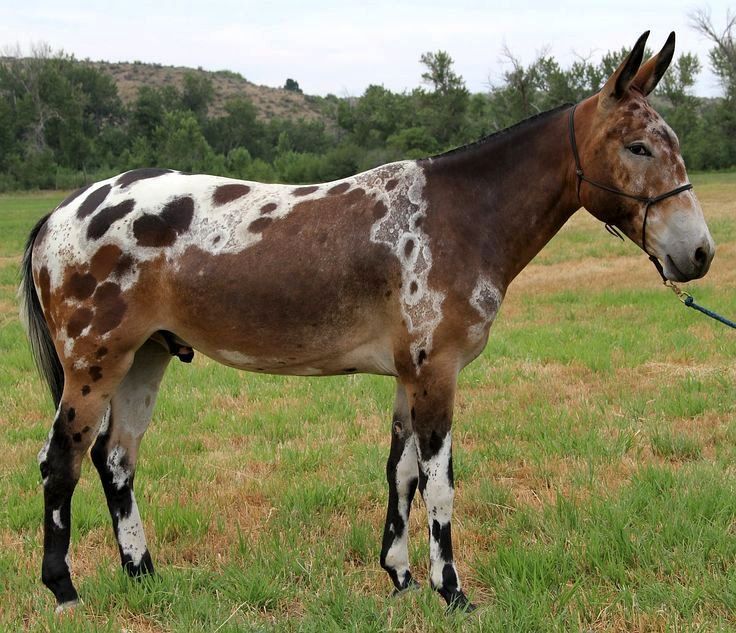
What Is a Mule? Horse–Donkey Parentage, Traits, and Terminology
A mule usually results from a male donkey (jack) bred with a female horse (mare).
A horse–donkey hybrid
The reverse cross, a male horse with a female donkey, is called a hinny. Both hybrids may display traits inherited from each parent, but their appearance and behavior vary individually.
Why mules are generally infertile
Horses typically have 64 chromosomes and donkeys 62, leaving most mules with 63. The mismatch interferes with normal production of reproductive cells, so mules are usually sterile. Rare exceptional pregnancies have been reported, but that does not make mules an ordinarily breeding population.
Working and riding characteristics
Mules have historically carried loads, worked trails, and served as riding animals. Claims that every mule is stubborn are simplistic: behavior depends on training, experience, health, and handling. Their feet, dental care, saddle fit, and nutrition still need species-appropriate attention.
Mule versus donkey
A donkey is a distinct domesticated equid, not a mule’s juvenile form. A mule is a hybrid with a horse mother and donkey father. Ear size alone cannot prove parentage. If acquiring or managing one, consult an equine veterinarian and experienced handler rather than relying on stereotypes about hardiness.
Why behavior labels mislead
Mules are often described as unusually cautious, but the behavior of an individual hybrid depends on learning history and the way it is handled. A refusal to cross a stream may reflect uncertainty, pain, or a previously unpleasant experience. Horses and donkeys also vary greatly in behavior. Safe training emphasizes clear cues and proper equipment fit. The hybrid’s reproductive biology explains its usual infertility; it does not predetermine intelligence, temperament, or suitability for a given task.
Reading breed and husbandry claims carefully
Breed names describe ancestry or selection history, not a promise about any individual animal. Climate, nutrition, breeding values, health, and handling influence outcomes. Where a practice affects animal health or reproductive welfare, consult a veterinarian or qualified extension specialist rather than using a general explainer as a protocol.
Separating biology from management decisions
A breed description, sex term, or production concept is not a substitute for a farm-specific plan. Genetics, age, body condition, feeding, climate, and welfare standards can alter outcomes. Measurements and records are more informative than dramatic photographs or an isolated claim about performance. Whenever a decision may involve surgery, reproductive intervention, milk handling, or a sick animal, seek a qualified veterinarian or extension professional and use current official guidance.
Frequently asked question
Can a mule normally reproduce?
Most mules are infertile due to mismatched parental chromosome sets, although rare exceptions have been recorded.
