Rambouillet Sheep: Wool, Size, Temperament, and Breed History
Rambouillet Sheep. Discuss fine-wool origin and productive traits distinct from generic sheep.
Rambouillet Sheep: Wool, Size, Temperament, and Breed History
Rambouillet is a fine-wool sheep breed developed in France from Merino ancestry.
Fine-wool sheep with French roots
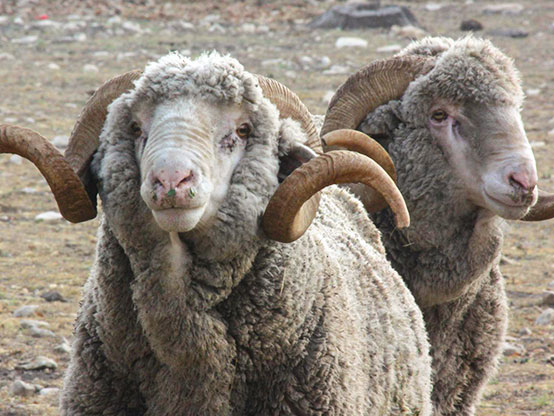
It is known in the US for fleece production and suitability to some range conditions. The breed can show white wool, substantial fleece coverage, and characteristic horn patterns that differ between sexes and lines.
Wool, not just appearance
Rambouillet wool is often valued for fineness and textile uses, but fleece quality depends on individual genetics, nutrition, environment, and handling. Length, fiber diameter, cleanliness, and strength all affect use. Sheep should not be selected solely for photographs of a dramatic fleece.
Range and flock management
Fine-wool sheep may be kept in extensive grazing systems, yet successful husbandry still requires parasite monitoring, hoof care, access to water, nutrition, and predator management. Shearing is essential for animals that continue to grow heavy fleece. Welfare planning must fit local weather.
Rambouillet versus Merino
The breeds share ancestry but are distinct breeding populations with different historical selection pressures. Compare individual animals and local production goals rather than treating the names as synonyms. For breed identification, pedigree and registry information are more dependable than fleece color alone.
Fleece quality needs measurement
A large fleece can look impressive without being ideal for a particular textile product. Wool buyers and breeders may consider fiber diameter, staple length, strength, uniformity, and contamination. Weather, nutrition, and shearing practices can change results within one flock. Good flock management also protects sheep from overheating, external parasites, and predators. Breed history explains why Rambouillet sheep are associated with fine wool, but only actual fleece measurements establish quality.
Reading breed and husbandry claims carefully
Breed names describe ancestry or selection history, not a promise about any individual animal. Climate, nutrition, breeding values, health, and handling influence outcomes. Where a practice affects animal health or reproductive welfare, consult a veterinarian or qualified extension specialist rather than using a general explainer as a protocol.
Separating biology from management decisions
A breed description, sex term, or production concept is not a substitute for a farm-specific plan. Genetics, age, body condition, feeding, climate, and welfare standards can alter outcomes. Measurements and records are more informative than dramatic photographs or an isolated claim about performance. Whenever a decision may involve surgery, reproductive intervention, milk handling, or a sick animal, seek a qualified veterinarian or extension professional and use current official guidance.
Frequently asked question
Is Rambouillet wool the same as every Merino fleece?
The breeds share ancestry, but fiber qualities vary by animal and breeding population.
