Zebu Cattle: Hump, Heat Adaptation, and Major Breeds
Zebu Cattle. Explain Bos indicus features, climate adaptations and US.
Zebu Cattle: Hump, Heat Adaptation, and Major Breeds
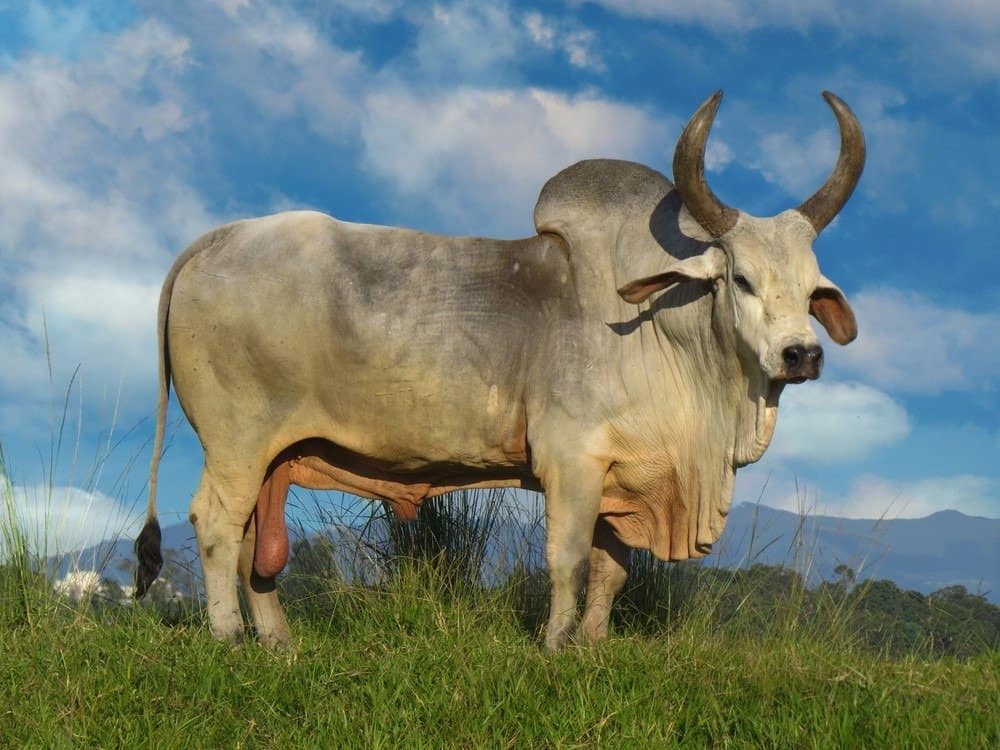
Zebu cattle are associated with Bos indicus ancestry and are often recognized by a hump over the shoulders, loose skin, and longer ears in some breeds.
What “zebu” means
Breeds such as Brahman, Gir, and Nelore have zebu ancestry. Not every hump-backed bovine is the same breed.
Adaptations to warm climates
Many zebu-derived cattle are valued for coping with heat and certain tropical or subtropical production challenges. Skin characteristics, behavior, and physiological traits can contribute to adaptation, but parasite resistance and productivity still vary with genetics, management, and environment.
Cattle crosses in the United States
In the southern US, Brahman-derived crosses may combine heat tolerance with growth or carcass traits from other cattle populations. Hybrid performance depends on the cross and selection program. Calling all zebu “dairy cows” or “beef cows” overlooks their multiple roles around the world.
How to identify responsibly
Observe hump location, ear shape, dewlap, frame, and reported breed history. Color is not definitive. Practical herd comparisons should include temperament, fertility, welfare outcomes, and environmental fit rather than claims that any one breed is universally superior.
Why a hump is not the whole story
The hump is a useful visual clue, but zebu-derived cattle vary substantially in body size, temperament, milk production, and adaptation. Some are used as draft animals, some for dairy production, and others in beef breeding systems. Heat tolerance is not immunity to dehydration, parasites, or poor welfare. A herd in the US southern states may include mixed indicus and taurus ancestry, so appearance alone should not be used to assign exact breed or management requirements.
Reading breed and husbandry claims carefully
Breed names describe ancestry or selection history, not a promise about any individual animal. Climate, nutrition, breeding values, health, and handling influence outcomes. Where a practice affects animal health or reproductive welfare, consult a veterinarian or qualified extension specialist rather than using a general explainer as a protocol.
Separating biology from management decisions
A breed description, sex term, or production concept is not a substitute for a farm-specific plan. Genetics, age, body condition, feeding, climate, and welfare standards can alter outcomes. Measurements and records are more informative than dramatic photographs or an isolated claim about performance. Whenever a decision may involve surgery, reproductive intervention, milk handling, or a sick animal, seek a qualified veterinarian or extension professional and use current official guidance.
Frequently asked question
Is zebu one breed?
No. Zebu describes a broader cattle lineage that includes multiple breeds with different purposes.
