Native American Recipes and Regional Food Traditions
Explore Native American recipes with named cultural origins, ingredient guidance, cooking instructions, and context that avoids pan-tribal stereotypes.
Native American Recipes and Regional Food Traditions
Interested in Native American recipes? Begin by distinguishing publicly shared recipes from contemporary dishes inspired by Indigenous ingredients. This practical cooking guide offers accessible vegetable dishes using corn, beans, squash, and other widely available foods. These home-kitchen adaptations are not presented as authenticated recipes from a specific nation or as substitutes for recipes shared by Native cooks.
Choose recipes with clear attribution
A recipe belongs to a context, not just an ingredient list. If a Native chef publishes a family recipe, name the chef and their community using the attribution they provide. If the recipe is your own variation using crops originating in the Americas, describe it that way. Many cuisines use corn, beans, and squash; those ingredients alone do not establish a dish's historical or ceremonial status.
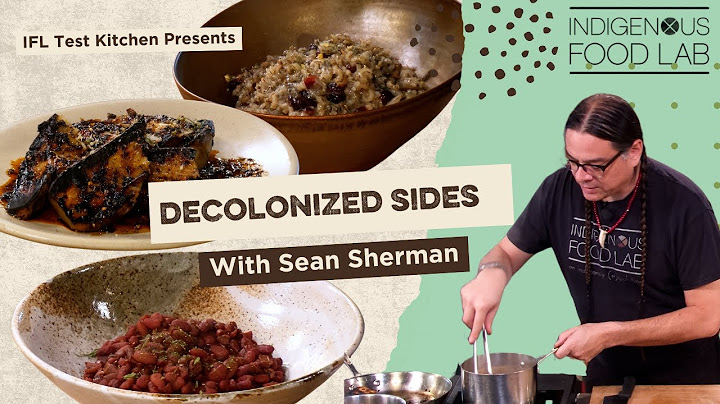
Check whether a historical source actually gives proportions and preparation steps. It is better to label an adaptation honestly than to invent a tradition because a recipe seems old-fashioned.
Recipe 1: corn, bean, and squash skillet
For four servings, gather 2 cups cubed winter squash, 1 tablespoon neutral cooking oil, 1 small diced onion, 2 cups cooked unsalted beans, 1 1/2 cups corn kernels, 1/2 cup water or unsalted vegetable broth, and a pinch of salt if needed. Heat the oil in a large covered skillet over medium heat. Cook the onion for about three minutes, then add squash and liquid, cover, and simmer until the squash is tender, usually 12 to 18 minutes depending on cube size. Stir in cooked beans and corn; heat thoroughly for another five minutes.
Finish with chopped herbs or a squeeze of lime if desired. This is a modern home recipe using familiar crops, not a claimed tribal or ceremonial preparation. Use fully cooked beans rather than raw dried kidney beans; undercooked kidney beans can cause illness.
Recipe 2: simple corn and bean soup
For four bowls, combine 1 diced onion, 2 diced carrots, 2 cups cooked beans, 1 1/2 cups corn, 4 cups low-sodium broth, and 1 teaspoon cooking oil. Soften the vegetables in the oil for five minutes. Add broth, beans, and corn; simmer for 15 to 20 minutes until the carrots soften. Season to taste and serve hot. Dried beans must be soaked and cooked appropriately before they go into the soup; do not treat a brief soup simmer as an adequate way to cook raw beans.
Regional cooks may use different greens, chiles, grains, fats, or proteins. Rather than claiming this is how any one nation cooks, treat it as a flexible weeknight vegetable soup.
How to select and substitute ingredients
Frozen corn and commercially canned cooked beans are convenient choices. Rinse canned beans to reduce excess sodium. If winter squash is unavailable, diced pumpkin or sweet potato provides a similar texture, though it changes the flavor. Choose foods that are accessible and safe for your household; avoid gathering unfamiliar wild plants without expert identification.
For a recipe genuinely published by a Native cook, keep the original author's recommended ingredients and explain substitutions separately rather than silently rewriting the source.
Cultural context and responsible sharing
Corn, beans, and squash are often called the Three Sisters in Indigenous agricultural education, but companion planting practices and foods are diverse. Wild rice, salmon, game, berries, and many gathered plants also have important histories in particular regions. Some family recipes are shared publicly; other knowledge may be private or connected to community relationships.
A useful recipe collection notes the nation or region of any named traditional dish, links readers to a separate cultural overview on the same site, and does not use a generic headdress image as food decoration.
Food safety and serving suggestions
Wash produce, store leftovers promptly in the refrigerator, and reheat cooked food thoroughly. Ask guests about allergies and dietary restrictions, including legumes. For school cooking activities, use prepared ingredients and follow local food-handling requirements. A good cooking article should be helpful in the kitchen as well as careful with cultural claims.
Frequently asked questions
Are these traditional tribal recipes?
No. The two examples are modern home preparations using common ingredients; they are not attributed to a specific tribal tradition.
Can I use canned beans in these recipes?
Yes. Rinsed, fully cooked canned beans are convenient and avoid the safety problems of undercooking dry kidney beans.
Do all Native cultures use corn, beans, and squash?
No. Agricultural practices and customary ingredients differ widely by community and region.
Where can I find tribally attributed recipes?
Look for cookbooks and public recipes by Native chefs or tribal cultural organizations that identify the recipe’s specific origins.
Related reading
Explore these focused guides for the next step in your research:
Native Peoples Today: Nations, Communities and Sovereignty