Outdoor Rabbit Enclosure: Building a Safer Exercise Run
Learn how to plan a safer outdoor rabbit enclosure with a covered run, escape prevention, shade and daily inspections.
Outdoor Rabbit Enclosure: Building a Safer Exercise Run
Learn how to plan a safer outdoor rabbit enclosure with a covered run, escape prevention, shade and daily inspections.
Quick answer
An outdoor rabbit enclosure is an exercise space that must solve a harder safety problem than an indoor playpen. A rabbit may dig beneath a boundary, squeeze through a gap, or become frightened by animals outside it; predators may approach from above, below, or through weak joints. The goal is not to promise that any do-it-yourself pen is predator-proof. It is to plan a continuously available, appropriately spacious, sheltered run, recognize its failure points, and keep inspecting it. This guide focuses on the run itself, while our outdoor rabbit hutch guide deals with the attached sheltered sleeping area.
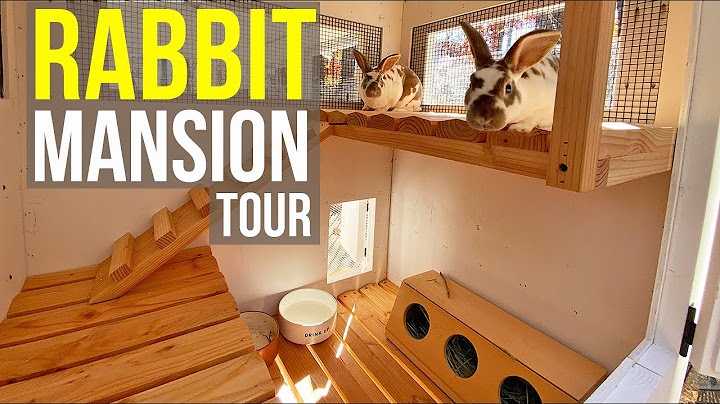
Run versus temporary pen: make the distinction
An open-top pen placed on grass may be useful for brief, closely supervised activity, subject to weather and predator risk, but it is not the same thing as a secured outdoor living enclosure. A main run requires robust walls, a secure roof, controlled ground-level escape routes, lockable access, and a weatherproof retreat. Its available floor area must support real movement, not merely fit a hay bowl. RWAF recommends a continuous 3-by-2-meter ground footprint and 1 meter of height for an average pair of medium rabbits. This is a welfare guideline rather than a US legal design standard. If a home cannot accommodate secure continuous exercise outdoors, a safe indoor alternative should be considered.
Cover the top and evaluate nearby climbing routes
Birds of prey and climbing mammals make a roof or other securely enclosed top an important part of unsupervised outdoor housing. A loose shade cloth is not a security roof; netting can sag and create entanglement risks. Inspect the roof's connection to the walls, hinge locations, and places where heavy objects or branches could damage it. Shade can be provided with a separate safe cover that does not compromise structural inspection or ventilation. Trees, sheds, fences, and stacked furniture nearby may give predators access or fall into the run. A secure top should remain effective when the owner is not present to respond immediately.
Mesh, framing, doors, and fasteners
Choose construction that resists bending and pulling, with small enough openings to reduce entry and entrapment risks. The RSPCA recommends heavy-gauge mesh and strong fastenings for outdoor accommodation but does not certify a universal mesh type or guarantee. Check the frame's corner rigidity and how mesh is attached along every edge. Thin staples, improvised clips, and flexible panels deserve special scrutiny. A human-access door should close cleanly and latch in a way an animal cannot simply lift. Inspect the join where roof, wall, and door meet: a strong panel does not help when an adjoining corner has a gap.
Plan for digging without exposing feet to wire
Rabbits dig, and some predators dig in the opposite direction. An outdoor run therefore needs a thoughtfully secured perimeter and ground interface. One approach uses a barrier placed below ground level and covered by sufficient soil or turf, rather than leaving the rabbit walking directly on wire mesh. Installation must consider local soil, drainage, landscape constraints, and safe maintenance; do not claim that a single depth works for every animal or location. Walk the perimeter routinely to look for new holes, subsidence, loosened corners, and gaps created after rain. If rabbit nails or paws can contact sharp metal or broken edging, the design needs correction.
Practical comparison
| Risk area | Inspection question | Response if failed |
| Roof | Can anything enter or tear it? | Secure/replace before use |
| Gate | Does latch resist a push? | Repair and recheck |
| Perimeter | Any digging or soil gaps? | Restore below-ground barrier |
| Shade | Cool retreat at all times? | Move indoors when unsafe |
| Floor | Any exposed sharp wire? | Cover or rebuild safely |
Shade and temperature are enclosure features
A roof is not necessarily shade, and a shaded box without airflow can still become hot. Provide multiple options for sheltering from direct sun and have an indoor relocation plan when conditions become dangerous. Rabbits can become ill in heat, so assess actual temperature, air movement, humidity, and the animal's behavior. Heavy rain, standing water, icy surfaces, and strong wind also affect the run. Provide fresh water where it is not readily contaminated or tipped. Do not rely on one insulated hutch to overcome hazardous weather across a large run; the animals must always be able to retreat and caregivers must intervene when conditions are unsafe.
Shelter access, hiding spaces, and enrichment
The run should connect directly to a dry sleeping shelter with an opening that cannot be blocked accidentally. Provide hideouts, tunnels, hay access, drinking water, and safe opportunities to explore and forage while leaving an uninterrupted track for running. For bonded pairs, multiple retreat choices matter; one rabbit should not be able to guard every entrance or bottle. Enrichment should be robust and free of loose sharp wire, poisonous plants, or small plastic parts. Garden grass may be suitable in some settings, but check for pesticide or fertilizer use and unsafe plants before allowing access. Outdoor exposure is not inherently enriching if the rabbit feels exposed and frightened.
Daily security walk and weather response plan
Before leaving rabbits in an enclosure, check the roof, gate, latches, corners, mesh edges, dig barrier, shade, drinking water, and shelter access. Repeat after storms and whenever nearby landscaping or maintenance changes. Keep a plan for moving rabbits to secure accommodation if a panel fails or extreme temperatures arrive. An individual rabbit suddenly hiding, refusing food, or appearing distressed should not be dismissed as merely reacting to weather. Contact a rabbit-experienced veterinarian when behavior or appetite changes. This is an inspection routine, not a claim of guaranteed protection; no checklist eliminates every outdoor risk.
When a permanent outdoor run is not practical
A securely rabbit-proofed indoor room or generous indoor pen can offer consistent supervision and climate control, though it also requires its own safety inspection. A small open-top garden pen may still support supervised activity if weather, plants, other animals, and escape routes are managed, but it should not become unsupervised housing by default. Compare the costs of sturdy framing, secure roofing, protective groundwork, shelter, and ongoing maintenance before starting construction. A purpose-built enclosure is worthwhile only if you can check it routinely, repair it promptly, and provide enough actual space for natural behavior.
Quick inspection checklist
Check roof security, walls, gate and latches.
Inspect perimeter for digging and gaps.
Ensure floor is free of exposed wire.
Provide protected shade and shelter access.
Move rabbits when weather or enclosure safety is compromised.
Frequently asked questions
Can I leave rabbits in an outdoor playpen overnight?
An ordinary open-top playpen is not a secure permanent outdoor enclosure. A properly designed covered run and shelter are needed, with ongoing checks.
Does an outdoor rabbit run need a roof?
A secure top is important for reducing access by predators and preventing escape. Shade fabric alone is not a substitute for robust protection.
Can rabbits dig out of a run?
Yes. Plan a secure perimeter and inspect frequently, avoiding exposed wire under rabbit feet.
How big should an outdoor enclosure be?
Provide a continuous movement area. RWAF recommends at least 3 by 2 meters with 1 meter of height for an average pair, as welfare guidance.
Is a covered run completely predator-proof?
No structure should be promised risk-free without professional assessment and continual inspection. Secure design, location, and maintenance all matter.