Outdoor Rabbit Hutch: Shelter, Weather and Predator Safety
Find out what an outdoor rabbit hutch must protect against, including predators, weather and heat, and why a secure attached run matters.
Outdoor Rabbit Hutch: Shelter, Weather and Predator Safety
Find out what an outdoor rabbit hutch must protect against, including predators, weather and heat, and why a secure attached run matters.
Quick answer
An outdoor rabbit hutch is best understood as a sheltered room inside a larger protected enclosure, not a complete home by itself. Its job is to offer a dry, calm, ventilated refuge from changing weather while still allowing rabbits to choose when to move into a secure exercise run. A handsome wooden hutch does not automatically protect against heat, water intrusion, insects, or predators. This guide focuses on choosing and maintaining the shelter portion of an outdoor housing system; the design of a fully enclosed run is covered separately.
Why a hutch needs a permanently accessible run
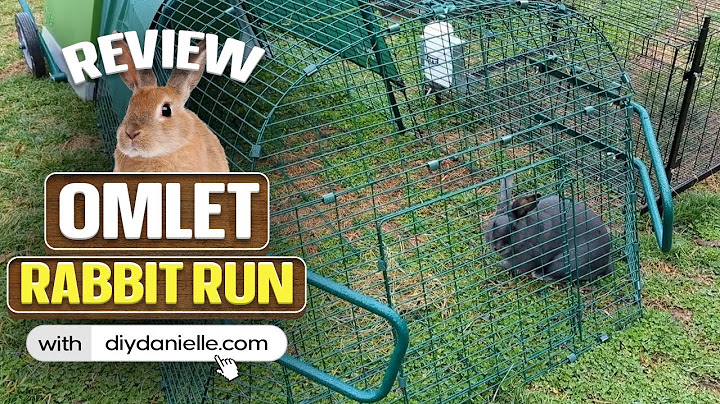
Rabbits are active at dawn and dusk, precisely when an owner may not be available to unlock a small enclosure. Welfare organizations including the RSPCA advise an attached exercise area available at all times. A traditional hutch may provide nesting and rest space, but its short footprint usually cannot support running, jumping, and choosing distance from companions. For an average rabbit pair, RWAF recommends an overall uninterrupted 3-by-2-meter living footprint with 1 meter of height, including shelter. These are welfare recommendations, not a universal building code. A hutch sold alone should be evaluated as one component of the housing system rather than the entire purchase.
Choose a dry shelter with real airflow
A roof should shed water away from walls and the entrance, and joints should not admit wind-driven rain. Raise wooden sleeping quarters off constantly wet ground where practical, while ensuring the rabbit can enter safely. Inspect the underside for rot and hidden damp patches. Ventilation matters even in cold weather; sealing every opening can trap humidity and unpleasant ammonia from urine. At the same time, a shelter should avoid direct drafts across the resting area. A removable panel or wide service door makes it easier to check bedding and clean corners. Do not assume a thin, decorative roof panel is durable in storms.
Protect rabbits from weather extremes
Outside temperatures change more quickly than indoor conditions, particularly in direct sun and in sheltered boxes with poor airflow. Provide permanent shaded options, fresh water, and a plan for moving rabbits to safer accommodation in extreme heat, cold, wind, or heavy rain. The RSPCA flags heat stress as a serious concern. A hutch's color, roof material, and orientation can change its internal temperature, so observe conditions at rabbit level rather than relying only on a weather app reading. Do not promise that one insulation product makes outdoor housing safe in every US climate. Monitor actual behavior, appetite, and activity, and seek veterinary help for suspected illness.
Think like a predator when checking doors
A strong-looking hutch may still have weak catches, thin mesh, or a roof panel that can be lifted. Inspect all connections, hinges, wire attachment points, and corners a predator could pull at. Choose fasteners that do not open after a push or rattle, and make sure humans can close them consistently. Keep the shelter away from obvious climbing or falling hazards and prevent dogs from repeatedly lunging at its walls. A hutch by itself should not be described as predator-proof; a complete secure run and surrounding risk management are required. For roof and perimeter design, see the outdoor rabbit enclosure article.
Practical comparison
| Hutch feature | Required question | Warning sign |
| Roof | Does rain run away? | Leaking seams |
| Airflow | Is air moving without draft? | Sealed damp box |
| Floor | Solid and cleanable? | Wire or soaked wood |
| Door and catch | Secure and easy to inspect? | Loose latch |
| Run connection | Constant safe access? | Hutch locked as sole home |
Provide safe flooring and bedding
Rabbit feet need a solid, dry, non-slip resting surface. Avoid exposed wire grids, splintered wood, and layers that trap wet waste. Choose absorbent bedding that can be changed easily, keep the toilet area manageable, and inspect joints for urine seepage. Weatherproof coatings or preservatives must not leave accessible toxic residues where rabbits chew. A removable floor tray may help cleaning, but sharp rails or pinching points create hazards. A hutch is a living environment, not a storage chest, so its interior should remain comfortable after the bedding and hiding area have been added.
Connect the shelter without creating a bottleneck
The door between hutch and run should permit a rabbit to pass comfortably and avoid a steep, slippery transition. Ramps require secure attachment and appropriate traction, especially when wet. If two rabbits share a setup, consider whether one can block the only passage and prevent the other from reaching hay or shelter. Provide duplicate resources if needed and multiple hiding locations. Check that a locked night door does not leave rabbits confined for most of their active period. An attached run is useful only when access is realistically safe and available, not when it is routinely disconnected for convenience.
Inspect for insects, dampness, and wear
Outdoor housing needs frequent checks for wet litter, spilled water, loose roofing, and openings chewed into wood. In warmer periods, soiling can attract flies; check rabbit hindquarters and seek urgent veterinary advice for signs of flystrike, particularly if the animal is unwell or unable to groom. Do not confuse spraying insecticide around a hutch with solving a sanitation issue. Replace damaged components rather than patching unsafe gaps with material a rabbit may eat. Drain standing water near the shelter and ensure cleaning does not leave the living area wet when rabbits return.
A responsible outdoor-hutch buying checklist
Ask how the hutch will be connected to a large enclosed exercise area, what happens in extreme weather, and who will inspect it each day. Look for accessible service doors, solid interior floors, reliable latches, shade, drainage, and suitable ventilation. Avoid buying from a product photo that shows only one rabbit sitting in a small sleeping compartment. Measure the entire proposed habitat rather than the hutch box alone. If you cannot create a secure, properly sized outdoor housing system, a spacious rabbit-proofed indoor arrangement may be the more realistic option.
Quick inspection checklist
Connect a secure run accessible throughout the day.
Check roof and joints after rainfall.
Provide shade, ventilation and fresh water.
Inspect hinges, mesh and fasteners.
Keep a plan for dangerous weather and veterinary emergencies.
Frequently asked questions
Can rabbits live in an outdoor hutch alone?
A hutch on its own generally cannot meet movement needs. It should form part of a large secure enclosure with permanent exercise access.
How do I keep a rabbit hutch dry?
Use sound roofing, drainage, appropriate elevation, dry bedding, and regular inspections after rain.
Is an outdoor rabbit hutch safe in summer?
Not automatically. Shade, airflow, water, monitoring, and a plan to move rabbits during dangerous heat are essential.
Do outdoor hutches need predator protection?
Yes. Inspect fasteners, mesh, roof, and the wider attached enclosure. Do not rely on an ordinary latch as a guarantee.
Should I close my rabbit in the hutch at night?
Permanent access to a secure large exercise area is preferable to routine long confinement; improve the whole enclosure security rather than relying on a tiny night box.