Pet Insurance for French Bulldogs: Coverage Checklist
Know what to check when insuring a French Bulldog, especially breed-related exclusions, waiting periods and limits.
Pet Insurance for French Bulldogs: Coverage Checklist
Pet insurance for a French bulldog should be evaluated against the breed's potential medical needs and the individual dog's documented history, not a generic 'best for Frenchies' label. Look closely at breathing-related conditions, spine and orthopedic coverage, hereditary exclusions, waiting periods and annual limits. A policy bought after symptoms appear may exclude that problem.
Why a French bulldog needs a careful policy review
French bulldogs can have breed-associated health vulnerabilities, but not every dog develops the same conditions. Insurance eligibility depends on the individual animal, medical record and policy definitions. An owner should discuss health concerns with a veterinarian, while asking the insurer whether relevant diagnostic tests, surgery or long-term treatment might be eligible if a new condition arises after coverage begins.
Do not rely on a marketing promise that a policy 'covers all breeds.' Coverage for hereditary or congenital issues may be restricted, and symptoms documented before enrollment can affect later claims. Obtain the state's specimen contract and assess it against the dog's existing history.
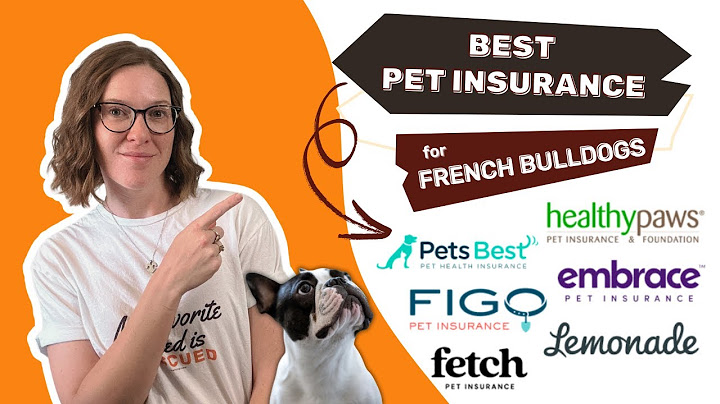
Respiratory care and medical necessity
In a breed with characteristic airway anatomy, owners may want to ask how the insurer treats respiratory diagnostics, emergency stabilization, surgery and follow-up care. A plan may distinguish treatment of a new eligible illness from correction of a pre-existing or elective concern. The wording and the timing of symptoms matter, and medical decisions should remain with the veterinarian.
Ask about specialist and anesthesia charges if the pet is referred for advanced care. Even a high annual limit does not make a condition eligible when it falls under an exclusion. Request written clarification for any prior breathing history.
Spinal, joint and other hereditary conditions
Review treatment for orthopedic injuries, intervertebral disk disease, congenital abnormalities and related rehabilitation when applicable to the policy. The insurer may have specific waiting periods or definitions covering musculoskeletal conditions. Some plans have rules for conditions affecting paired body parts. These details can be financially significant even if the premium difference between quotes seems small.
Do not assume that paying more guarantees treatment for a condition the dog already has. See the pre-existing-condition guide for the importance of veterinary history.
How to get meaningful comparisons
Enter the same age, ZIP, breed, deductible, reimbursement rate and annual benefit limit into each insurer's quote process. Ask for the policy document corresponding to your actual state and date. Compare examination fees, diagnostics, hospitalization, chronic-care continuation and any breed-related exclusions. A French bulldog quote can differ materially from a general dog average.
Use dog insurance quote as the input worksheet. Historical pet insurance prices provide market context but cannot substitute for current breed-specific quotes.
Questions to put in writing
Ask whether respiratory investigations and surgery are eligible for a newly arising covered condition, how hereditary or congenital issues are defined, whether orthopedic waiting periods apply, and if specialist fees need optional coverage. Clarify whether the insurer may request a previous vet's records and how an earlier clinical sign would be evaluated.
The useful answer is not a salesperson saying 'yes, respiratory care is covered.' It is the provision governing the type of treatment, the relevant waiting period and any exclusion that may apply.
Planning for noncovered care
Insurance is only one part of financial readiness. Keep an emergency reserve, understand the clinic's payment requirements and seek veterinary guidance on preventive care or when symptoms warrant evaluation. Budget for services outside the policy rather than treating reimbursement as automatic.
A well-chosen contract can reduce uncertainty for eligible future events; it cannot retrospectively insure a documented condition. The priority is a sustainable plan whose limits and restrictions you can explain in plain language.
The difference between future risk and an existing condition
A young French bulldog without a documented medical issue may have different insurance options from one already receiving care for recurring symptoms. Even if both animals are the same breed, the first pet's insurer may evaluate a future new diagnosis differently from the second pet's earlier history. No article can promise that a particular procedure or diagnosis is covered without reviewing those records and the policy language.
Ask the veterinarian what care considerations merit discussion, then separately ask the insurer how covered illnesses, hereditary issues and waiting periods are defined. Keep medical advice and insurance interpretation in their respective lanes. A more generous advertised annual maximum does not cure a contractual exclusion, and a low monthly quote does not reveal the full financial risk.
What to recheck before publication or purchase
Insurance availability, underwriting relationships, payment procedures and sales offers may change. Date each product statement and keep the exact policy version that supports it. Avoid carrying a historical launch announcement forward as proof that a plan is available everywhere today. If a provider changes administrators or marketing channels, establish which organization is legally responsible for the contract and where claims are handled.
A pet owner's best next step is to ask for an individual quote or written service-status confirmation, then preserve the response. An editor should follow the same discipline before publishing a definitive claim. This article is informational and does not stand in for veterinary treatment advice, individualized insurance advice, or the enforceable language of a policy.
Quick comparison checklist
| Item to verify | What to record before buying |
| Coverage | Accident-only versus accident-and-illness; riders |
| Payment | Premium, deductible, eligible-expense formula |
| Limits | Annual benefit maximum and sub-limits |
| Fine print | Waiting periods, exclusions and renewal rules |
Frequently asked questions
Is French bulldog insurance more expensive?
Breed can influence premiums, but price varies by age, ZIP, contract design and insurer; compare live quotes.
Are breathing-related problems covered?
It depends on diagnosis, timing, medical history and the policy’s hereditary or pre-existing-condition terms.
Will a policy pay for surgery already recommended?
A recommended treatment linked to a pre-existing history may be excluded; get written clarification.
Do spinal conditions have special limits?
Some insurers have orthopedic exclusions or waiting periods. Inspect the specific contract.
What is the best limit to choose?
There is no universal number. Compare large-bill exposure against premium and your emergency reserve.
Related guides
Explore the related resources: Best Pet Insurance. Each guide answers a different question and should not be treated as an insurer offer.