PetSafe Drinkwell Water Fountains: Choosing and Cleaning
Compare PetSafe Drinkwell fountain types using manufacturer documentation, including capacity, compatible filters, cleaning and dog suitability.
PetSafe Drinkwell Water Fountains: Choosing and Cleaning
PetSafe sells several pet fountains under the Drinkwell name. When researching a “PetSafe water fountain,” it is important to identify the exact model rather than assume that all Drinkwell products use the same pump, filter, capacity, or dishwasher instructions. PetSafe's support pages document distinct versions and replacement parts. This guide explains how to compare options and follow model-specific care without pretending that every model has been personally tested.
PetSafe and Drinkwell: what the names mean
PetSafe is the consumer pet-product brand, while Drinkwell identifies a line of circulating pet fountains. These are powered products that move water within a reservoir and drinking area. They are not necessarily automatic refillers: a fountain can circulate its stored water without adding new water as a dog drinks. Before comparing features, confirm the exact name and model number from the product page, manual, box, or unit label.
If you are still deciding whether moving water is suitable for your pet at all, start with our general dog fountain guide. A standard bowl is often sufficient and simpler to clean; a PetSafe fountain is an optional product type rather than a health requirement. For a reservoir that automatically tops up a drinking tray, review gravity and float waterers instead.
How to compare model capacity and drinking style
PetSafe's support catalog includes Drinkwell fountains identified by capacities such as one-half gallon, one gallon, and two gallons. These are product families, not interchangeable designs. Check the current specification sheet for each exact version: drinking surface height, exposed water access, bowl width, pump design, and whether a stream can be adjusted. A larger rated reservoir is not necessarily better if the dog struggles to reach the water or the unit is difficult to lift and wash.
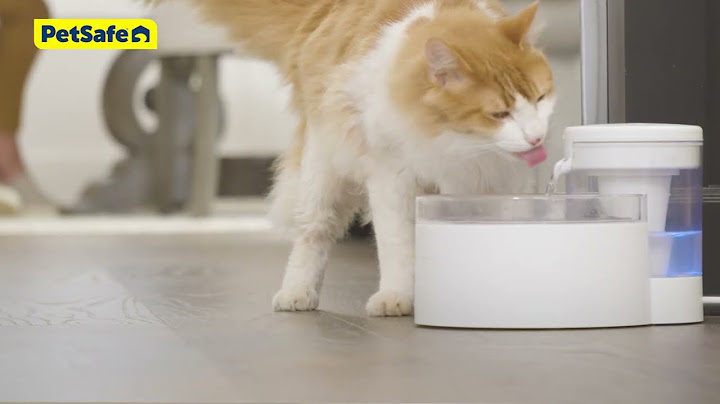
Consider the sound and direction of the flow. Some dogs like an exposed falling stream; others tolerate only a gentle surface circulation. Introduce the product gradually with a clean familiar bowl available beside it. Check whether a dog with a broad muzzle can drink comfortably and whether a small dog can reach the drinking area without awkward stretching. Do not infer compatibility from photos of a cat using a similar model.
Filters: carbon versus foam and what they do not do
Some Drinkwell designs use both carbon and foam components. Carbon filters are intended to address certain odor or taste issues, while foam may help intercept hair or larger debris before it enters the pump. Neither makes pet water sterile or removes the need to replace old water. Filters must match the precise model; even similarly named fountains may have different dimensions or housings.
For its one-half, one-, and two-gallon support family, PetSafe instructs owners to replace carbon filters every two to four weeks and foam filters about every one to two months. Those intervals belong to that documented family and should not be applied blindly to every Drinkwell model. Read the current guide that accompanies the specific fountain and adjust maintenance if a pet has heavy shedding or debris accumulates quickly.
A model-specific cleaning sequence
Before cleaning, unplug the adapter and separate the pump from power. Empty the reservoir. Remove lids, towers, filter housings, and other detachable water-contact components exactly as the manual instructs. Wash compatible plastic parts with mild soap and water; PetSafe states some parts from its half-, one-, and two-gallon designs can be placed on the top dishwasher rack. The pump, power adapter, and filters must not go into the dishwasher.
Take the pump apart if the manual specifies it. Clean the impeller area and narrow crevices where film and mineral buildup can reduce flow. Rinse thoroughly, reinstall components correctly, and prime the fountain as directed before reconnecting power. Do not assume a quick rinse of the visible bowl is adequate. The CDC's general water-bowl guidance favors daily cleaning of exposed drinking vessels; follow model-specific instructions for deeper full-system disassembly and wash sooner whenever the surface is visibly dirty.
Troubleshooting reduced flow or unusual noise
Low flow can reflect insufficient water, a blocked filter, debris around the impeller, or a setting that needs adjustment. Unplug the fountain before examining any electrical or moving component. Check the manufacturer's troubleshooting instructions for your exact model, clean the relevant parts, and do not run a pump dry. If water is leaking, verify that parts and seals are correctly seated; stop using the unit until the issue is resolved.
Noise alone does not establish a defective product. Vibrations can come from a tilted surface, low water, or an obstructed pump. However, do not continue operation if electrical damage, overheating, or a persistent mechanical fault is suspected. Offer water in an ordinary clean dog bowl while troubleshooting; keeping a backup makes maintenance less disruptive for the animal.
What to verify before purchasing a Drinkwell fountain
Write down the exact model number, confirmed capacity, intended pet sizes, product material, filter type, pump replacement reference, cleaning procedure, and warranty terms from the current official documentation. Confirm spare parts are sold in your region and that costs are acceptable over time. Avoid unverified claims about model rankings, quietness, prices, or the longevity of replacement pumps. Different rooms and dogs may produce very different experiences.
A final setup check should include a dry stable location, a protected cord, a comfortable drinking height, and enough access for frequent cleaning. Introduce the device gradually, maintain fresh water every day, and keep an alternate bowl available. A product is a good fit when the dog uses it readily and the owner can maintain it consistently—not because a promotional title calls it the best fountain.