Belgian Blue Cattle: Muscling, Breed Traits, and Welfare Issues
Belgian Blue Cattle. Define Belgian Blue double-muscling and calving/welfare.
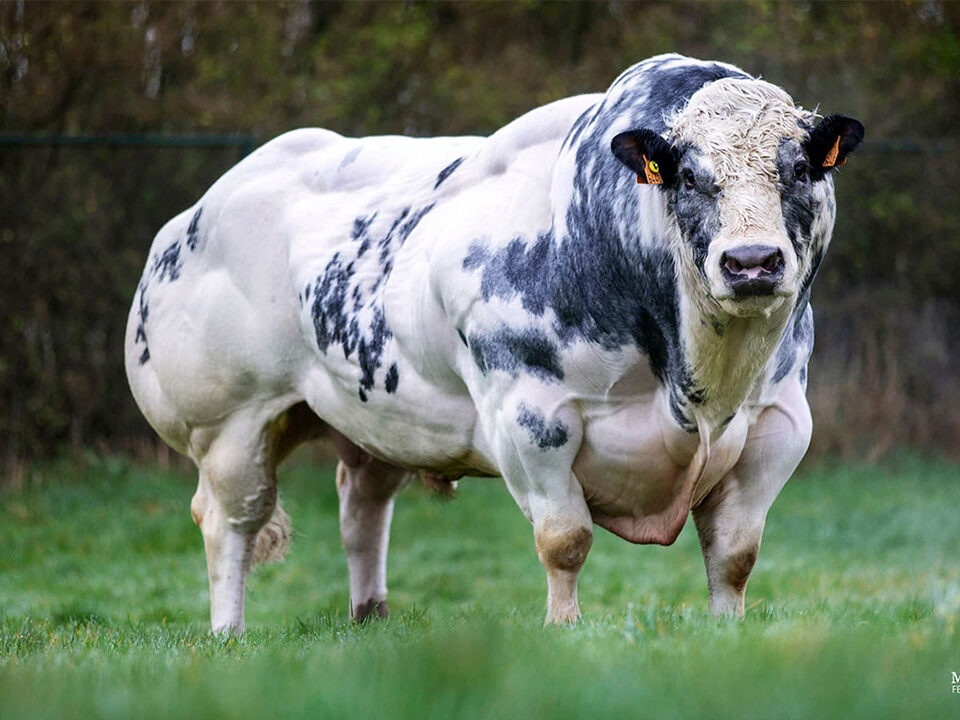
Belgian Blue Cattle: Muscling, Breed Traits, and Welfare Issues
Belgian Blue cattle are famous for unusually pronounced muscle development, sometimes described as double muscling.
A distinctive cattle breed
This results largely from a mutation affecting myostatin, a protein involved in limiting muscle growth. The appearance is a heritable biological trait, not simply the result of extra exercise or feeding.
What double muscling changes
Reduced myostatin activity can increase muscle mass and influence body composition. Animals can have broad shoulders and hindquarters, and some lines are selected intensively for carcass traits. Individual appearance still varies, so pictures of extreme examples do not represent every Belgian Blue animal.
Calving is a major welfare issue
Strong selection for muscularity can increase calving difficulty, and some breeding programs have relied heavily on planned cesarean deliveries. That raises important questions about maternal welfare, veterinary access, and breeding priorities. It is inaccurate to treat calving difficulty as a harmless aesthetic side effect.
Responsible comparisons
Belgian Blue is not synonymous with every heavily muscled cow. Breeds differ genetically and by management system. When comparing Belgian Blue to Charolais or Simmental, consider mature size, calving outcomes, herd health, and the ethical implications of breeding rather than only visual muscle definition.
What a striking photograph leaves out
An extremely muscular animal may attract attention online, but a responsible breed profile must also address welfare outcomes. In intensely selected double-muscled lines, mating decisions and calving procedures can require substantial veterinary planning. The genetic mechanism behind the appearance is well characterized, yet breeding for muscle mass has consequences beyond appearance. Readers comparing breeds should consider how selection affects mothers, newborn calves, mobility, and the practical capacity of farms to provide care.
Reading breed and husbandry claims carefully
Breed names describe ancestry or selection history, not a promise about any individual animal. Climate, nutrition, breeding values, health, and handling influence outcomes. Where a practice affects animal health or reproductive welfare, consult a veterinarian or qualified extension specialist rather than using a general explainer as a protocol.
Separating biology from management decisions
A breed description, sex term, or production concept is not a substitute for a farm-specific plan. Genetics, age, body condition, feeding, climate, and welfare standards can alter outcomes. Measurements and records are more informative than dramatic photographs or an isolated claim about performance. Whenever a decision may involve surgery, reproductive intervention, milk handling, or a sick animal, seek a qualified veterinarian or extension professional and use current official guidance.
Frequently asked question
Why are Belgian Blue cattle so muscular?
A genetic change affecting myostatin contributes to their characteristic double-muscling trait.
Related guides
Simmental Cattle • Cow and Calf • How Dairy Animals Are Milked
