Segmented Worms (Annelids): Types, Anatomy, and Habitats
Annelid segments, major groups, burrowing, marine and freshwater roles.
Segmented Worms (Annelids): Types, Anatomy, and Habitats
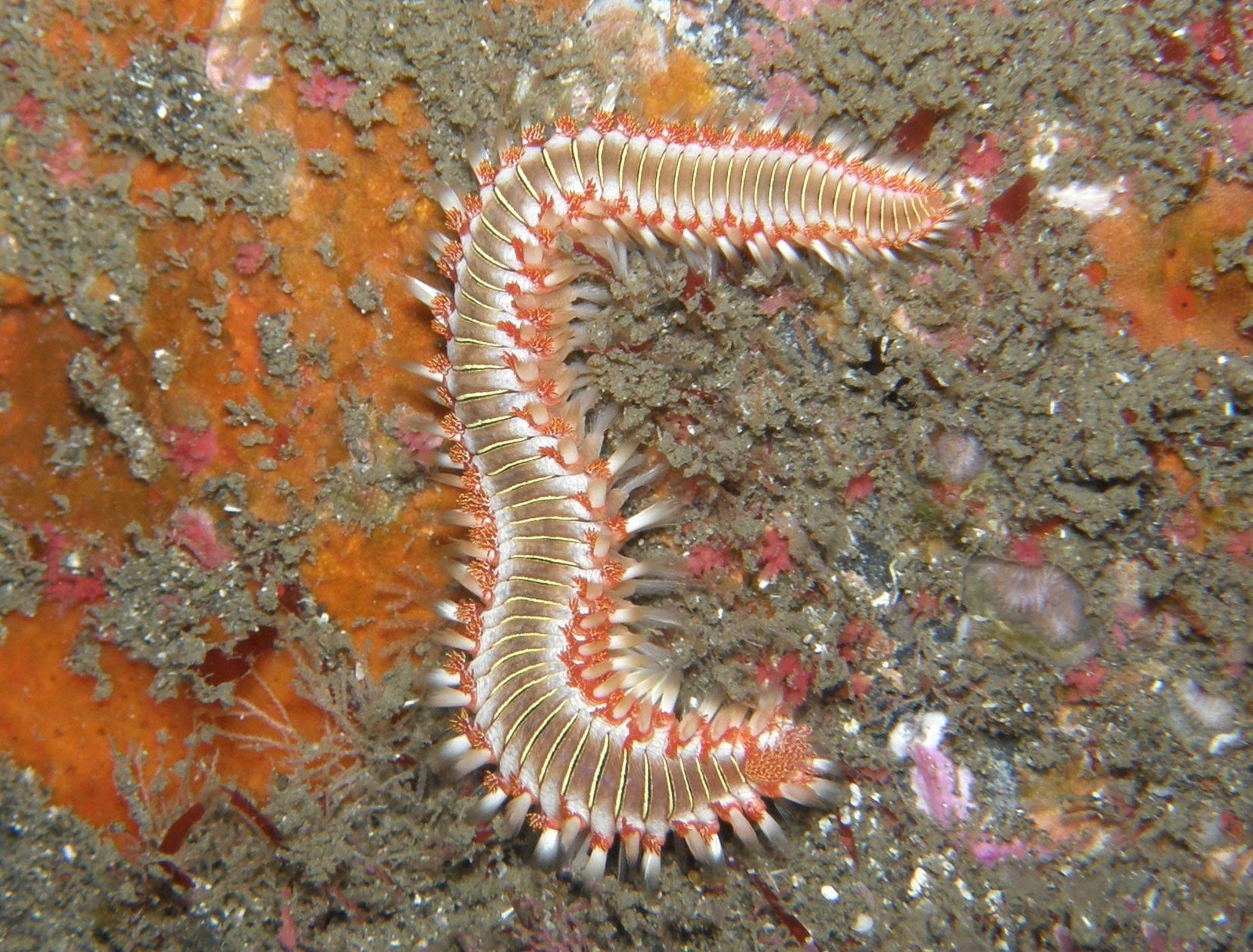
Segmented worms belong chiefly to the annelid lineage, which includes earthworms, leeches and many marine bristle worms. Understanding its body plan, habitat and feeding role is more useful than relying on a common name.
How to identify and classify it
Their repeated body units are a defining feature.
Invertebrates are extraordinarily diverse, so shared appearance does not guarantee close ancestry. Legs, body segments, feeding parts and modern taxonomic evidence often settle an identification more effectively than color.
Where it is found
Annelids inhabit soil, freshwater, intertidal areas and deep seas. Different groups have very different oxygen and moisture needs.
Tiny shifts in moisture, substrate or shelter can change an invertebrate community markedly.
What it eats and its ecosystem role
Earthworms process organic matter; many marine annelids filter, graze or hunt. The group's ecological functions cannot be reduced to soil aeration alone.
Feeding categories are descriptive. An animal may play several roles over the course of its life.
Reproduction and special adaptations
Their movement uses muscles, hydrostatic support and, in some groups, bristles. Reproductive patterns range widely across species.
Life cycles differ substantially among groups; examples need to be labeled with their own taxonomic scope.
Common mistakes and safety
Their repeated body units are a defining feature.
For safety and conservation, observe unfamiliar animals without handling them. Scientific claims about stings, toxins or pathogens should be tied to a known species and reliable source.
The word worm describes body shape more than ancestry. Compare annelids with nematodes and flatworms to see why visible segments and internal anatomy are essential to classification.
How scientists study this group
Anatomical terms help more than vague resemblance: count body regions, look at appendages and compare modern group descriptions. Wildlife safety and scientific classification are separate questions. Do not infer that an unfamiliar animal is safe to touch.
Photograph unfamiliar invertebrates in place instead of handling them, especially where venom, parasites or protected species may be involved.
Quick takeaways
Annelids inhabit soil, freshwater, intertidal areas and deep seas.
Earthworms process organic matter; many marine annelids filter, graze or hunt.
An earthworm is an annelid, but a roundworm is not.
Frequently asked questions
What is Segmented Worms (Annelids)?
Segmented worms belong chiefly to the annelid lineage, which includes earthworms, leeches and many marine bristle worms.
Where is it found?
Annelids inhabit soil, freshwater, intertidal areas and deep seas.
What does it eat or how does it feed?
Earthworms process organic matter; many marine annelids filter, graze or hunt.
