What Time Does It Get Dark? Sunset vs. Civil Twilight
Understand when it starts getting dark, the difference between sunset and twilight, and how to check tonight’s local times.
What Time Does It Get Dark? Sunset vs. Civil Twilight
Focus keyword: what time does it get dark | Editorial gate: REVIEW_EDUCATIONAL
It gets dark gradually after sunset rather than at one universal clock time. For practical outdoor activity, the end of evening civil twilight is often more informative than the moment of sunset. Complete astronomical darkness generally arrives later, and local lighting, cloud cover and obstructions change how dark a place feels.
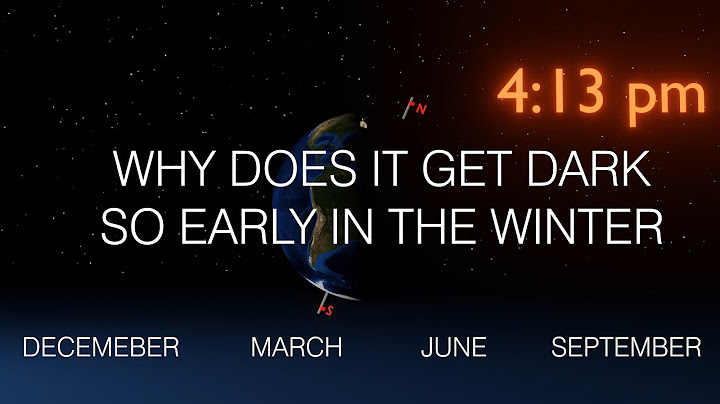
Three useful meanings of “dark”
| Stage | Sun below horizon | What it suggests |
| Civil twilight | 0° to about 6° | Enough natural light may remain for many everyday activities. |
| Nautical twilight | About 6° to 12° | The horizon becomes difficult to distinguish under good conditions. |
| Astronomical twilight | About 12° to 18° | Residual sunlight diminishes further; faint objects become easier to observe. |
The angle is measured for the Sun’s center. These ranges describe standardized astronomical intervals, not a guarantee that a street, trail or waterfront will be easy to see. A high-rise skyline, steep valley wall or dense tree cover can hide direct sunlight before the calculated sunset. Artificial lights can keep a city looking bright after the sky darkens.
Why sunset is not the same as nightfall
An observer can watch the Sun disappear and still see an illuminated sky. Sunlight scatters through the atmosphere while the Sun is below the horizon; blue and orange tones can linger, followed by a dimmer twilight sky. The boundary between sunset and “dark enough” depends on what you plan to do: a skyline photograph, a walk home and stargazing require different light conditions.
For a sunset photograph, the minutes just before and after sunset can be valuable. If a trip requires visibility on an unlit trail, do not use sunset as your deadline for needing a flashlight. Allow a safety buffer and consider weather, terrain and your pace.
Why the answer changes by season and latitude
Latitude and season influence both sunset time and the length of twilight. At high latitudes in summer, twilight can be exceptionally prolonged and darkness may not occur in the same way it does nearer the equator. In winter, short daylight periods may make early evening feel like night. Cloudy weather can make the ground look darker before civil twilight ends, but clouds do not alter the underlying solar-event calculation.
How to check what time it gets dark tonight
Look up the end of evening civil twilight for your city and today’s date in an authoritative astronomical calculator. Use the local time zone and daylight-saving setting for that date. If you need genuinely dark astronomical skies, locate the end of astronomical twilight instead; also check the Moon, haze and city lights. U.S. Naval Observatory data can provide civil twilight times, and NOAA explains the distinct definitions.
Beware of search snippets that display “sunset at 6:30” without a date or place. A generic number cannot answer a location-specific question. On November 1, 2026, many U.S. clocks also shifted back an hour; an evening that suddenly appears earlier on the clock is not necessarily the result of a sudden one-hour astronomical change.
Related: How to check sunrise and sunset by location
Related: Why darkness starts earlier in fall
A practical evening-planning example
Imagine two people asking when it gets dark after a city sunset. One is photographing a skyline from a public promenade; the other is returning from an unlit hillside. Both begin with the same astronomical sunset but need different schedules. The photographer might want the colorful sky during civil twilight, whereas the hiker should plan to reach a safe, well-lit route before their visibility becomes poor. Neither can responsibly use a single national dusk time.
A weather forecast can help with perceived darkness without changing the official event time: dense low clouds can block sky glow, while a clear evening and a bright Moon can make outdoor surroundings easier to see later. Street lamps introduce another independent variable. To communicate accurately, publish sunset, civil twilight end and, where relevant, astronomical twilight end as separately labeled fields; avoid presenting one of them as an unqualified “dark” number.
Frequently asked questions
How long after sunset does it get dark?
There is no fixed duration for every place and date. The best reference depends on whether you mean the end of civil twilight or the end of astronomical twilight.
Does it get dark at sunset?
Not completely. Sunset marks the Sun leaving the ideal horizon; evening twilight continues.
Does a cloudy day make sunset happen sooner?
No. Clouds can make the scene look darker, but the astronomical sunset event is calculated from the Sun’s position.
Editorial references (not outbound hyperlinks): U.S. Naval Observatory rise/set and twilight data; NOAA solar calculator glossary; NIST U.S. daylight saving rules. Verify any dynamic values again before publishing.