Terrarium Plants: Choosing Species for Open and Closed Containers
Compare closed terrarium plants with open-container choices, learn how to match humidity and light, and avoid assuming every plant is reptile-safe.
Terrarium Plants: Choosing Species for Open and Closed Containers
Terrarium plants should be chosen for the container's light, moisture and airflow, not only their leaf patterns. A closed bottle garden favors small species that enjoy a consistently humid atmosphere. An open terrarium gives you more freedom to grow plants that prefer drier air. If an animal will live among the plants, toxicity, pesticide exposure and the animal's behavior require another layer of screening.
Match closed or open first In a closed terrarium, water evaporates from substrate and leaves, condenses on glass and returns to the rooting medium. The Royal Horticultural Society recommends small, slow-growing moisture-loving plants for this environment. Miniature ferns, some fittonias and suitably small mosses can work when their needs align. A 'mini' plant from a store may eventually outgrow the jar, so read the mature size rather than trusting the sales pot.
Open containers dry out faster and exchange air more freely. They are often better for succulents and cacti than sealed jars, provided the light and drainage are appropriate. However, placing sun-loving succulents in a narrow shaded jar merely because it is open can still produce weak, stretched growth. Think about the entire location, not just the lid.
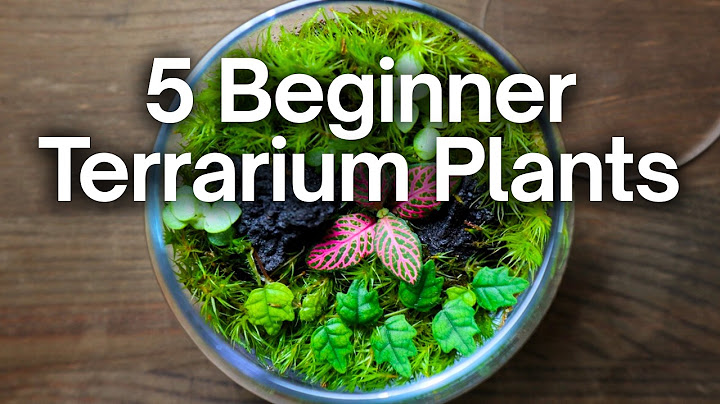
Light and heat inside glass Place closed tropical gardens in bright indirect light rather than hot direct sun. Clear glass can trap damaging heat on a sunny sill, especially in summer. A small grow light can help in a dim room, but monitor leaf condition and follow the lamp's placement guidance. Browning at the tips, bleaching or drooping can indicate unsuitable conditions, though symptoms may have multiple causes.
Plants also have different tolerances for wet roots. Ferns that like humid air may still suffer in stagnant soil. Avoid crowding every visible inch: foliage needs enough air circulation and room to grow. Leave a clear observation line so you can identify root problems, decaying leaves and pests.
Choose combinations, not unrelated favorites Pair plants that need similar moisture, light and growth rates. Fast vines can smother a tiny moss cushion or shade miniature fittonias; tall specimens may push against the lid in weeks. Start with fewer plants than the container appears able to hold, because they need room to establish. If combining plants with stones and wood, clean the materials and avoid treated landscaping products.
In humid jars, small leaf litter fragments and dead leaves can break down, but excessive rot is not a sign of ecological success. Trim before growth blocks all of the glass. Do not make a mystery chemical spray your first response to mold; remove affected debris and reassess excess water and airflow.
Animal enclosures require a separate safety check A terrarium plant safe for human indoor decoration is not automatically suitable for a gecko, snake or frog. Verify species identification, toxicity, sharp leaf edges, root durability and any pesticide treatment history. Wash and quarantine nursery plants following appropriate husbandry practices. Some animals climb on broad leaves or dig into roots, which can quickly damage a delicate display.
A crested gecko vivarium, for instance, also needs sturdy branches and appropriate humidity cycles; plants alone do not create a safe climbing route. A dry bearded dragon habitat presents a very different horticultural challenge. Never assume that a plant list for closed jars is a reptile feeding or housing recommendation.
Water by observing the substrate A closed jar may need very little added water after establishment, whereas an open arrangement may need periodic careful watering. When glass is constantly fogged and soil looks wet for days, opening the container briefly and reassessing water quantity may help, depending on the plants. If the substrate is bone dry and leaves are wilting, investigate water availability. Aim for compatible growth conditions rather than a weekly watering rule imposed on every jar.
Explore related terrarium guides
Related reading: How to Make a Terrarium: Step-by-Step Plant Jar.
Related reading: Bioactive Terrarium Setup: A Species-First Guide.
Frequently asked questions
What grows well in a closed terrarium?
Small, slow-growing humidity-loving foliage and some miniature ferns or mosses may work if light and root conditions match.
Can succulents grow in sealed jars?
Most prefer a drier, more ventilated arrangement; permanently damp closed jars are often unsuitable.
Do terrarium plants need direct sun?
Many closed-jungle plants prefer bright indirect light; glass in direct sun can overheat.
Are houseplants automatically safe for pet vivariums?
No. Check plant identity, toxicology, pesticide history and the specific animal.
How often should I water a closed terrarium?
Use observed soil and condensation conditions rather than a rigid weekly schedule; established closed jars often need little added water.