How to Make a Terrarium: A Simple Plant-Only Project
Build a plant terrarium in a suitable container with plant-safe materials, matching light and moisture for open or closed displays.
How to Make a Terrarium: A Simple Plant-Only Project
You can make a simple plant terrarium by placing compatible miniature plants in a clean open or closed glass container with suitable rooting medium and careful moisture control. This is an indoor gardening project, not a complete enclosure for reptiles, frogs or other pets. Choose the plants and container together before adding decorative layers.
Step 1: Pick an open or closed container Use a clear jar with a lid for small tropical plants that like humid air, or an open container for plants that need more airflow. The Royal Horticultural Society describes sealed bottle gardens as suitable for slow-growing humidity-loving foliage, while open terrariums may suit drier plants. A narrow opening can make planting and pruning difficult, so start with a container you can reach into safely.
Wash the container and rinse it thoroughly, then check for cracks and sharp edges. Avoid containers previously used for harsh chemicals. Do not reuse a heat-damaged glass vessel or put a sealed jar into intense direct sun. Glass can become unexpectedly hot on a sunny windowsill.
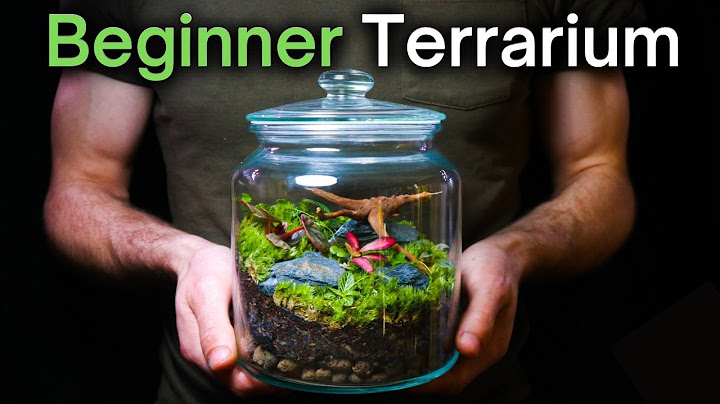
Step 2: Match plants with similar needs Select two or three small plants rather than filling the jar with unrelated species. Miniature ferns, fittonia and small mosses may suit humid closed projects when light and moisture needs align. For open containers, consider species that tolerate freer air exchange. Many succulents dislike being sealed in a constantly humid jar, despite popular craft photos.
Research mature plant size. The smallest houseplant in a store may be a juvenile of a species that eventually grows much larger. Remove dead leaves before planting and inspect roots for pests. Leave enough space for future growth and easy maintenance.
Step 3: Prepare layers and keep the scale modest Some terrariums use a thin layer of washed gravel or expanded clay below rooting medium, particularly where no drainage hole exists. This may provide space for excess moisture but does not magically prevent overwatering. Add a clean rooting mix suited to the selected plants, with enough depth for roots without using most of the jar for soil. Avoid unnecessary fertilizer pellets and unknown decorative dyes.
Arrange stable stones or small pieces of clean wood before inserting delicate plants. Keep sharp decorations away from leaves and glass. When arranging moss, avoid burying its growing surface under deep soil. The aim is a workable mini landscape, not a display so crowded that you cannot see soil condition.
Step 4: Plant and water gently Make small holes, settle each plant at its normal root depth, then tuck medium around it without crushing stems. Remove soil from the inner glass with a clean brush. Add a modest amount of water to settle the roots rather than saturating the entire vessel. In a closed jar, you can always adjust moisture later; extracting excessive water is much harder.
Place the finished terrarium in bright, indirect light. Do not judge water needs only by a photograph of condensation. Some morning fogging may be normal in a closed jar; persistent heavy droplets, yellowing leaves and sour-smelling soil suggest the need to reassess watering and airflow.
Step 5: Maintain the miniature garden Watch for wilted leaves, rotting stems, pests and crowded growth. Remove fallen leaves that are decaying faster than the system can handle, trim plants before they press against the lid and occasionally rotate a jar if light comes from one side. Closed terrariums often need much less watering than ordinary houseplants; open containers generally need more monitoring.
If mold appears, remove the affected debris and check whether the container is too wet or crowded. A little biological activity is not unusual, but widespread growth or bad odor is not something to ignore. Clean tools and plant selection usually matter more than adding fashionable layers.
Why this is not a reptile setup A decorative bottle garden lacks the ventilation, secure access, heat gradients, measured UVB, water and hygiene facilities a live animal may need. Never add a gecko or frog because the jar looks like a tiny rainforest. Start a separate species-first vivarium plan if you want an animal habitat.
Explore related terrarium guides
Related reading: Terrarium Plants: Best Choices for Open and Closed.
Related reading: Terrarium Kits: Plant Jar vs Reptile Habitat.
Related reading: Bioactive Terrarium Setup: A Species-First Guide.
Frequently asked questions
Should a beginner make an open or closed terrarium?
Choose based on plant needs: humid tropical foliage often suits closed jars, while drought-adapted plants generally need airflow.
Why is there condensation on my jar?
Moisture circulates inside a closed container; heavy persistent droplets may indicate excessive wetness.
Does a terrarium need drainage stones?
Some designs use a small layer, but it never replaces careful watering.
Can I place my terrarium in full sun?
Avoid direct sun on closed glass jars because temperatures can rise rapidly.
Can I keep a gecko in the finished jar?
No. This plant-only project does not provide a safe reptile habitat.