Tilefish: Species, Deep-Water Habitat, and Food Web Role
Tilefish. Explain tilefish burrows, habitat, species differences and species-specific seafood mercury.
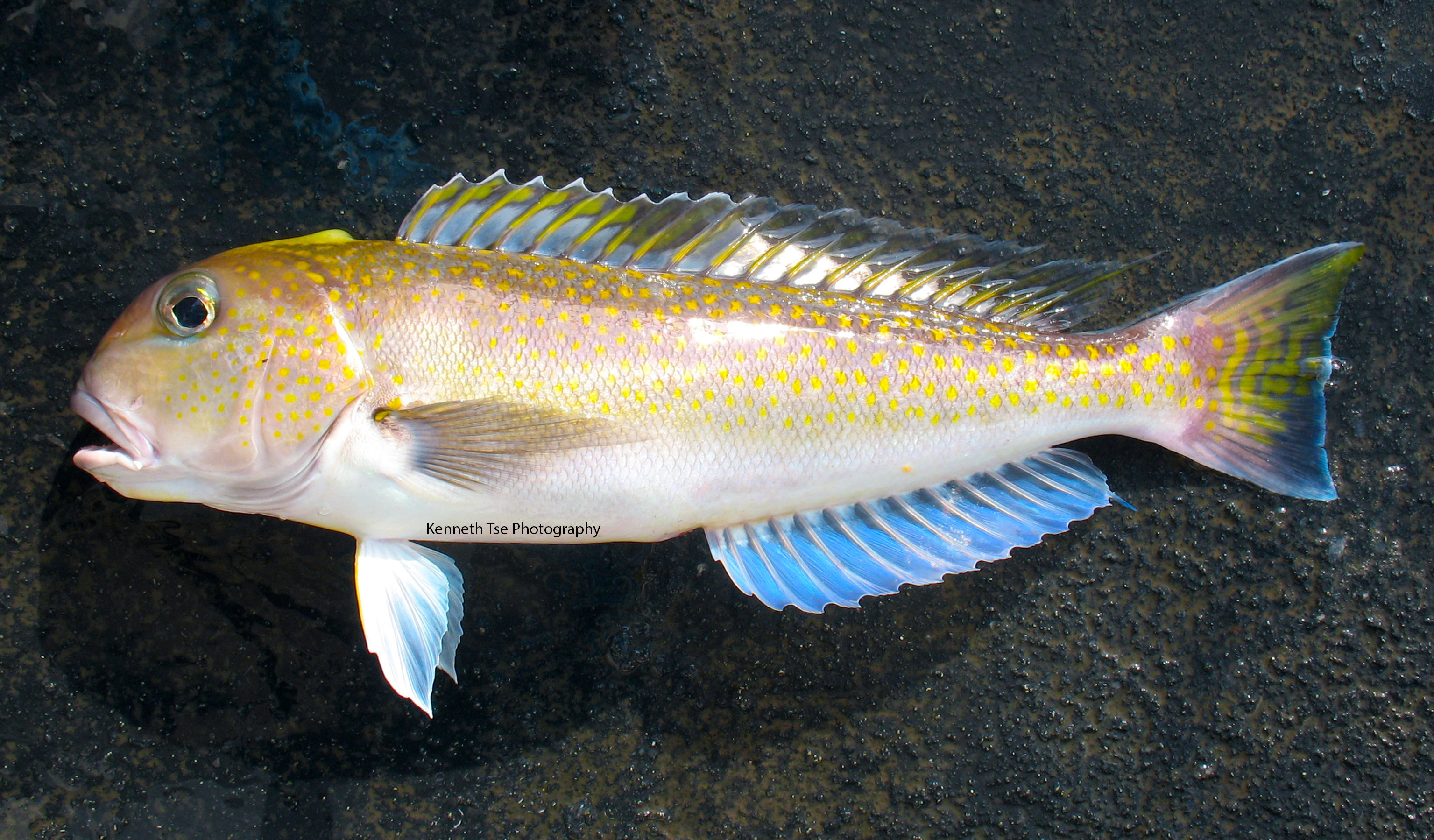
Tilefish: Species, Deep-Water Habitat, and Food Web Role
Tilefish are marine fishes of the family Malacanthidae.
What “tilefish” means
In US seafood discussions the term often points to golden tilefish, but it can also refer to other species such as blueline tilefish. Accurate identification matters because their ranges, habitats, and fishery regulations are not identical.
Life around the seafloor
Many tilefish occupy sandy, muddy, or rubble-covered bottoms on the continental shelf or upper slope. Some build or maintain burrows that provide refuge from predators and strong currents. They take bottom-associated crustaceans, mollusks, and small fishes, linking sediment habitats with larger marine food webs.
Burrows and reproduction
A burrow is not just a hiding place; its opening can structure the surrounding habitat and attract other animals. Tilefish biology varies by species, and growth and reproduction may be affected by local temperature and fishing pressure. Do not transfer the life-history figures of golden tilefish to all tilefishes.
Seafood safety deserves its own check
US fish-consumption advice distinguishes several tilefish sources. The FDA and EPA advise avoiding tilefish from the Gulf of Mexico for people who are pregnant or may become pregnant and for young children because of mercury concerns. Do not assume all tilefish carry the same advisory; verify species and origin.
A seafood label can change the answer
The word tilefish on a market label may conceal differences in species, catch region, and applicable advisories. For example, federal mercury advice distinguishes Atlantic tilefish from Gulf of Mexico tilefish. A consumer should check the product’s source rather than relying on the appearance of a cooked fillet. Meanwhile, an angler checking conservation rules needs the precise fishery, season, and species. Neither mercury guidance nor harvest regulations can be inferred from a general discussion of tilefish burrows.
Observe the habitat, not just the name
A reliable identification should combine the animal’s range, habitat, appearance, and behavior. A common name or single photograph may hide several similar species. Water temperature, depth, and season can also change what an observer finds. For information about conservation or harvest rules, consult the authority responsible for the specific species and area.
Putting scientific names and ranges in context
Marine populations can move, change with ocean temperature, or contain closely related species that are hard to tell apart. When an article describes a habitat or food-web role, treat it as a typical pattern rather than a promise about every individual. Conservation and seafood guidance are also distinct: a species can have biological importance while regional fishing rules and consumption advisories vary independently. Check the latest species-specific agency material before acting on either.
Frequently asked question
Is all tilefish equally high in mercury?
No. US fish-consumption guidance distinguishes tilefish from the Gulf of Mexico from Atlantic tilefish.
