Tortie Cat Personality: What Science Says About Tortitude
Explore tortie cat personality claims, what research really says about tortitude, and practical ways to understand your individual cat.
Tortie Cat Personality: What Science Says About Tortitude
People often describe a tortie cat personality as bold, vocal, stubborn, affectionate, or full of 'tortitude.' Those stories are part of the fun of living with cats, but they should not become a prediction about every tortoiseshell cat. The tortie pattern is inherited pigmentation; personality develops through many influences. The most useful answer is that a tortie's behavior should be assessed individually, with attention to the quality and limits of the evidence linking coat color to behavior.
What does “tortitude” mean?
Tortitude is a nickname for the supposed big personality of tortoiseshell cats. Owners use it for behavior such as insisting on a particular chair, meowing for attention, resisting an unwanted cuddle, or enthusiastically chasing a toy. It is descriptive slang, not a veterinary diagnosis and not a recognized temperament class. A cat who confidently communicates preferences can be delightful, but that same behavior may be reported in cats of every color.
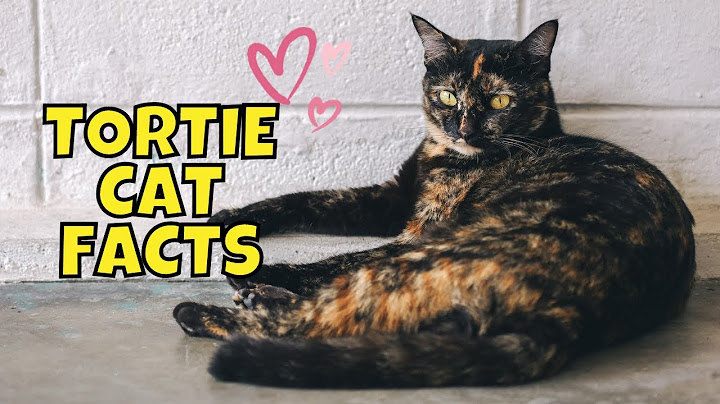
Online stories are often memorable because the cat acts like the stereotype. Quiet torties receive less attention, creating an uneven collection of examples. A funny anecdote can be worth sharing without turning it into a universal biological law.
What studies have investigated cat color and behavior?
A widely discussed University of California, Davis study collected owner reports about coat colors and aggressive behaviors, including responses in situations such as handling or veterinary visits. Some differences appeared in those self-reported data. However, survey associations cannot establish that a coat pattern causes a behavior, and the research did not justify labeling individual tortoiseshell cats as aggressive.
An owner who expects tortitude may notice or describe normal feline boundaries differently from an owner who does not recognize the term. Breed background, prior handling, and the circumstances of each reported interaction also matter. The responsible conclusion is nuanced: researchers have studied possible associations, but coat color is not a dependable personality test for an individual cat.
Why an individual tortie may be vocal or reactive
A tortie who vocalizes when a door closes may be seeking play, food, access, or contact. Another cat may vocalize because of discomfort. Swatting during grooming can mean the session went too long, the brush pulled at a mat, or the cat does not feel safe. These are context questions, not color questions.
Watch for patterns: what happened immediately before the behavior, what the cat did, and what changed afterward? Keep a simple log of time, setting, body language, and any change in appetite or litter habits. If a previously relaxed cat becomes suddenly defensive, arrange veterinary advice before assuming a stubborn personality.
What shapes a cat’s temperament besides coat color?
Early social experiences, inherited predispositions, age, pain, the predictability of the home, available resources, and the owner's interaction style can affect behavior. A kitten that receives gentle, positive handling may grow more comfortable with people, while an adult cat introduced to a busy home may need additional adjustment time. Even two littermates with similar coats can show different preferences.
Some cats enjoy being picked up; others prefer to sit near their person without direct contact. Neither response proves that the cat is affectionate or unaffectionate in general. Let the cat initiate some interactions and learn which behaviors mean 'continue' or 'please stop' for that specific animal.
How to help a confident tortie feel secure
Offer predictable feeding and play times, comfortable hiding spots, elevated resting places, sturdy scratching posts, and access to clean litter boxes. For multi-cat homes, distribute important resources so one cat cannot easily block another's access. Use reward-based training and short play sessions rather than punishment. A wand toy can help a cat practice hunting behaviors without encouraging biting human hands.
During grooming, begin with gentle, brief sessions and reward calm participation. If the cat pulls away, stop before escalating. Handling a cat on its terms generally gives a better result than trying to dominate a so-called 'sassy' cat. A qualified feline behavior professional can help with persistent fear, tension, or aggression.
How to evaluate personality before adoption
Ask the shelter or foster caregiver what the individual cat does when approached, whether it enjoys interactive play, how it responds to other animals, and whether it tolerates routine handling. A foster report from several weeks can be more informative than a five-minute meeting in a stressful shelter environment. Ask what situations help the cat relax and what seems overwhelming.
For a kitten, ask about the history of early socialization, then expect temperament to continue developing. For an adult, learn how long the animal has been in its current environment. Choose a cat whose observed needs fit your household rather than rejecting or preferring the animal solely because a listing uses the word 'tortie.'
Frequently asked questions
Are tortie cats more aggressive?
There is no dependable evidence that a specific tortie is more aggressive simply because of its coat color.
Is tortitude real?
It is a popular nickname for owner-observed behavior, not a proven universal temperament type.
Are tortoiseshell cats affectionate?
Many are, but affection and preferred ways of interacting vary from cat to cat.
Do dilute torties act differently?
Dilution changes pigment appearance; it is not a reliable guide to personality.
What should I do if my tortie suddenly bites?
Consider context and possible pain. Sudden or escalating behavior changes warrant veterinary assessment.
Related tortoiseshell cat guides
Continue with these closely related guides, each covering a separate question: