Tortie Cats: What Makes a Tortoiseshell Coat?
Learn what makes a tortie cat, how its coat colors develop, and how tortoiseshell cats differ from calicos and other patterned cats.
Tortie Cats: What Makes a Tortoiseshell Coat?
A tortie cat is a cat with a tortoiseshell coat pattern, usually a mixture of black or dark brown and orange or red. The colors may appear as tiny interwoven flecks, larger patches, or an almost black coat with flashes of red. Tortoiseshell describes the fur, not the cat's breed, size, or personality. A tortie can be a mixed-breed house cat or a pedigreed cat whose breed allows the pattern. Here's how to recognize the coat and what its genetics actually tell you.
What does a tortoiseshell cat look like?
Look for two contrasting color families on the same coat: dark black-brown areas and orange-red areas. On some torties, the hairs are finely blended, creating a marbled or brindled effect. On others, a clear orange patch sits beside a black patch. The face can appear divided into two colors, but a split face is not required. There is no standard pattern that every tortie must match.
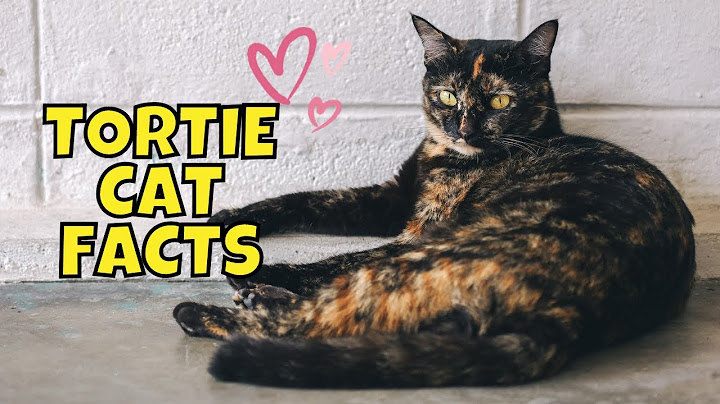
Coat length, ear shape, tail length, and eye color vary. Some tortoiseshell cats have substantial white fur; color terms used for those cats differ among cat registries. Instead of relying on a social-media label alone, look at the complete coat, particularly the amount of white and whether the dark areas are solid or striped.
Tortie is a pattern, not a cat breed
A label such as 'tortie breed' can be misleading. A tortoiseshell coat can appear in domestic shorthairs, domestic longhairs, and numerous established breeds. Two torties may have entirely different body shapes, energy levels, coat care needs, and hereditary risk profiles. Those differences come from their breed background, age, environment, and individual characteristics rather than from the coat pattern.
If an adoption listing says only 'tortoiseshell,' assume it describes appearance unless the rescue also documents the cat's breed. Long fur does not automatically make a cat a Persian, and a large fluffy tortie is not automatically a Maine Coon. Breed identification should use reliable registration or known parentage when available.
Why tortoiseshell cats have orange and dark patches
The orange color in domestic cats is associated with a variant on the X chromosome. In many female cats, one X chromosome carries an orange-associated version while the other carries a non-orange version. During early development, cells switch off one of their X chromosomes. Groups of skin cells then produce different pigment patterns, leading to orange and dark regions in the adult coat. Researchers identified changes involving the ARHGAP36 region in 2025, helping explain the long-known orange-color trait.
This explanation is about fur pigment, not temperament. It does not tell you whether a cat will be playful, anxious, or affectionate. Most torties are female because the common combination uses two X chromosomes; unusual male torties exist and deserve an explanation beyond a blanket claim of impossibility.
Classic, dilute, torbie, and calico: the useful differences
A classic tortie typically has black and orange-red fur. A dilute tortie shows softened colors often called blue-gray and cream. A torbie adds genuine tabby stripes to the tortoiseshell combination; stripes only in the orange sections are not enough to prove a cat is a torbie. Calico usually refers to orange and dark patches accompanied by more distinct white areas, although registry naming conventions are not identical.
Those patterns are related but do not justify duplicating entire articles. If you want to identify the softer blue-cream palette, see our dedicated dilute tortoiseshell guide. If you are comparing a cat with white areas to a tortie, use the tortoiseshell-versus-calico checklist. Each guide answers a different visual question.
Photo checklist: how to recognize a tortie
Start with a well-lit photo that shows both sides of the body. Natural daylight often makes the red flecks easier to see than indoor yellow lighting. Check the shoulders, flanks, tail, and face for both dark and reddish pigment. Record whether the dark regions have clear tabby stripes, and whether broad white patches cover the chest, legs, or belly.
Do not classify a kitten from one blurry image if shadows hide the coat. A small orange streak on a mostly black cat can still be a tortie. If you are documenting an unfamiliar cat for a rescue listing, a front photograph, a side photograph, and a full-body photograph will usually explain the pattern better than one dramatic close-up.
Caring for a tortie: focus on the cat, not the colors
Feed a complete diet appropriate for the cat's life stage, provide clean water, and arrange individualized preventive care with a veterinarian. Maintain accessible litter boxes, scratching surfaces, places to hide, and regular play. A short-haired tortie may need relatively little brushing; a long-haired one can require frequent combing to prevent mats. None of those needs changes simply because two colors appear in the coat.
A sudden behavior change, reduced appetite, difficulty breathing, painful grooming, or reluctance to move deserves attention regardless of coat color. The most useful owner habit is learning the behavior of the particular cat in front of you, rather than assigning expectations based on a tortie stereotype.
Frequently asked questions
Is a tortie cat a specific breed?
No. Tortoiseshell describes a coat-color pattern. Many mixed-breed and pedigreed cats can have it.
Are all tortoiseshell cats female?
No. Most are female, but males can have tortoiseshell coloring through uncommon genetic mechanisms.
Do torties always have black and orange fur?
Classic torties often do. Dilute torties instead have lighter blue-gray and cream tones.
Does a tortie cat need special food?
Not because of its coat pattern. Food should suit its age, body condition, and medical needs.
Is a tortie the same as a calico?
They are related coat patterns. Calico usually has more conspicuous white areas, with naming exceptions between associations.
Related tortoiseshell cat guides
Continue with these closely related guides, each covering a separate question:
Tortie Cat Personality: What Science Says About Tortitude
Dilute Tortoiseshell Cats: Blue-Cream Colors Explained
Tortoiseshell vs Calico: How to Tell the Patterns Apart