Tortoiseshell Kittens: Colors, Care and Adoption Basics
What to know about tortoiseshell kittens, from early coat color and socialization to kitten care, adoption and common coat-pattern questions.
Tortoiseshell Kittens: Colors, Care and Adoption Basics
A tortoiseshell kitten is a young cat whose fur combines orange or cream with black, brown, or blue-gray in a patchwork pattern. The markings can be subtle when the kitten is tiny, and they do not identify a separate breed. If you're considering adopting a tortie kitten, focus as much on age-appropriate care, socialization, and medical history as on the coat. This guide covers what to look for and how to prepare without turning coat color into a claim about temperament or health.
How to identify a tortie kitten
Look for orange or cream areas mixed with dark areas across the face, body, tail, or paws. A young kitten can have very small colored flecks that are easy to miss in shelter photographs. A divided-color face is eye-catching but not required. In a dilute tortie kitten, the darkest regions are often gray-blue, while the warm color appears as cream or peach.
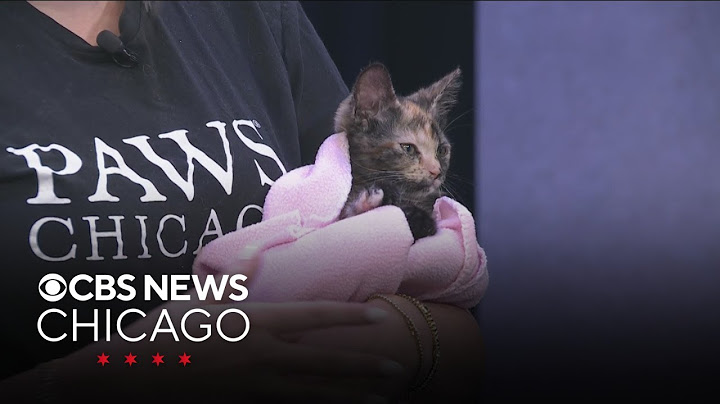
Photograph the whole kitten under natural, indirect light rather than concentrating on one striking patch. If you need to distinguish tortie from calico, check for white fur on the belly and legs. Color terminology is less important than being able to recognize the actual kitten during a shelter visit or handoff.
When does a kitten’s coat pattern appear?
Tortoiseshell pigmentation is inherited and begins developing before birth. The coat pattern is generally visible in kittens, although photographs, short fur, and lighting can hide small details. As the kitten grows and the fur changes in length and texture, colored patches may become easier to recognize. This does not mean that the kitten acquired new tortie genes as it aged.
Young kittens can have temporary-looking faint stripes or shaded areas. An experienced rescue volunteer or veterinarian can help describe uncertain markings, but a definitive label is not required to provide good care. Do not mistake patchy hair loss, irritated skin, or bald spots for normal tortoiseshell coloring.
First days at home: the practical setup
Prepare one quiet starter room with a litter box, water, age-appropriate kitten food, bedding, and a safe hiding spot. Keep cords, medication, cleaning products, small swallowable objects, and toxic plants out of reach. Introduce the kitten gradually to the rest of the home instead of opening every door immediately. A secure carrier and a familiar-smelling blanket can make the trip home less stressful.
Place food and water away from the litter area. Offer a scratcher and a few sturdy toys, including a wand toy used with supervision. If another pet lives in the home, plan slow introductions through scent and controlled contact rather than assuming kittens will automatically get along.
Veterinary care, vaccinations, and feeding
Schedule a veterinary visit after adoption to review age, weight, parasite prevention, vaccinations, and any available medical records. Core vaccines and timing should follow current professional guidance, the product used, local regulations, and the kitten's health and exposure risks. Do not copy a schedule or medicine dose from another kitten simply because both have tortie coats.
Provide complete kitten food and fresh water. Ask the veterinarian about spaying or neutering, microchipping, and any concerns about stool, appetite, eye discharge, or respiratory symptoms. A rescue's written records should identify what has actually been administered rather than merely saying that 'all shots' are complete.
Socialization and play without forcing contact
Socialization works best when experiences are brief, calm, and positive. Invite the kitten to approach rather than grabbing it from hiding. Introduce different everyday sounds and people gradually, pairing comfortable interactions with gentle play or food rewards. Practice short, pleasant handling of paws and brushing where the kitten tolerates it. Avoid using your fingers or toes as hunting toys.
A kitten's temperament is still developing. A shy tortie is not 'broken,' and an energetic tortie is not proof of an inborn attitude. Provide rest between play sessions and a retreat that visitors cannot disturb. Seek veterinary or qualified behavioral advice if fear or aggression significantly interferes with daily life.
Choosing an ethical rescue and asking the right questions
Ask how old the kitten is, whether it is weaned, what it currently eats, whether there is a litter history, and what veterinary care has been completed. A responsible organization should explain its adoption process and any return policy, and should not pressure you to commit immediately because a color is advertised as unusually valuable.
Request clear photographs and medical paperwork before arranging travel. If you are considering a pedigree kitten, verify the breeder's identity and relevant breed health practices rather than treating 'tortoiseshell' as a pedigree. A kitten with the right personality and welfare support is a better choice than one selected only for a dramatic split-face photograph.
Frequently asked questions
Can kittens already be tortoiseshell?
Yes. The inherited mosaic pattern develops before birth and is generally visible in kitten fur.
Are tortie kittens always female?
Most are, but rare male kittens with tortoiseshell markings do occur.
Do tortie kittens need special vaccinations?
No color-specific vaccine schedule exists; a veterinarian should tailor preventive care to age and risk.
Will my tortie kitten keep the same colors?
The inherited pattern remains, although appearance can change with coat growth, lighting, and maturity.
Should I pay extra for a tortie kitten?
Coat color alone is not a separate breed certification or reliable reason for a premium.
Related tortoiseshell cat guides
Continue with these closely related guides, each covering a separate question:
Tortie Cats: What Makes a Tortoiseshell Coat?