Tortie Tabby Cats: What Is a Torbie?
Learn what a torbie cat looks like, how tabby stripes combine with tortoiseshell patches, and how dilute torbies differ from typical torties.
Tortie Tabby Cats: What Is a Torbie?
A tortie tabby, often called a torbie, combines tortoiseshell colors with tabby markings. A typical torbie has both warm orange or cream pigment and darker fur that shows tabby stripes, swirls, or spots. This matters because many ordinary torties also display stripes in their orange areas. The strongest clue is tabby patterning in the dark-colored regions, not merely a striped-looking red patch on the forehead. Here's how to inspect the coat and avoid confusing a torbie with a tortie or calico.
What is a torbie cat?
'Torbie' blends 'tortie' and 'tabby.' It is an informal but widely used label for a cat showing both the tortoiseshell orange-versus-dark color mixture and a tabby pattern. A torbie is not a separate breed. Domestic cats and pedigreed cats can display this pattern wherever the relevant coat colors and markings are permitted.
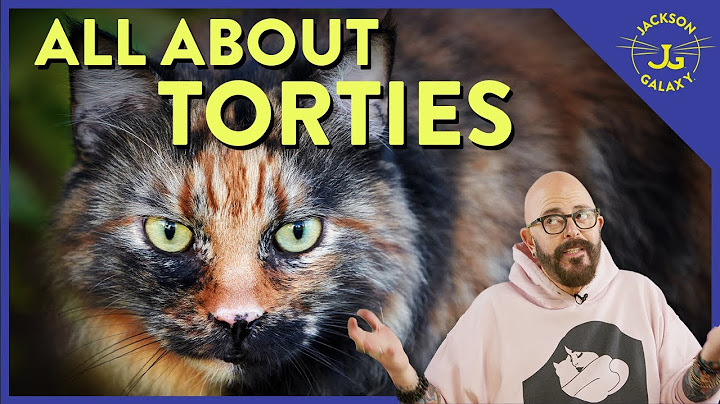
Some torbies have obvious dark stripes on their legs or flanks; others have subtler swirling patterns. The arrangement of colors varies from cat to cat. Use the term when it helps identify the appearance, but remember that breed registries may use more detailed color names than everyday pet descriptions.
The crucial clue: stripes in the dark areas
Orange-based cat fur commonly shows visible tabby markings. That means an orange stripe on a tortie's face or legs is not sufficient evidence of a torbie. Look at the black, brown, or blue-gray regions. Are there darker parallel stripes, swirling outlines, spots, or other tabby markings within those areas? If so, torbie may be an appropriate description.
The International Cat Association highlights this distinction in its color guide: compare solid dark sections on a tortie with striped dark sections on a torbie. In low-contrast fur, good lighting and photographs from multiple angles can make a meaningful difference.
Tortie versus torbie: a practical comparison
Both patterns combine orange-related and dark pigment. In a classic tortie, the non-orange regions are typically solid dark fur without a full tabby pattern, even though the orange areas may look striped. In a torbie, the non-orange fur itself displays tabby markings. A blotchy patchwork and an overall striped appearance can occur together.
This does not require two cats to have identical patch size or fur length. You can have a long-haired torbie or a short-haired torbie. When a single photograph makes the pattern hard to distinguish, describe what is visible rather than forcing certainty. Our main tortie guide handles overall definitions; this page stays with stripe identification.
What is a dilute torbie?
A dilute torbie has the softened blue-gray and cream palette associated with dilute coat coloring, along with tabby markings. The same dark-region test applies: check for pattern within the blue-gray sections, not only in the cream. In a pale cat, subtle markings may be difficult to photograph and easy to exaggerate with image filters.
Dilution affects pigment appearance; tabby pattern controls how pigment is organized into bands and stripes. Neither trait establishes a breed or determines personality. The separate dilute tortie article explains blue-cream coloring generally, while this page focuses on the presence or absence of true tabby patterning.
Torbie, calico, tabico: why terminology overlaps
A cat can show tabby markings and have white spotting. Some owners use 'tabico' or 'caliby' to describe a calico-tabby appearance. Others use 'torbie with white.' These labels can be useful informally but are not applied identically by every registry or rescue. White spotting should be recorded separately from whether the dark areas are striped.
A cat with prominent white patches and orange plus dark areas may be described as calico even if tabby striping is also visible. To decide which term is clearest for a general audience, describe three features: orange pigment, dark pigment, and how much white appears; then add whether the dark regions show tabby marks.
Five-step torbie photo checklist
First, photograph the full body in diffuse daylight. Second, locate dark or blue-gray coat areas that are not shadowed. Third, inspect these areas for genuine stripe or swirl outlines. Fourth, note orange or cream sections and any white spotting. Fifth, take a closer image of the flank or leg if the markings remain unclear.
Avoid identifying a cat as torbie solely from a forehead 'M,' because some cats show markings more strongly in one region and classifications differ. For adoption and lost-pet listings, a plain-language description such as 'orange-and-brown tortie pattern with tabby stripes on the flanks' may be more valuable than any single label.
Frequently asked questions
Is a torbie the same as a tortie?
A torbie is a tortoiseshell-tabby combination; a standard tortie lacks the same tabby pattern in dark areas.
Can a torbie have white fur?
Yes. White spotting can occur in addition to the tortie-tabby pattern.
What does a dilute torbie look like?
Usually blue-gray and cream fur with visible tabby patterning, especially in the darker regions.
Is torbie a cat breed?
No. Torbie describes coloration and markings, not pedigree.
Why do orange tortie patches look striped?
Orange or cream fur often displays tabby markings even when the dark patches remain solid.
Related tortoiseshell cat guides
Continue with these closely related guides, each covering a separate question:
Tortie Cats: What Makes a Tortoiseshell Coat?