Long-Haired Tortoiseshell Cats: Coat Types and Grooming
Learn what a long-haired tortoiseshell cat looks like, which cat types can have the coat, and everyday grooming tips for long-haired torties.
Long-Haired Tortoiseshell Cats: Coat Types and Grooming
A long-haired tortoiseshell cat has both a tortie color pattern and a longer coat. Those features are inherited separately: the tortie coloring does not make fur grow longer, and longer fur does not establish a Persian pedigree. Some long-haired torties have silky hair that is manageable with regular brushing; others develop a dense undercoat that tangles easily. This guide helps identify the look and build a coat-care routine without guessing the cat's breed.
What does a long-haired tortie look like?
A long-haired tortie may have a thick plume-like tail, wisps around the ears, a furry neck ruff, and orange-and-dark patches woven through longer strands. The pattern can look less distinct than on a short-haired cat because individual hairs overlap. Some cats show dramatic facial patches, while others display most of their orange coloring on the flanks or tail.
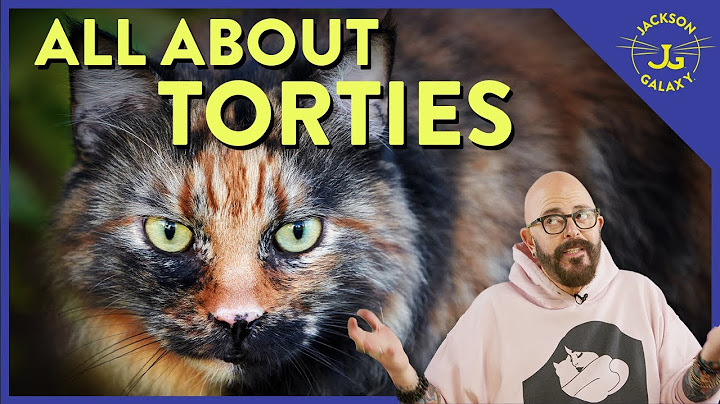
Both classic and dilute tortie palettes occur with long fur. The coat can also have varying texture and undercoat density. Neither color intensity nor a fluffy tail is enough to identify a specific breed. Photographs from both sides, including the coat against the body, give the most useful impression.
Coat length is not proof of a particular breed
Domestic longhair is a broad descriptive category for cats without verified pedigree, not a single breed. A tortie may also be a Persian or belong to another recognized breed in which the pattern occurs. Similarities in fur and head shape can be misleading, particularly for kittens that have not yet developed their adult coat.
If you are posting an adoption profile, use confirmed pedigree records rather than internet breed-matching quizzes. People adopting a long-haired tortie mainly need to know how dense the coat is, whether it mats, and how the cat responds to being groomed. Breed guesses do not answer those practical questions.
Brushing, combing, and mat prevention
Use a comb that can reach through long hair to detect hidden tangles, along with a gentle brush if the cat enjoys it. Focus on areas where movement causes friction: behind ears, near the collar, under front legs, around the belly, and along the back of the thighs. Separate fur gently and work through small sections without tugging. Many long-haired cats benefit from frequent short sessions rather than an occasional lengthy comb-out.
When a mat forms close to the skin, avoid pulling or using scissors. Ask a trained groomer or veterinarian for safe removal. Matting can trap moisture and cause discomfort even when the top coat looks smooth.
Hairballs, shedding, and coat changes
Long-haired cats may swallow more shed hair during self-grooming, but not every episode of vomiting should be dismissed as a hairball. Discuss repeated vomiting, appetite changes, constipation, or weight loss with a veterinarian. Regular brushing removes loose hair and may make grooming more comfortable, while complete nutrition and hydration support general health.
Shedding varies with season, indoor conditions, age, and individual health. A sudden bald patch, persistent dandruff, or painful skin is not a normal tortie pattern change. Do not treat a noticeable coat problem with unverified home remedies or supplements without professional advice.
How to recognize a long-haired tortie kitten
A young kitten may have wispy ear furnishings and a fluffy tail, but the adult coat may be longer or denser than early photographs suggest. Notice whether orange or cream flecks are mixed with darker fur and whether the kitten already tolerates gentle touch. Prepare to introduce brushing slowly, starting with a few comfortable strokes and rewarding the kitten for choosing to participate.
A kitten should have routine veterinary and nutritional care suited to its age, independent of fur length and coat color. An adoption listing should describe current grooming tolerance instead of claiming a kitten will definitely become a specific long-haired breed.
When to ask for professional grooming help
A groomer experienced with cats can advise on tools, coat condition, and manageable home routines. Seek support promptly if mats are tight, the cat cannot reach its hindquarters, or grooming causes repeated distress. A veterinarian should assess pain, skin inflammation, sudden poor self-grooming, or any change in mobility.
Do not shave a cat solely because a long coat seems inconvenient; the decision should weigh coat condition, welfare, and professional guidance. The goal is a clean, comfortable animal, not a particular styling trend. Owners should keep a simple record of grooming issues so worsening patterns are noticed early.
Frequently asked questions
Are long-haired torties a breed?
No. Long-haired describes coat length and tortie describes coloring; neither alone establishes breed.
Can a long-haired tortie be a domestic cat?
Yes. Domestic longhairs commonly display a range of coat colors, including tortoiseshell.
How often should I comb a long-haired tortie?
Often enough to prevent tangles; many need frequent short sessions, adjusted for coat density and tolerance.
Is every long-haired tortie a Persian?
No. A Persian label requires more evidence than long hair and tortie coloring.
Do tortie cats shed more than other cats?
Coat length, density, health, and environment matter more than tortoiseshell pigment alone.
Related tortoiseshell cat guides
Continue with these closely related guides, each covering a separate question:
Tortie Cats: What Makes a Tortoiseshell Coat?