Tortoiseshell Persian Cats: Coat Colors and Grooming
Discover the tortoiseshell Persian cat coat pattern, why it is not a separate breed, and practical grooming and health considerations.
Tortoiseshell Persian Cats: Coat Colors and Grooming
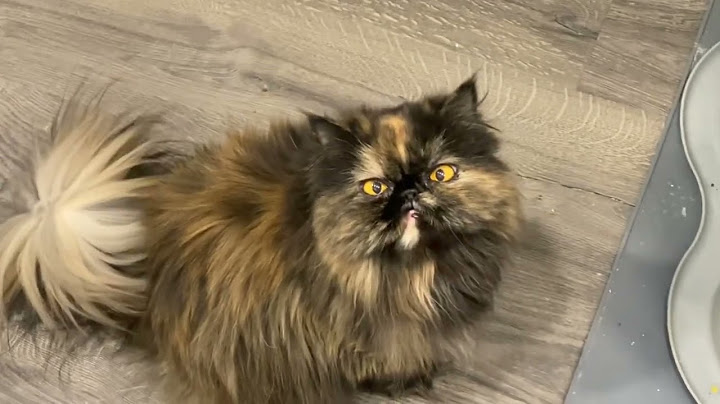
A tortoiseshell Persian cat is a Persian with black-and-orange or related tortie coat coloring. The pattern describes the pigments; Persian describes the pedigreed breed. That distinction matters because Persian-specific care is largely about a dense, long coat and sometimes facial structure, not about the orange-and-black patches. If you're comparing an adoption listing, looking after a Persian, or researching this pattern in a breeder's litter, prioritize reliable breed identification and practical welfare needs.
What makes a tortie Persian a Persian?
Persians are recognized pedigree cats with breed standards that include particular body proportions, head features, and a long, abundant coat. Tortoiseshell can occur among accepted Persian color varieties. A cat does not become Persian merely because it is fluffy and has a tortie pattern. Many domestic longhairs can look similar in one photograph.
Ask whether a breeder provides registration documentation and information about the kitten's parents. For a rescued cat without papers, it is more accurate to use 'long-haired tortoiseshell' or 'Persian-type' only when the description is supported. Breed assumptions can affect grooming expectations and assessments of inherited health concerns, so precision matters beyond appearance.
How the tortoiseshell pattern looks in Persian fur
The long coat makes dark and warm patches appear softer or more blended than on a short-haired cat. Classic torties may show black and red, while dilute variants show blue-gray and cream. Small patches may be hidden beneath outer fur or look different after brushing. A Persian can have distinct color distributions without needing a symmetrical face or perfectly separated blocks.
Inspect the roots and outer coat in good light before deciding that a cat has faded colors. An animal's fur should be described as it appears rather than edited to match an idealized online image. Keep coat color, pedigree identification, and health documentation as three separate questions.
Grooming a dense Persian coat
Persian fur can tangle quickly. Establish gentle, frequent combing that reaches the coat under the outer layer without scraping the skin. Check common friction points, including under the arms, behind the ears, around the collar, and near the hindquarters. Use a comb appropriate for a long, dense coat and keep sessions short enough that the cat remains comfortable.
Never pull hard on a mat or cut close to the skin with household scissors; feline skin is easily injured, especially when tight mats hide it. Ask a professional groomer or veterinarian to address significant matting. Bathing and trimming needs vary, and a routine that works for a show cat may be unnecessarily stressful for a household pet.
Eyes, breathing, and facial structure: welfare comes first
Some Persians have shortened facial structures. Associated issues can include breathing difficulty, excessive tear staining, or challenges with ordinary grooming and eating. Severity varies, and the coat pattern does not create these concerns. Inspect the individual cat for comfortable breathing at rest and ask about any recurring eye or nasal problems. Do not assume noisy breathing is normal or harmless just because the cat is a Persian.
The Cat Fanciers' Association notes that Persian eyes may require gentle cleaning. Use a soft, clean, damp cloth where appropriate and seek veterinary advice for persistent redness, discomfort, discharge, or breathing changes. Welfare should take priority over extreme facial appearance.
Questions to ask a breeder or rescue
Ask for pedigree records when a cat is sold as a registered Persian, health and veterinary records, details about grooming tolerance, and a clear explanation of any breed-relevant screening. Discuss the parents' health and facial structure, not just their coat colors. A good seller should allow thoughtful questions, disclose relevant issues, and provide written terms.
If the cat is an adult rescue, ask whether it tolerates combing, has a history of matting, or needs help with eye care. Clarify the costs of ongoing grooming and veterinary support before adoption. The color should not distract from practical decisions that determine whether the cat can be cared for comfortably.
Persian tortie versus any long-haired tortie
A tortoiseshell Persian is a particular combination of pedigree and coat pattern. A long-haired tortie may be mixed breed, Persian, or another breed entirely. Their grooming routines can overlap, but you should not assume they share identical health risks. The long-haired tortoiseshell guide focuses on coat maintenance without assuming an established breed.
For SEO listings and photo captions, use 'tortoiseshell Persian cat' only with good breed evidence. When breed is unknown, a descriptive label is both more honest and more useful to adopters trying to estimate coat-care demands.
Frequently asked questions
Can Persian cats be tortoiseshell?
Yes. Tortoiseshell is one of the coat-color combinations that may appear in Persian cats.
Is every fluffy tortie a Persian?
No. Many domestic long-haired cats and other breeds can have similar coats.
Do tortie Persians need daily grooming?
Their dense coats usually need frequent, careful combing; the exact routine should fit the individual cat.
Does tortie coloring cause Persian breathing problems?
No. Concerns about breathing relate to facial conformation and individual health, not the tortie color pattern.
Can a tortoiseshell Persian be dilute?
Yes. Blue-gray and cream are dilute expressions of the same general tortoiseshell color combination.
Related tortoiseshell cat guides
Continue with these closely related guides, each covering a separate question: