Simmental Cattle: History, Breed Traits, and Farm Uses
Simmental Cattle. Discuss dual-purpose roots, modern types and.
Simmental Cattle: History, Breed Traits, and Farm Uses
Simmental cattle originated in the Simme Valley region of Switzerland and spread internationally.
Origin and appearance
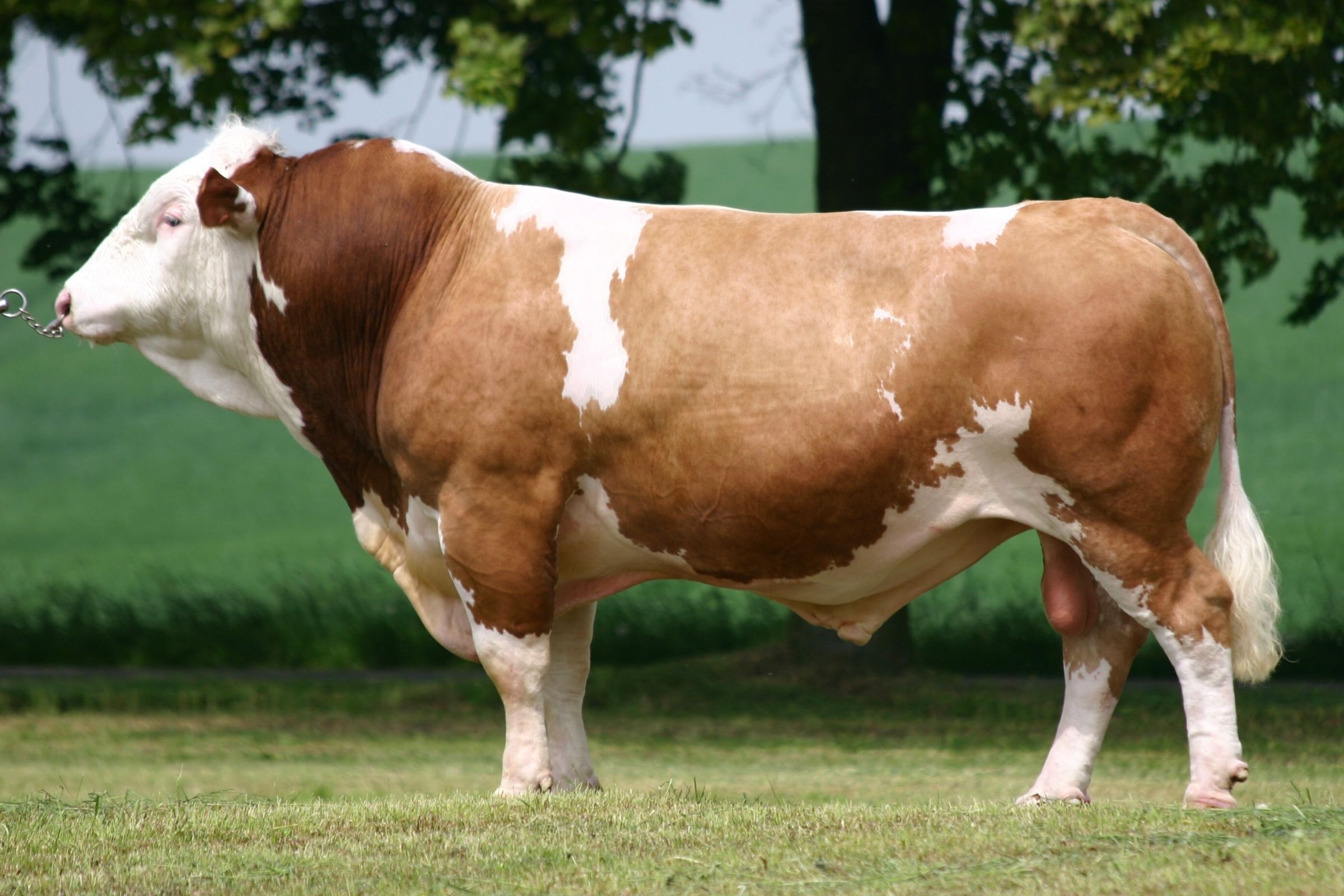
They are typically large-framed animals with color patterns that vary by country and breeding population. Breed identification based only on a reddish-and-white coat can be unreliable because other cattle share similar markings.
A flexible breed purpose
Simmental cattle have historical roots as multipurpose cattle for milk, meat, and farm work. Modern populations have been selected differently: some emphasize beef growth, others retain dual-purpose traits. Comparing animals therefore requires knowing the breeding program rather than assuming all Simmentals have identical milk yields.
Growth and maternal traits
Breeders often value growth and maternal performance, but calving ease, mature cow size, and nutrition are equally important. Genetic differences exist within any breed, and individual bull selection influences calf birth weight. A breed label alone cannot predict a safe calving outcome.
How to evaluate a herd
Useful records include birth weights, calving difficulty, fertility, longevity, soundness, and performance under local feed conditions. In the US, Simmental and Simmental-cross cattle are common in beef systems. Good breeding decisions match animals to climate, resources, and animal welfare goals.
Reading the breed name in different countries
Simmental populations have been selected for different production goals in Europe and North America. Some emphasize both dairy and beef traits, while others are important in modern beef crossbreeding. Coat patterns can be quite variable, and crossbreeding further complicates visual identification. To understand expected performance, look for herd records and breeding objectives. Using a single international average for growth, milk, or mature size would conceal meaningful differences among populations.
Reading breed and husbandry claims carefully
Breed names describe ancestry or selection history, not a promise about any individual animal. Climate, nutrition, breeding values, health, and handling influence outcomes. Where a practice affects animal health or reproductive welfare, consult a veterinarian or qualified extension specialist rather than using a general explainer as a protocol.
Separating biology from management decisions
A breed description, sex term, or production concept is not a substitute for a farm-specific plan. Genetics, age, body condition, feeding, climate, and welfare standards can alter outcomes. Measurements and records are more informative than dramatic photographs or an isolated claim about performance. Whenever a decision may involve surgery, reproductive intervention, milk handling, or a sick animal, seek a qualified veterinarian or extension professional and use current official guidance.
Frequently asked question
Are Simmentals only beef cattle?
No. Their history is multipurpose, and modern breeding populations may emphasize different uses.
Related guides
Cow and Calf • Belgian Blue Cattle • How Dairy Animals Are Milked
