Alluvial Soil: How Floodplains Form Fertile Deposits
Alluvial Soil. Explain river sediment deposition, texture variation and floodplain.
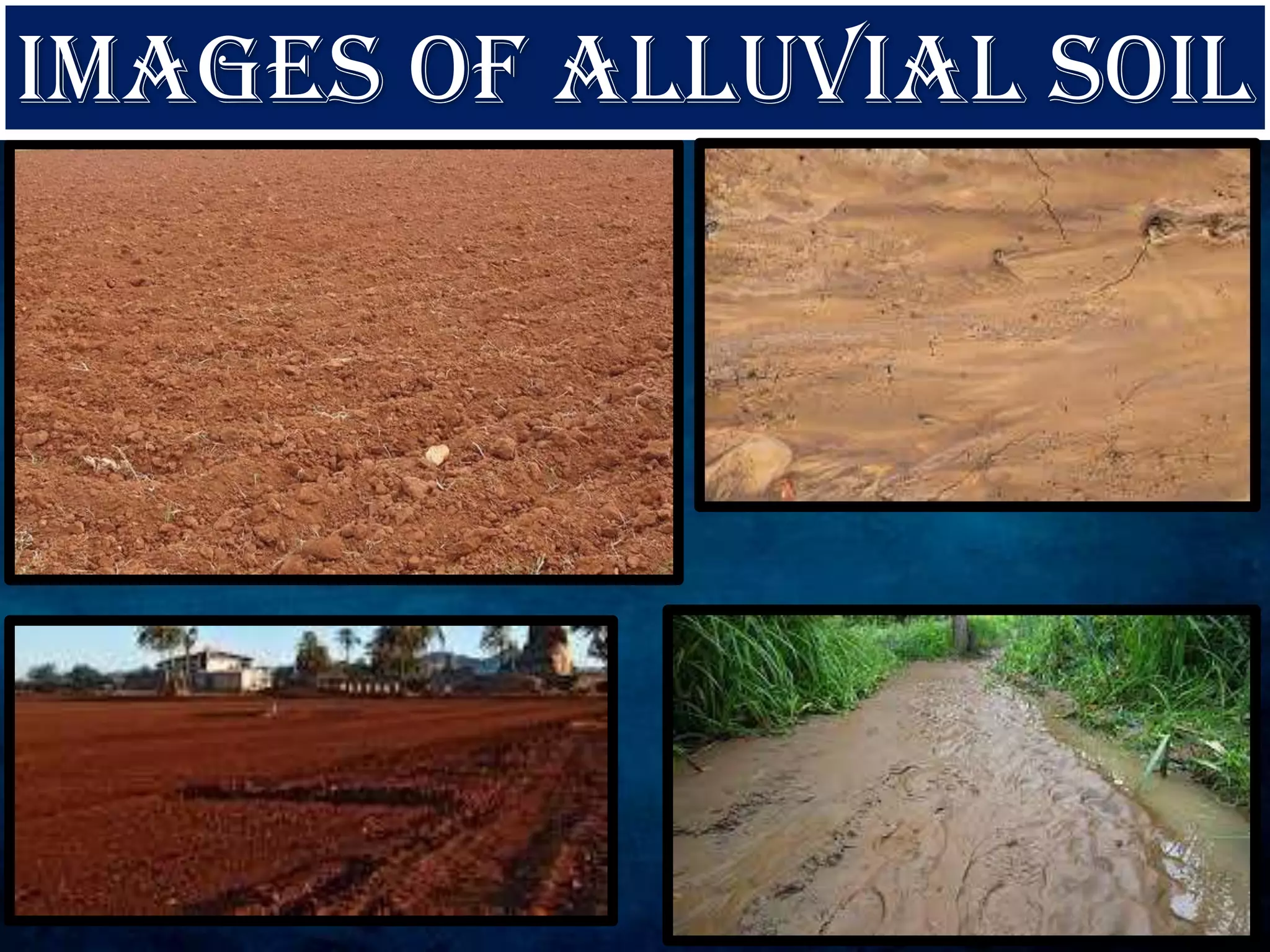
Alluvial Soil: How Floodplains Form Fertile Deposits
Alluvial soils develop in materials deposited by running water, commonly on floodplains, river terraces, and deltas.
Soil made from transported sediment
The word describes how parent sediment arrived, not a single soil texture or fertility level. Alluvium may contain sand, silt, clay, or layered mixtures deposited during different flood events.
Why floodplains are variable
A river may drop coarse sediment near its channel and finer particles farther across the floodplain. Buried old surfaces can appear beneath younger deposits. Floodplain soil can be productive, waterlogged, saline, or erosion-prone depending on drainage, groundwater, sediment source, and land management.
Ecological and agricultural roles
Alluvial landscapes can support wetlands, riparian forests, and agriculture. Periodic flooding replenishes some nutrients but also creates risks to crops, buildings, and livestock. Evaluating land requires attention to flood maps and soil drainage classifications rather than the vague assertion that every alluvial soil is fertile.
How to recognize the setting
Look for layered sediment near streams, terraces, or deltas, but confirm with soil survey maps and landform history. USDA NRCS Web Soil Survey is useful for US parcels. A sandy loam texture and an alluvial origin can occur together because the terms describe different soil properties.
Flooding shapes the soil repeatedly
Rivers can carry coarse particles during high-energy flow and deposit fine silt as water slows over a floodplain. Repeated events produce layers and buried surfaces that complicate the profile. An alluvial field may offer nutrient-rich silt but also be at risk of flood damage or long waterlogging. A landowner should check both soil maps and flood-hazard information. The term alluvial tells a story about deposition; it does not certify fertility or safety for construction.
How to apply the definition
Ecological terms are useful only when the observation fits the definition. Record scale, location, substrate, season, and the process being studied. A soil label may describe origin rather than texture; a species label may describe ecological function rather than permanent identity. Compare multiple clues before generalizing from one example.
Evidence, location, and scale
A named ecological process can be real without occurring in the same way in every location. Researchers compare observations across seasons, habitats, and methods, then explain uncertainty. Garden soils, river deposits, natural forests, and farms each have histories that influence the patterns people see. For practical land-use choices, combine the general concept with local data such as soil surveys, climate records, and relevant conservation or agricultural guidance.
Frequently asked question
Is all alluvial soil fertile?
No. Nutrient status, drainage, salinity, and texture vary from one alluvial deposit to another.
Related guides
Sandy Loam Soil • Soil Layers Explained • Generalist Species vs Specialists
