Bearded Dragon Terrarium: Heat, UVB and Bioactive Considerations
Plan a bearded dragon terrarium around reliable heat and UVB gradients, floor space, safe decor and realistic arid bioactive maintenance.
Bearded Dragon Terrarium: Heat, UVB and Bioactive Considerations
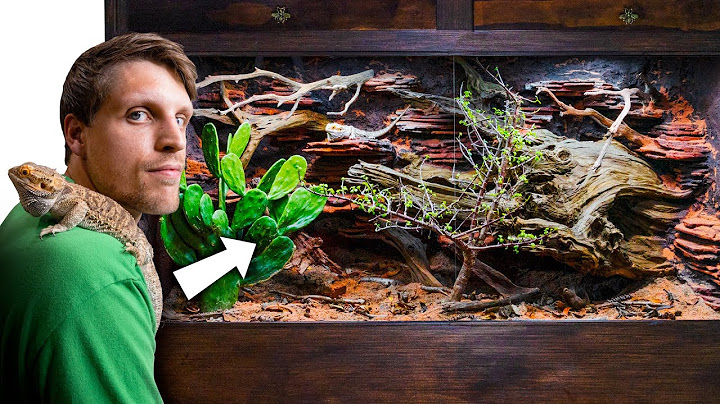
A bearded dragon terrarium should offer a large usable floor, a bright basking area, a cooler retreat, suitable UVB exposure and stable structures for climbing and digging. A dry-looking display can still be unsafe if its basking surfaces burn, the cool end is too warm or the UVB is blocked. Bioactive soil is optional; it cannot replace the core heat and lighting requirements.
Begin with adult floor area Bearded dragons are active, mostly terrestrial lizards that also use logs and rocks. Choose enclosure dimensions based on adult movement, full-body turning, a separated basking area and safe access to cooler zones. A 4x2x2-foot enclosure is a common planning reference for an adult, but check up-to-date species and regional welfare standards before purchasing. More interior space may be appropriate when well furnished and managed.
Evaluate clear internal floor area, not only a 120-gallon marketing label. Leave space for hides on both sides, a solid basking platform, a clean feeding area and digging opportunities. Secure doors and vents, particularly if feeders are used. Put heavy décor on stable supports so the dragon cannot undermine it while digging.
Build a real thermal gradient The RSPCA outlines a warm basking zone and a distinct cool zone for bearded dragons; its care sheet provides a basking-temperature reference around 38–42°C with a cooler end around 22–26°C. Exact readings and probe placement must follow the animal's care plan. Use a thermostat and verify temperatures with reliable thermometers. Measure the basking surface as well as surrounding air because a stone can become much hotter than the surrounding zone.
Keep lamps behind appropriate guards and maintain safe clearances from bark, plants and the lizard's back. Avoid heated rocks that can cause burns. Run the finished terrarium for several days before adding the dragon, and review the gradient when room temperature changes seasonally.
UVB must reach the basking animal Bearded dragons depend on appropriate UVB access for vitamin D and calcium metabolism. RSPCA guidance discusses a strong UVB tube creating a basking UVI in the approximate 3–5 range with shaded areas approaching zero. That does not mean every location inside the enclosure should be equally bright. Use a suitable reflector and verify the actual distance and exposure at the animal's back or basking level.
Glass blocks useful UVB and mesh can reduce transmission. A bulb's '10%' or '12%' marketing figure is not a substitute for measuring UVI. Provide a stable day/night cycle and let the animal retreat to shade. Replace tubes according to verified output and the manufacturer's maintenance guidance.
Furnish for choice and safety Offer multiple secure hides, sturdy branches or low climbing structures and a clean water source. Watch how the dragon uses the enclosure: an animal that never leaves one spot may lack a safe alternative temperature or secure refuge. Avoid sharp rocks, loose wiring and unstable basking platforms. Cleaning access should remain possible even with elaborate décor.
Substrate choices range from practical solid surfaces to appropriate dry, compactable loose mixes in a correctly maintained habitat. Particle size, contamination and the animal's feeding behavior matter more than simply declaring all sand safe or unsafe. A separate substrate guide can evaluate the risks in detail.
Can a bearded dragon enclosure be bioactive? Arid bioactive systems are possible, but they are not tropical terrariums with a lamp added. Cleanup organisms must tolerate the moisture pockets provided, while the surface and basking areas remain appropriately dry. Plants must be species-safe and resilient to digging. Remove visible waste promptly. If soil becomes persistently damp or insect populations collapse, revisit the design rather than adding more organic matter.
Maintain a log of temperature, UVI checks, appetite, stool, shedding and enclosure hygiene. Concerns such as weakness, poor appetite or abnormal movement warrant evaluation by a reptile-experienced veterinarian; redesigning décor alone is not medical treatment.
Explore related terrarium guides
Related reading: Bioactive Terrarium Setup: A Species-First Guide.
Related reading: Best Substrate for Bearded Dragons: Safer Options.
Related reading: 4x2x2 Reptile Enclosure: Size and Setup Guide.
Related reading: Reptile UVB Lighting: Species-Based Setup.
Frequently asked questions
Is UVB optional for a bearded dragon?
Appropriate UVB is an essential part of its care plan and should be measured at the accessible basking area.
Is 4x2x2 a tank-size guideline?
It is a common adult planning reference, but current welfare recommendations and the individual animal still determine what is suitable.
Can basking rocks burn a dragon?
Yes, if overheating or heat sources are improperly installed; measure surfaces and guard fixtures.
Can a bearded dragon habitat be bioactive?
A carefully managed arid bioactive design is possible, but cleanup organisms do not replace waste removal or safe heat and UVB.
Should the entire enclosure be hot?
No. A distinct cool retreat lets the animal regulate body temperature.
Animal-care note: This is educational husbandry guidance, not a diagnosis or a substitute for species-specific veterinary care.