Reptile UVB Lighting Requirements: A Species-First Guide
Understand why UVB lamps, distance, exposure gradients and replacement schedules vary by reptile species and enclosure design.
Reptile UVB Lighting Requirements: A Species-First Guide
Reptile UVB lighting requirements depend on the animal's natural exposure pattern, where it can bask, the lamp's output and the distance to the animal. UVB is not a single bulb strength suitable for every enclosure. A safe installation creates an accessible UV Index range with shaded retreats and uses the animal's species-specific guidance to choose the target.
What UVB does in reptile care Appropriate ultraviolet B radiation supports vitamin D3 synthesis and calcium physiology in many reptiles. Inadequate UVB and related husbandry problems can contribute to metabolic bone disease, but diet, temperatures and overall health also matter. Merck Veterinary Manual describes UVB and nutrition as linked parts of reptile management. Supplying a high-power bulb without measuring exposure is not a safe shortcut.
Some animals bask openly in intense sunlight; others use partial shade or are active at dusk. Even species described as nocturnal can have husbandry guidance that addresses UV exposure. Work from the species' verified needs, not an assumption that all lizards require the same bulb or that 'night-active' means no UVB planning.
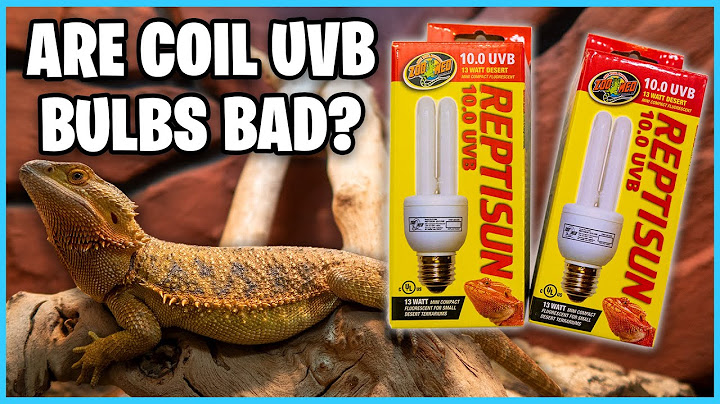
UVI at the animal matters more than a percentage label A package may say 5%, 7%, 10% or 12% UVB, but those figures do not tell you the UV Index at the basking perch. Distance, reflector design, tube length, mesh and lamp age all affect the result. A tall climbing gecko may move close to a lamp, while a ground-dwelling lizard may be much farther away. Measure where the back of the animal can actually reach, including the highest accessible perch.
Arrange a gradient so the reptile can move away from UVB into suitable shade. Do not light the whole enclosure at one unvarying level. UVB does not pass effectively through ordinary window glass, and mesh can reduce transmission. A glass lid between a reptile and a suitable UVB tube may defeat the intended exposure.
Species examples require species sources RSPCA guidance for leopard geckos describes a low UV Index around 0.7 in the basking area, fading into shade. Its bearded dragon guidance describes a substantially stronger basking zone around UVI 3–5 with a shaded retreat. Crested geckos need a different, controlled lighting arrangement with safe climbing distances and hiding spots. These are illustrative care-source references, not interchangeable universal instructions.
If a morph has unusual light sensitivity, or an animal has eye or skin problems, consult a reptile-experienced veterinarian. Do not copy a powerful bearded dragon lamp setup into a shallow leopard gecko enclosure. Exact safe distances must match the specific lamp and mounting configuration.
Protect the animal from heat and contact A UVB tube, reflector and any associated heat source need secure mounting. Hot lamps must be guarded against direct contact. Keep branches and backgrounds from moving closer to the lamp than planned. If UVB and heating overlap in the basking area, measure both; a correct UV Index does not prove that surface temperature is safe.
Use a consistent daytime photoperiod and darkness at night unless the species' documented needs specify otherwise. Avoid colorful night bulbs marketed as invisible to reptiles. Run lighting and temperature equipment together for several days before adding an animal.
Monitor output and replace at the right time UVB emissions change as bulbs age, sometimes before visible light looks dim. Follow the manufacturer's stated replacement interval and use a suitable UV Index meter if possible. Record the lamp model, installation date, measurement location and resulting UVI. If changing fixture, screen or climbing décor, retest: even a well-known lamp can become unsafe after the accessible distance changes.
Explore related terrarium guides
Related reading: Leopard Gecko Terrarium: Size, Heat and Setup.
Related reading: Crested Gecko Terrarium: Bioactive Setup Guide.
Related reading: Bearded Dragon Terrarium: Safe Arid Habitat.
Related reading: Bioactive Terrarium Setup: A Species-First Guide.
Frequently asked questions
Is a 10% UVB bulb right for all reptiles?
No. Bulb percentage alone does not determine safe UVI at the animal.
Does UVB pass through a glass lid?
Ordinary glass blocks most useful UVB, so fixture design matters.
How can I check the UVB dose?
Use a suitable UV Index meter at an accessible basking position and follow species-specific guidance.
Does a UVB bulb last as long as its visible light?
Not necessarily. Output can decline before it appears dim, so measure and follow replacement guidance.
Can reptiles escape too much UVB?
They should be able to reach genuine shaded areas as part of a measured light gradient.
Animal-care note: This is educational husbandry guidance, not a diagnosis or a substitute for species-specific veterinary care.