How Dairy Animals Are Milked: Hygiene, Equipment, and Welfare
How Dairy Animals Are Milked. Outline milking routines, udder hygiene and sanitation without veterinary treatment.
How Dairy Animals Are Milked: Hygiene, Equipment, and Welfare
Milking removes milk from the udder after a dairy animal has given birth and begun lactating.
What milking involves
Dairy cows, goats, sheep, and water buffalo may all be milked, but their anatomy and equipment requirements differ. Milking is a routine husbandry procedure that must be planned around animal health and hygiene.
Preparation and cleanliness
A hygienic routine includes checking the animal and udder, cleaning and drying teats appropriately, and using suitable equipment or hand-milking technique. Milk-contact surfaces need cleaning and sanitizing. Procedures should follow the dairy’s veterinary, regulatory, and food-safety protocols instead of a universal internet checklist.
During and after milking
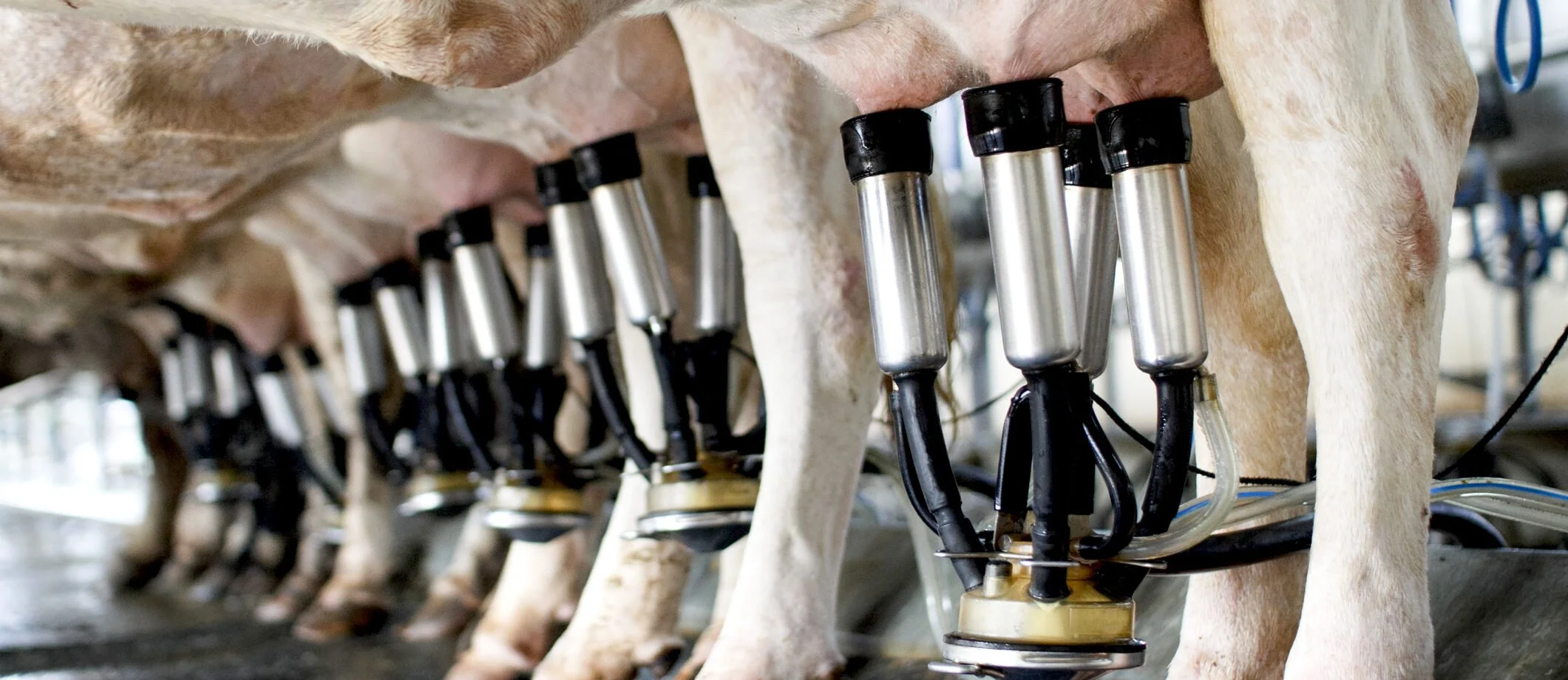
Mechanical systems rely on properly adjusted vacuum, pulsation, and liners; incorrect setup can injure teats or impair milk removal. After milking, animals need access to appropriate feed, water, and comfortable space. Monitoring equipment function and udder changes helps detect problems promptly.
Milk quality and welfare
Raw milk can contain harmful microbes, so testing, rapid cooling, and legally required handling are vital. Mastitis risk is influenced by multiple factors, not merely by how frequently a cow is milked. If an udder appears swollen or painful, consult a veterinarian; do not self-prescribe treatments or withholding times.
A routine needs consistency and oversight
Changing milking equipment settings or sanitizing practices without expert oversight can create injuries and food-safety problems. Good farms document their routine, inspect equipment, monitor udder condition, and respond when milk quality changes. Goats and cows have different teat anatomy and milking patterns, so procedures should be species-appropriate. For a visitor, the important question is whether people, animals, and milk-contact surfaces are handled hygienically, not whether a farm uses the newest machine.
Reading breed and husbandry claims carefully
Breed names describe ancestry or selection history, not a promise about any individual animal. Climate, nutrition, breeding values, health, and handling influence outcomes. Where a practice affects animal health or reproductive welfare, consult a veterinarian or qualified extension specialist rather than using a general explainer as a protocol.
Separating biology from management decisions
A breed description, sex term, or production concept is not a substitute for a farm-specific plan. Genetics, age, body condition, feeding, climate, and welfare standards can alter outcomes. Measurements and records are more informative than dramatic photographs or an isolated claim about performance. Whenever a decision may involve surgery, reproductive intervention, milk handling, or a sick animal, seek a qualified veterinarian or extension professional and use current official guidance.
Frequently asked question
Is milking equipment the same for all dairy species?
No. Equipment design, settings, and routines depend on species and farm protocols.
