Cow and Calf: Birth, Bonding, Feeding, and Early Development
Cow and Calf. Explain calf terminology, colostrum, weaning practices and welfare.
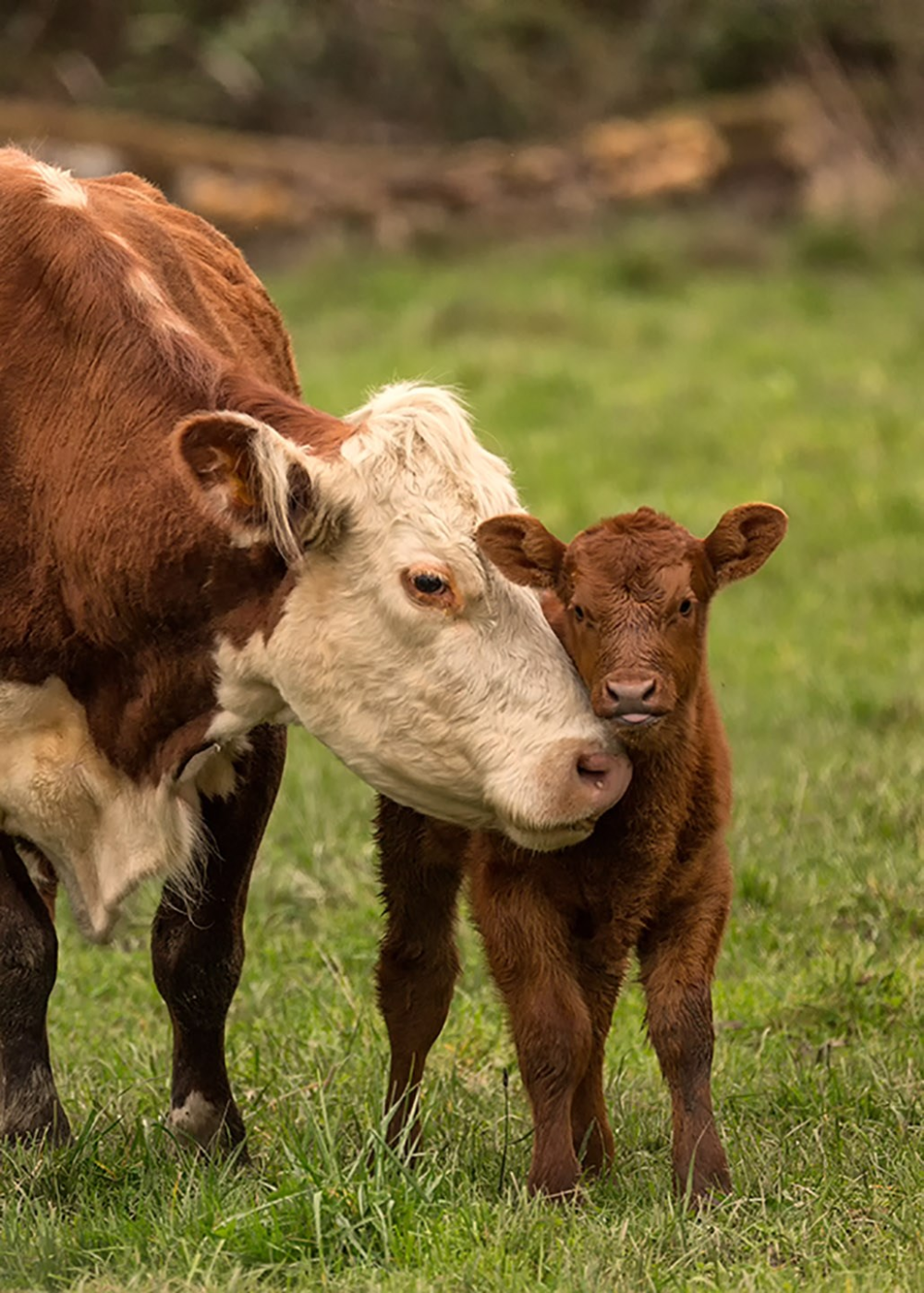
Cow and Calf: Birth, Bonding, Feeding, and Early Development
A calf is a young bovine, while a cow is an adult female that has calved.
Cow, calf, and heifer
A heifer is a young female that has not yet calved. These terms describe age and reproductive history rather than different species, and they apply across many dairy and beef breeds.
The first hours after birth
Newborn calves need prompt assessment of breathing, temperature, and vigor. Colostrum provides important antibodies because the bovine placenta does not transfer maternal antibodies to the fetus in the same way as in humans. Timing, quality, and adequate intake should be managed with veterinary or extension guidance.
Bonding and early growth
Calves may be reared with their dams or in other carefully managed arrangements, depending on system. Each approach brings specific nutrition, welfare, disease-monitoring, and social-development considerations. Clean, dry resting areas, safe feeding, and early observation are essential regardless of the chosen system.
Weaning is a transition
Weaning should account for body condition, solid-feed intake, stress, and the calf’s age rather than a calendar date alone. Abrupt changes can affect welfare and health. Observe appetite, hydration, fecal consistency, and behavior, and refer concerning symptoms to a veterinarian.
Development is more than growth rate
A thriving calf should show alert behavior, appropriate feeding, and normal movement, alongside weight gain. Successful early management also supports immune protection, thermoregulation, and later social behavior. Calf housing and cow–calf contact are actively discussed welfare topics, with outcomes influenced by husbandry details. A useful comparison includes maternal health, calf comfort, disease risk, and social needs rather than treating one farm practice as automatically humane or inhumane.
Reading breed and husbandry claims carefully
Breed names describe ancestry or selection history, not a promise about any individual animal. Climate, nutrition, breeding values, health, and handling influence outcomes. Where a practice affects animal health or reproductive welfare, consult a veterinarian or qualified extension specialist rather than using a general explainer as a protocol.
Separating biology from management decisions
A breed description, sex term, or production concept is not a substitute for a farm-specific plan. Genetics, age, body condition, feeding, climate, and welfare standards can alter outcomes. Measurements and records are more informative than dramatic photographs or an isolated claim about performance. Whenever a decision may involve surgery, reproductive intervention, milk handling, or a sick animal, seek a qualified veterinarian or extension professional and use current official guidance.
Frequently asked question
What is the difference between a calf and a heifer?
A calf is a young bovine; a heifer is a female bovine that has not yet calved.
Related guides
How Dairy Animals Are Milked • Simmental Cattle • Dairy Cows
