Conure Birds: Groups, Behavior, and Wild Habitats
Conure Birds. Differentiate broad conure groups from individual pet-care pages and include.
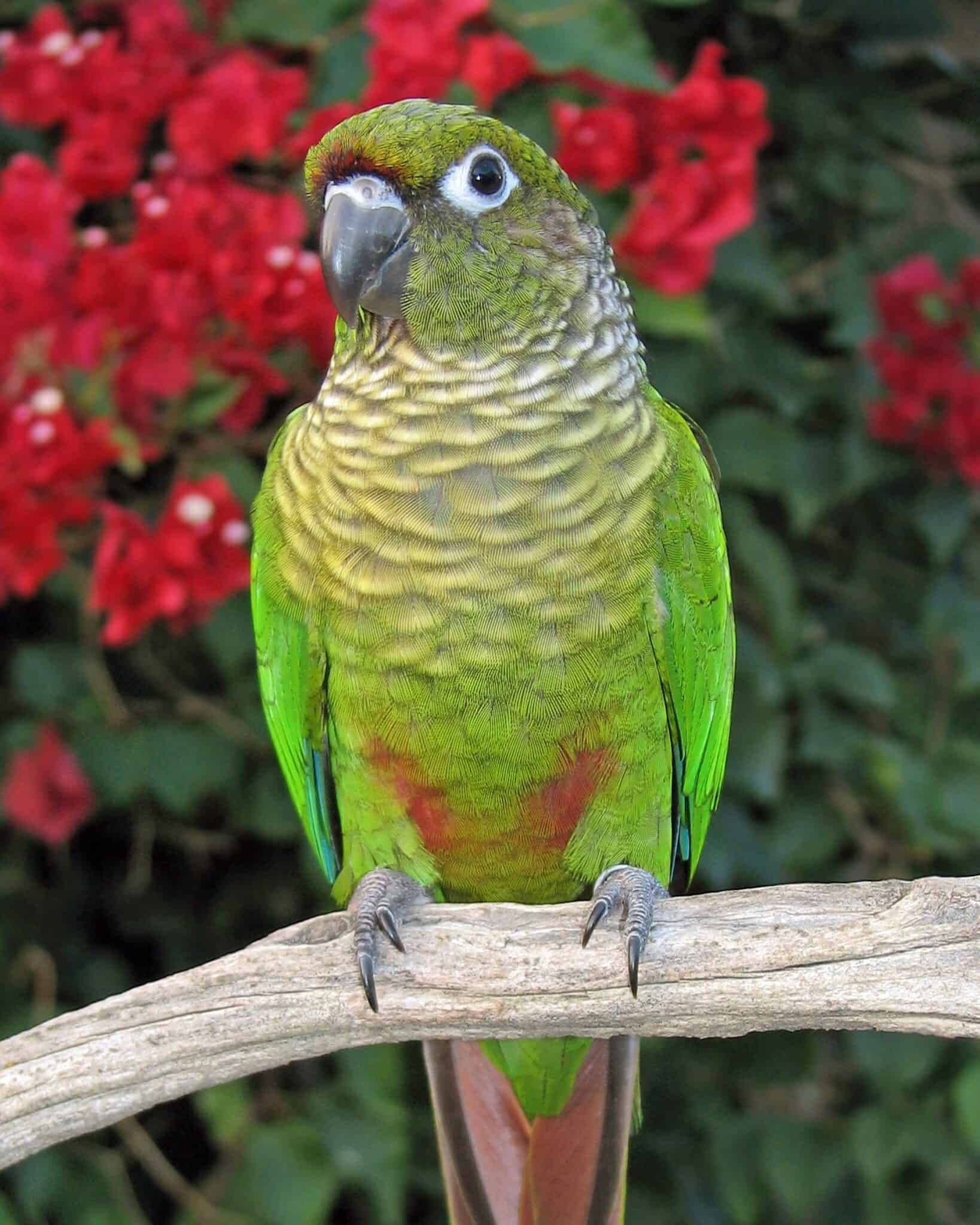
Conure Birds: Groups, Behavior, and Wild Habitats
Conure is a broad avicultural name applied to various small or medium-sized New World parrots, including some species in the genera Aratinga, Pyrrhura, and others.
Conure is a common name
It is not a single scientific genus. A sun conure and a green-cheeked conure differ markedly in appearance, calls, and wild ecology.
Wild ranges and social behavior
Different conure species occur in forests, woodlands, and other habitats across Central and South America. Many communicate through loud contact calls and form social groups. Their natural diets can include fruit, seeds, flowers, and other plant foods, depending on species and season.
Beaks, feet, and intelligence
Conures have hooked bills for manipulating food and climbing, and zygodactyl feet with two toes forward and two backward. Play and exploration are part of their behavior. Keeping them in captivity raises long-term welfare questions involving flight, social contact, enrichment, noise, and veterinary care.
Conservation and identification
Because “conure” covers multiple species, conservation status cannot be assigned to the group as a whole. Some species face habitat loss or trapping pressures. Reliable identification uses species-level field marks, geography, vocalizations, and current taxonomy rather than a retailer’s broad label.
Why species labels matter
A trade label such as “conure” can describe parrots with very different natural ranges and social environments. The familiar sun conure has bright yellow and orange coloration, while green-cheeked conures are typically smaller and more muted in color. These differences are more than cosmetic: conservation assessments, ecology, and captive welfare needs must be addressed at species level. Educational writing should avoid the claim that all conures talk, behave identically, or thrive under one universal care schedule.
What a useful field note records
When observing birds or insects, write down location, season, appearance, food source, and behavior. Those details often separate similar-looking species and life stages. If an animal is being managed in captivity or on a farm, welfare and hygiene requirements need their own expert guidance; wild behavior is not a ready-made care plan.
From life history to responsible observation
An animal may behave differently as an egg, larva, juvenile, or adult, and seasonal changes may affect how easy it is to see. A species described as beneficial in one setting can be a pest or prey item in another. Use photographs and field notes without disturbing nests, colonies, or habitat. Where keeping or feeding animals is involved, follow the guidance appropriate to that exact species and local rules, not a general wildlife description.
Frequently asked question
Is a conure one species?
No. The name covers multiple New World parrot species, each with its own ecology and conservation concerns.
Related guides
Dark-Eyed Junco • Emu Bird • What Is a Chicken Gizzard? Anatomy, Function, and Digestion
