What Is a Chicken Gizzard? Anatomy, Function, and Digestion
What Is a Chicken Gizzard? Anatomy, Function, and Digestion. Explain muscular digestion and grit with labeled anatomy.
What Is a Chicken Gizzard? Anatomy, Function, and Digestion
The gizzard is a thick-walled part of the digestive tract that mechanically breaks down food.
A muscular grinding organ
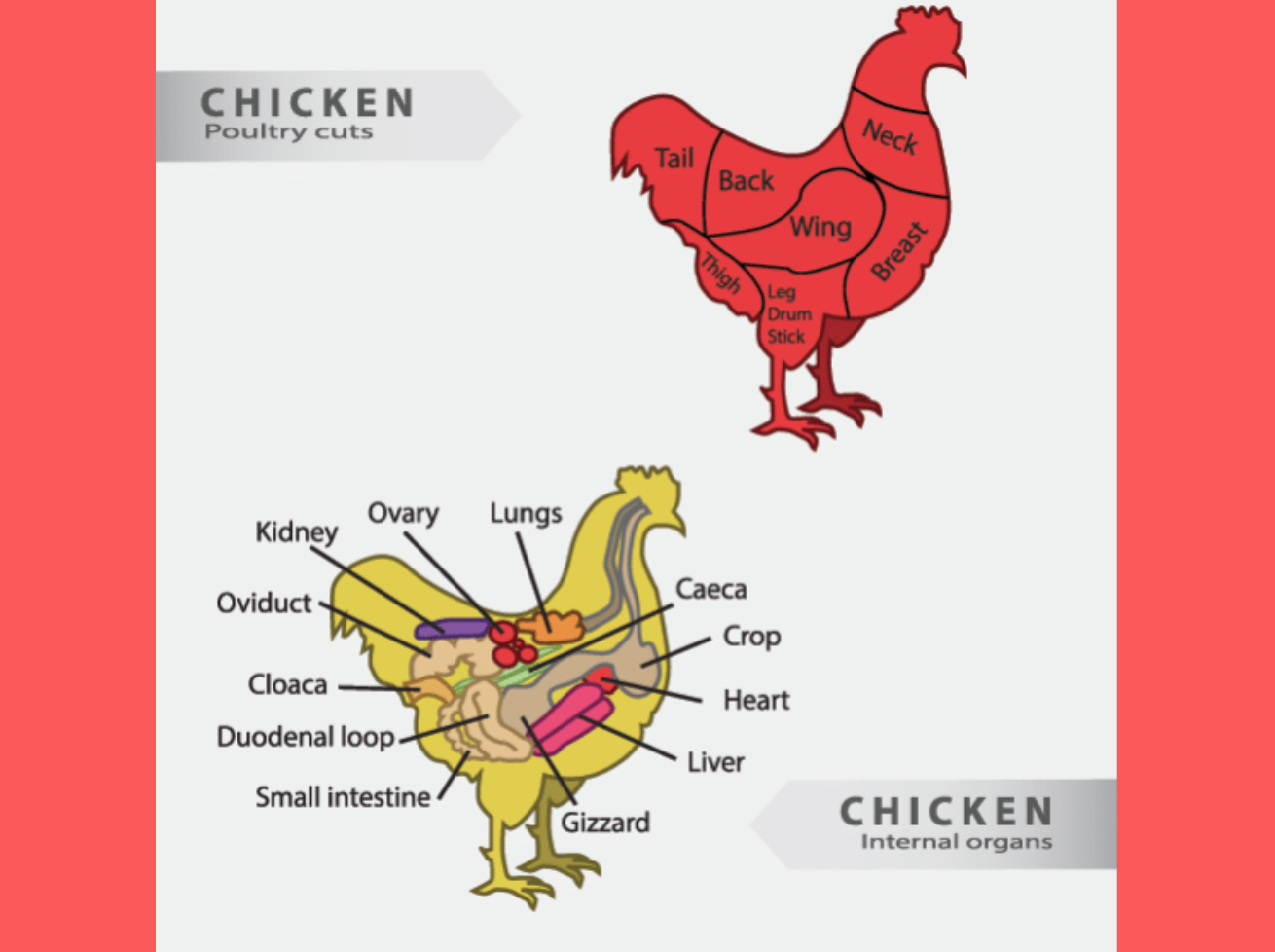
Chickens do not chew with teeth. Food passes from the crop through the glandular stomach, or proventriculus, before reaching the gizzard, where strong muscular contractions help grind it.
Why grit sometimes helps
Chickens may swallow small hard particles called grit, which can assist the gizzard in crushing coarse grains or other fibrous material. Birds eating commercially complete feed may have different grit needs from free-ranging birds eating whole seeds. Grit is not the same thing as oyster-shell calcium supplements.
The digestive route
After the gizzard, digested material enters the small intestine for much of its nutrient absorption. Paired ceca play a role in microbial fermentation before waste exits through the cloaca. The gizzard is therefore one part of an integrated system, not a storage sack for swallowed stones.
What people see when preparing poultry
The edible gizzard is a muscular organ commonly sold with giblets. It should be cleaned and cooked as poultry, with ordinary food-safety precautions. Its toughness comes from muscular tissue, which explains why cooking methods differ from those used for tender breast meat.
Understanding food movement
A crop may temporarily hold swallowed food, but the gizzard performs strong physical grinding. Gastric secretions from the proventriculus and the action of the gizzard work together before food moves into the intestine. Hard particles can aid grinding in some diets; they are not a replacement for a balanced feed. If a chicken stops eating or seems distressed, a care assessment requires examining the whole bird. One cannot diagnose a crop or gizzard problem from the mere presence of grit.
What a useful field note records
When observing birds or insects, write down location, season, appearance, food source, and behavior. Those details often separate similar-looking species and life stages. If an animal is being managed in captivity or on a farm, welfare and hygiene requirements need their own expert guidance; wild behavior is not a ready-made care plan.
From life history to responsible observation
An animal may behave differently as an egg, larva, juvenile, or adult, and seasonal changes may affect how easy it is to see. A species described as beneficial in one setting can be a pest or prey item in another. Use photographs and field notes without disturbing nests, colonies, or habitat. Where keeping or feeding animals is involved, follow the guidance appropriate to that exact species and local rules, not a general wildlife description.
Frequently asked question
Is grit the same as the gizzard?
No. The gizzard is a muscular organ; grit is hard material that can assist mechanical grinding.
