Emu Bird: Habitat, Diet, Behavior, and Reproduction
Emu Bird. Differentiate emus from ostriches and cassowaries; outline ratite.
Emu Bird: Habitat, Diet, Behavior, and Reproduction
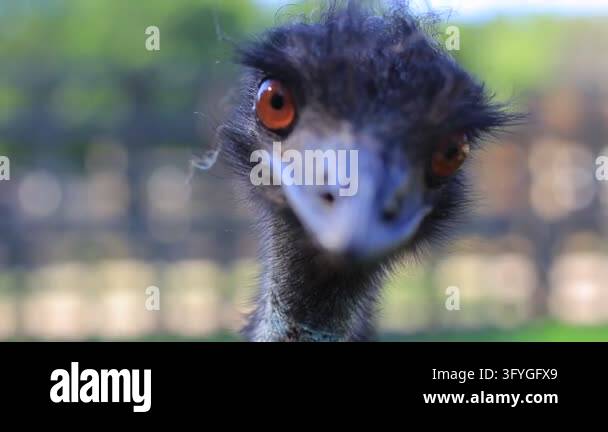
The emu, Dromaius novaehollandiae, is a large flightless bird native to Australia.
An Australian flightless bird
It has long powerful legs, a relatively small head, and shaggy-looking feathers. Unlike an ostrich from Africa, an emu has three toes on each foot; the two species belong to different lineages of flightless birds.
Habitat and foraging
Emus use grassland, scrub, and open woodland habitats, moving in response to rainfall and food availability. They feed on a mixture of plant matter, seeds, fruits, and small invertebrates. Their diet is opportunistic rather than restricted to one crop or grass type.
An unusual parenting pattern
Male emus typically incubate the clutch and care for the chicks after hatching. During incubation, the male may eat little and remain near the nest for extended periods. Emu eggs are conspicuously dark green, but egg color alone is not a good way to identify a bird seen in the field.
Space and welfare
Emus are fast runners and powerful wild-type birds, not oversized domestic chickens. They require species-appropriate containment, space, safety procedures, and professional husbandry knowledge if kept legally in managed facilities. Human contact should never be encouraged merely for dramatic photographs.
Flightless does not mean defenseless
Emus cannot fly, but they are agile runners with powerful legs. Their size and speed allow them to move widely across open landscapes. Unlike birds that fly from one small branch to another, they use ground-based movement to escape danger and find food. In a managed setting they can injure themselves or people if crowded or frightened. Their breeding habits and need for space are important reasons not to present them as ordinary backyard poultry.
What a useful field note records
When observing birds or insects, write down location, season, appearance, food source, and behavior. Those details often separate similar-looking species and life stages. If an animal is being managed in captivity or on a farm, welfare and hygiene requirements need their own expert guidance; wild behavior is not a ready-made care plan.
From life history to responsible observation
An animal may behave differently as an egg, larva, juvenile, or adult, and seasonal changes may affect how easy it is to see. A species described as beneficial in one setting can be a pest or prey item in another. Use photographs and field notes without disturbing nests, colonies, or habitat. Where keeping or feeding animals is involved, follow the guidance appropriate to that exact species and local rules, not a general wildlife description.
Frequently asked question
Is an emu an ostrich?
No. Both are large flightless birds, but they are different species from separate lineages and continents.
Related guides
What Is a Chicken Gizzard? Anatomy, Function, and Digestion • Chicken Eggs Explained • Goose Eggs
