Crane Flies (Tipulidae): Identification, Larvae, and Common Myths
Crane Flies (Tipulidae). Clarify that adult crane flies are not giant mosquitoes and larvae vary by.
Crane Flies (Tipulidae): Identification, Larvae, and Common Myths
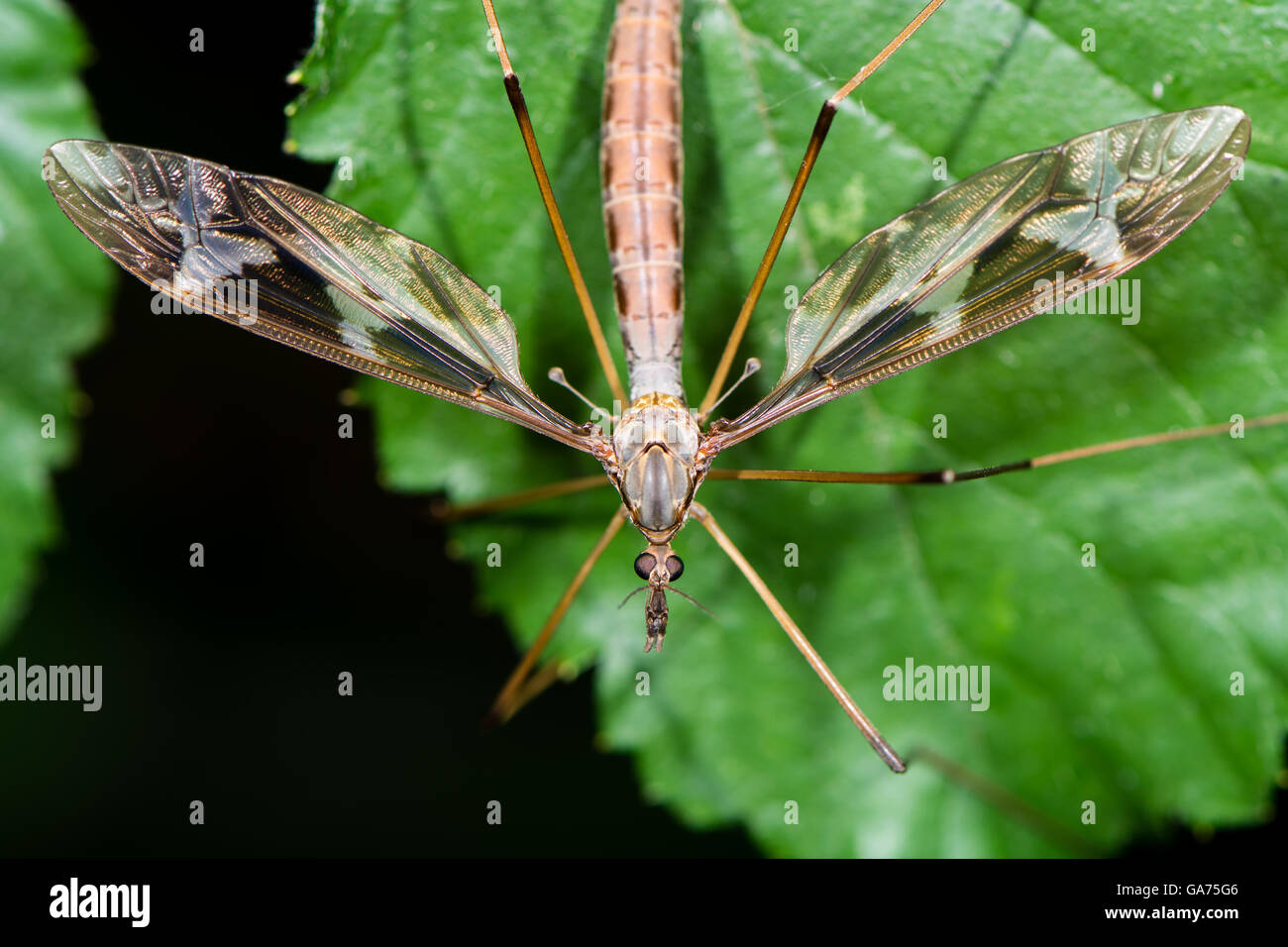
Crane flies are slender, long-legged flies, many belonging to the family Tipulidae.
Crane flies are not giant mosquitoes
Their fragile legs and slow-looking flight can make them seem like oversized mosquitoes. Adult crane flies do not use mosquito-like piercing mouthparts to feed on human blood.
A hidden larval life
Crane fly larvae often live in soil, leaf litter, streams, or other damp habitats depending on species. Some terrestrial larvae are called leatherjackets and feed on decaying organic matter or plant roots. Others are predators or have different diets, so lawn damage is not universal.
Why adults appear near lights
Adults often emerge seasonally and are attracted to illuminated windows or porches. A short adult life may revolve around reproduction more than feeding. The appearance of several large flies after rainfall does not automatically identify a lawn infestation.
Identifying and responding
For accurate identification note wing veins, body structure, habitat, and where larvae were found. Most crane flies should simply be left alone. If turf damage is suspected, identify larvae and confirm the cause before treating a lawn; indiscriminate pesticide use can harm beneficial insects.
A mistaken pest diagnosis can be costly
The presence of adult crane flies around a porch does not prove that larvae are damaging nearby turf. Many species have larvae that live in wetlands or stream edges instead. Even in lawns, poor grass health can result from drought, compaction, disease, or other insects. Sampling and identifying larvae before treatment prevents unnecessary pesticide exposure. If the insect is harmless, the most sensible response is usually to let it complete its short adult life.
What a useful field note records
When observing birds or insects, write down location, season, appearance, food source, and behavior. Those details often separate similar-looking species and life stages. If an animal is being managed in captivity or on a farm, welfare and hygiene requirements need their own expert guidance; wild behavior is not a ready-made care plan.
From life history to responsible observation
An animal may behave differently as an egg, larva, juvenile, or adult, and seasonal changes may affect how easy it is to see. A species described as beneficial in one setting can be a pest or prey item in another. Use photographs and field notes without disturbing nests, colonies, or habitat. Where keeping or feeding animals is involved, follow the guidance appropriate to that exact species and local rules, not a general wildlife description.
Frequently asked question
Do crane flies eat mosquitoes?
The claim that all crane flies are mosquito predators is a myth; larval and adult diets vary.
