Waxworms: What They Are, Life Cycle, and Ecological Role
Waxworms. Distinguish wax moth larvae from mealworms and describe feeding ecology, managed.
Waxworms: What They Are, Life Cycle, and Ecological Role
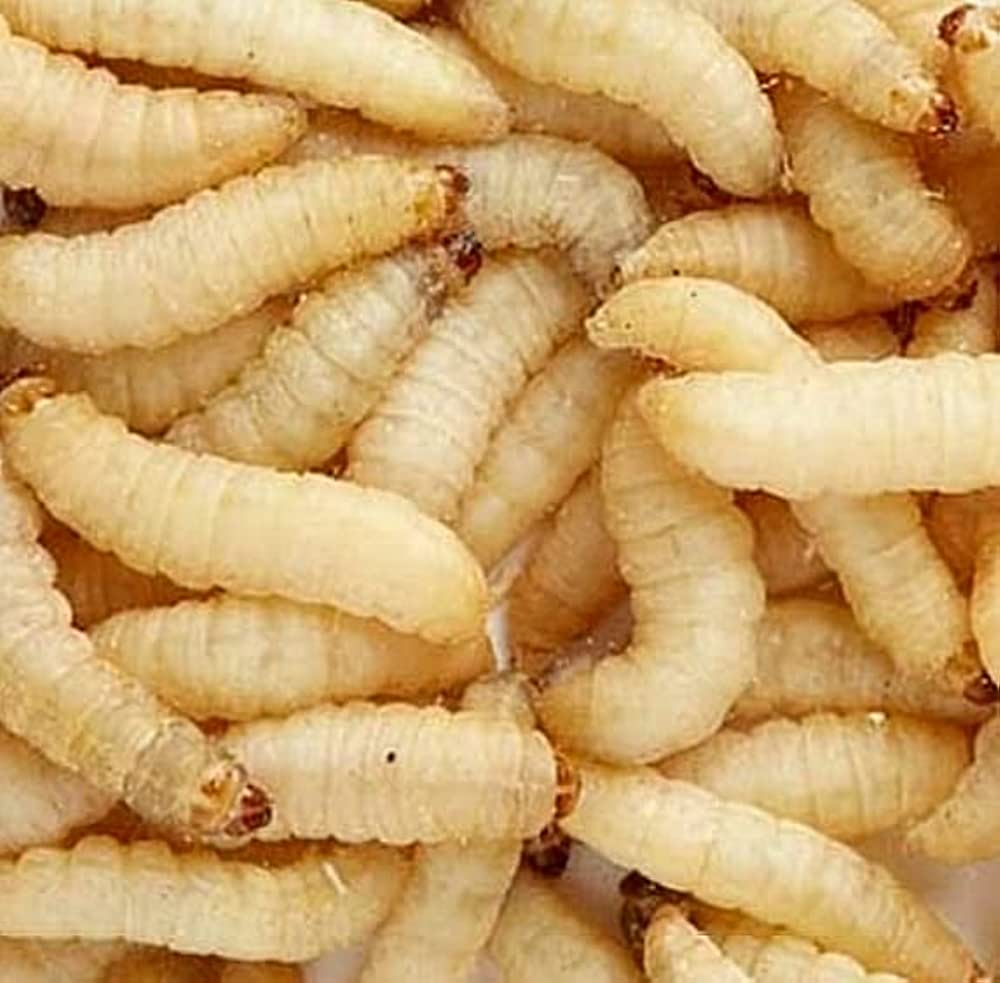
Waxworms are caterpillars of wax moths, commonly the greater wax moth, Galleria mellonella, or related species.
What waxworms really are
They are insect larvae, not true worms. In nature they can exploit honeybee comb material, especially in weakened or improperly stored combs.
Life cycle and appearance
The moth lays eggs, larvae feed and grow, and mature larvae spin silk-like material before pupating. They may tunnel through combs and leave webbing that damages equipment. Temperature and available food affect growth, so there is no universal development schedule for every waxworm batch.
In beekeeping systems
Wax moths are often secondary pests: strong honeybee colonies usually defend their combs more effectively than weak colonies or unattended stored equipment. Good storage, inspection, and hive health are central to management. A colony with wax moth damage may have another underlying stressor.
As feeder insects
Waxworms are also sold as feeder insects for reptiles and some captive birds. They are relatively energy-rich and should not automatically be treated as a complete staple diet. Captive-animal nutritional choices should follow species-specific veterinary or qualified husbandry advice.
The same insect in two settings
To a beekeeper, wax moth larvae may indicate damaged comb or stored equipment that needs attention. To a reptile keeper, commercially raised waxworms may be offered as occasional food under a species-appropriate feeding plan. Those situations require different recommendations. Treating the larvae only as pests or only as nutritious feeders misses the ecological context. The goal is accurate identification and safe management, not indiscriminate killing or promotion of a high-fat feeder insect as a complete diet.
What a useful field note records
When observing birds or insects, write down location, season, appearance, food source, and behavior. Those details often separate similar-looking species and life stages. If an animal is being managed in captivity or on a farm, welfare and hygiene requirements need their own expert guidance; wild behavior is not a ready-made care plan.
From life history to responsible observation
An animal may behave differently as an egg, larva, juvenile, or adult, and seasonal changes may affect how easy it is to see. A species described as beneficial in one setting can be a pest or prey item in another. Use photographs and field notes without disturbing nests, colonies, or habitat. Where keeping or feeding animals is involved, follow the guidance appropriate to that exact species and local rules, not a general wildlife description.
Frequently asked question
Are waxworms earthworms?
No. They are moth caterpillars, and their ecological role differs from that of soil earthworms.
