Drone Bees: The Role of Male Honey Bees in a Colony
Drone Bees. Clarify male honey bee anatomy, mating and difference from workers and.
Drone Bees: The Role of Male Honey Bees in a Colony
A drone is a male honey bee.
The male honey bee
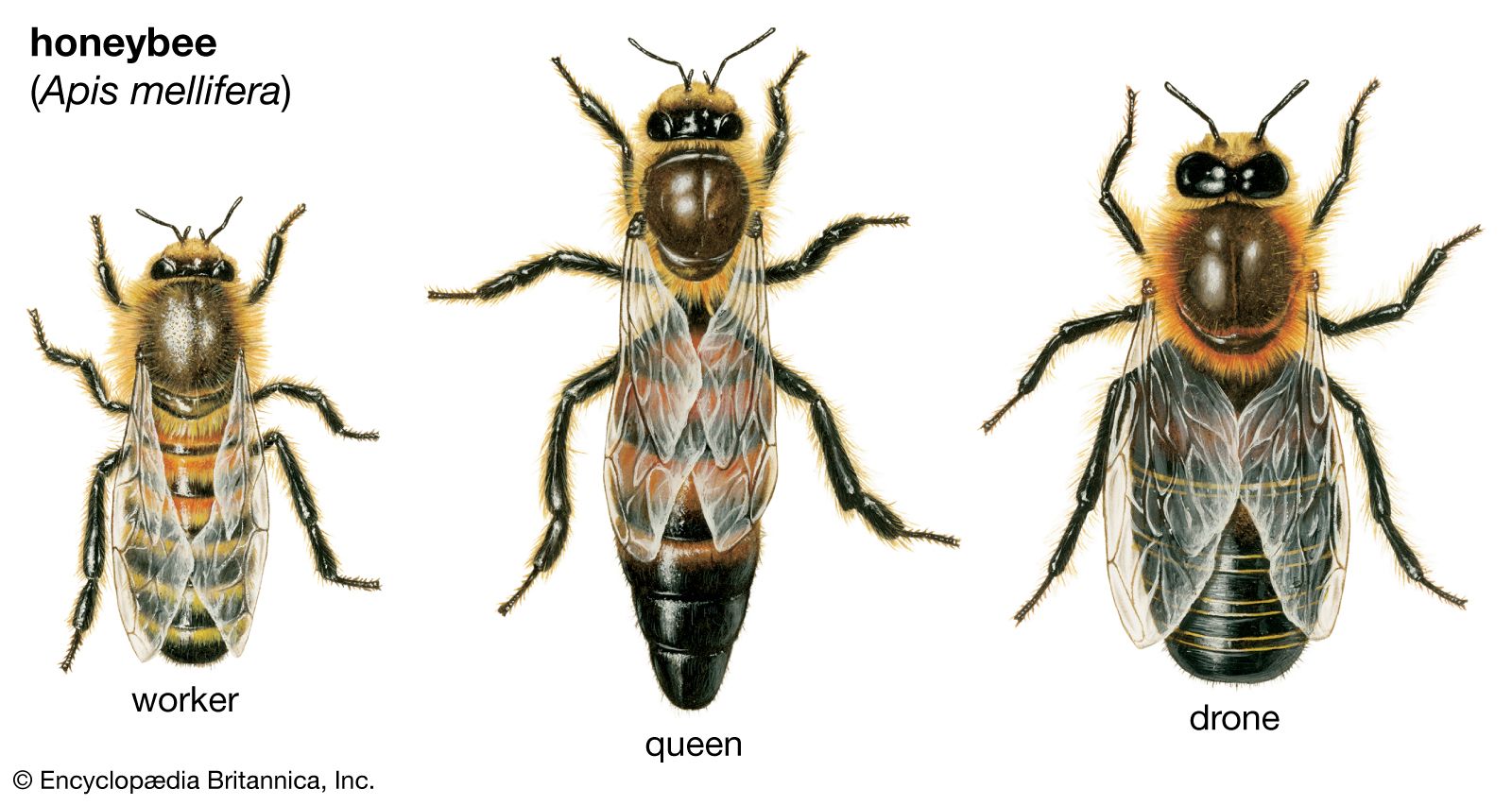
Drones develop from unfertilized eggs in a haplodiploid reproductive system, so they carry one set of chromosomes. Their large eyes and stockier bodies help distinguish them from many female workers, although close identification still requires care.
What drones do
The drone’s primary biological role is mating with a queen during flight. Drones do not collect pollen as workers do, and they lack the worker’s functional sting. This is why calling a drone a “lazy worker” misunderstands the colony’s division of reproductive and maintenance roles.
How colonies regulate drones
Colonies rear drones when resources and season support reproduction. Workers may restrict or expel drones when conditions deteriorate, including as winter approaches in temperate areas. The number present depends on colony needs, weather, genetics, and local management.
Drones versus queens and workers
Queens are reproductive females; most workers are females that forage, build, clean, and nurse brood. Drones contribute genetically to future colonies by mating with queens. Their presence alone does not prove a hive is healthy, and an unusual quantity of drone brood can require a beekeeper’s diagnosis.
What a colony needs from drones
Honey bee colonies invest energy in drones mainly during times favorable for reproduction. Large drone eyes help locate queens during mating flights, but drones are not responsible for collecting pollen or guarding the entrance. Workers still manage colony food, temperature, and much brood care. If a beekeeper sees extensive drone comb, the explanation could be routine seasonal reproduction or a colony-management issue. Proper diagnosis considers the queen, worker brood pattern, season, and overall colony condition.
What a useful field note records
When observing birds or insects, write down location, season, appearance, food source, and behavior. Those details often separate similar-looking species and life stages. If an animal is being managed in captivity or on a farm, welfare and hygiene requirements need their own expert guidance; wild behavior is not a ready-made care plan.
From life history to responsible observation
An animal may behave differently as an egg, larva, juvenile, or adult, and seasonal changes may affect how easy it is to see. A species described as beneficial in one setting can be a pest or prey item in another. Use photographs and field notes without disturbing nests, colonies, or habitat. Where keeping or feeding animals is involved, follow the guidance appropriate to that exact species and local rules, not a general wildlife description.
Frequently asked question
Can a drone honey bee sting?
A drone lacks a functional sting; defensive stinging is performed by female workers.
