Dairy Cows: Breeds, Lactation, Welfare, and Farming Systems
Dairy Cows. Explain milk production, cow welfare, breed differences, and management.
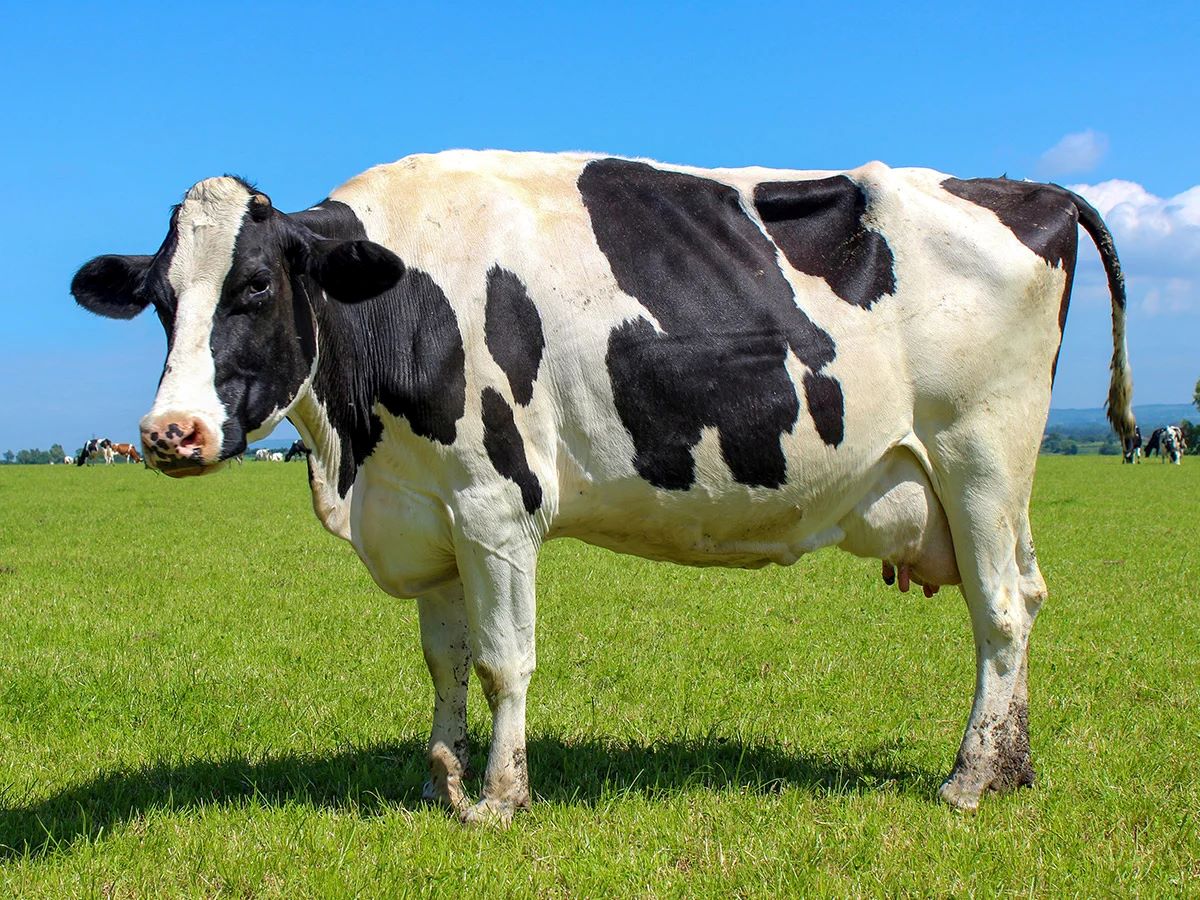
Dairy Cows: Breeds, Lactation, Welfare, and Farming Systems
A dairy cow is a domesticated female bovine managed for milk production.
What makes a cow a dairy cow?
Dairy breeds and breeding lines differ in size, milk components, climate tolerance, and physical traits. Milk production begins after calving; it is a biological lactation process, not a permanent state of a cow’s body.
From calving to lactation
Following birth, the mammary gland produces colostrum before transitioning to milk. Output changes over the lactation cycle and with feed, health, and management. Dry periods are used between lactations in many systems. A high daily yield is not, by itself, evidence that a cow has good welfare.
Systems and welfare questions
Dairy farms use varied housing and grazing arrangements. Sound welfare management considers mobility, hoof health, udder health, lying comfort, heat stress, social behavior, clean water, and feeding access. Management approaches have tradeoffs; systems should be assessed against animal-based outcomes rather than labels alone.
Different purposes and breeds
Holstein cattle are well known in US dairy production, while Jerseys are smaller and often associated with high milk-component concentrations. Some breeds are dual-purpose for milk and meat. Genetics matter, but nutrition, climate, and veterinary oversight influence whether a given herd performs well.
Why milk yield is not a welfare score
Two cows with similar daily milk output can differ markedly in lameness, feeding comfort, udder health, or heat stress. Likewise, a lower-producing breed can be well suited to a hot climate or grass-based system. Cow-level measurements, veterinary records, and consistent monitoring give a fuller picture. Readers evaluating dairy systems should ask whether the animals can rest, walk, eat, and behave comfortably, not simply how many gallons a breed can produce.
Reading breed and husbandry claims carefully
Breed names describe ancestry or selection history, not a promise about any individual animal. Climate, nutrition, breeding values, health, and handling influence outcomes. Where a practice affects animal health or reproductive welfare, consult a veterinarian or qualified extension specialist rather than using a general explainer as a protocol.
Separating biology from management decisions
A breed description, sex term, or production concept is not a substitute for a farm-specific plan. Genetics, age, body condition, feeding, climate, and welfare standards can alter outcomes. Measurements and records are more informative than dramatic photographs or an isolated claim about performance. Whenever a decision may involve surgery, reproductive intervention, milk handling, or a sick animal, seek a qualified veterinarian or extension professional and use current official guidance.
Frequently asked question
Does a cow produce milk before having a calf?
Milk production is tied to reproductive physiology and begins following calving.
Related guides
How Dairy Animals Are Milked • Cow and Calf • Simmental Cattle
