Dart Frog Terrarium: A Safe Planted Vivarium Setup
Explore enclosure planning for dart frogs, including ventilation, moisture control, drainage, water quality and species-specific bioactive maintenance.
Dart Frog Terrarium: A Safe Planted Vivarium Setup
A dart frog terrarium is a carefully managed, humid, planted enclosure, not simply a sealed glass tank filled with moss. Species differ in size, moisture preference and behavior, so research the exact frog before setting a target. Amphibian skin is sensitive to contaminants, which makes water quality and material screening especially important.
Identify the species and plan the enclosure First confirm the scientific name and whether the animals are captive bred. Match adult floor use, height, ventilation, hiding spots and feeding needs to that species. Some dart frogs are primarily terrestrial, while others use vertical structures extensively. Avoid mixing unrelated species or assuming that two bright frogs will tolerate each other. An animal enclosure must allow you to observe, clean and intervene without dismantling a jungle of décor.
Use a secure, escape-resistant enclosure with controlled ventilation. Small insects and juvenile frogs can slip through gaps around cable ports or loose mesh. Fine ventilation can preserve airflow, but no single opening pattern is right for every room. Include leaf litter, stable retreats and plant cover that let frogs move out of view when stressed.
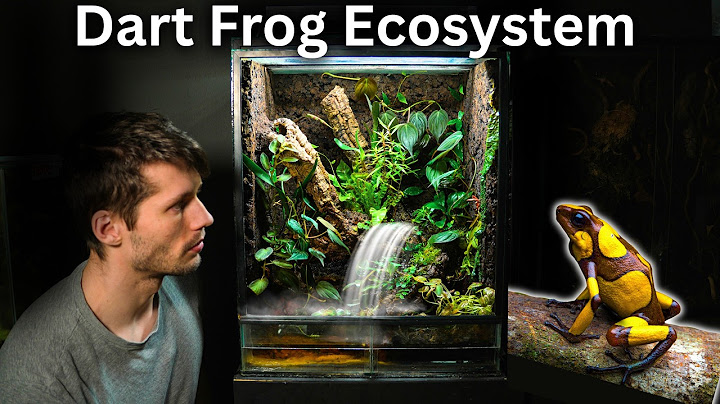
Moisture without dirty standing water A humid environment is not the same as waterlogged substrate. Choose a substrate and drainage approach that supports roots while avoiding stagnant pools where debris accumulates. If you use a false bottom, plan how accumulated water will be inspected and removed. In a small vivarium, plants and cork may hide problems until smell or fungus becomes obvious. Provide airflow while retaining the humidity appropriate to the actual species.
Measure conditions using instruments located where the frogs spend time, and observe the enclosure after misting. A system that stays dripping wet without drying at all can develop oxygen-poor soil. Never rely on a misting controller alone without checking the water reservoir, nozzle function and drainage.
Water and chemical exposure matter Amphibians absorb substances across their skin. Merck Veterinary Manual highlights the importance of species-appropriate aquatic conditions and careful hygiene in amphibian housing. Use a reliable method to prepare water suitable for the frogs, accounting for disinfectants and other local water-treatment chemicals. Do not assume that leaving tap water out automatically removes every modern disinfectant.
Keep hand lotions, cleaning sprays, scented products and yard pesticides out of the enclosure. Avoid handling frogs unless necessary; when handling is unavoidable, follow amphibian-safe hygiene advice rather than touching them with bare, soapy or lotion-coated hands. Plant cuttings from treated stores also need screening. Contaminated substrate is not made safe by adding springtails.
Plants, floor layers and cleanup organisms Choose sturdy, humidity-tolerant plants without sharp edges and confirm that their treatment history is acceptable. Leaf litter creates visual cover and feeds a decomposer network. Use microfauna species appropriate to the humidity and animal species; research whether larger isopods may compete with tiny frogs or prey on eggs. A planted enclosure still needs feces and dead feeders removed when visible.
Place heavy backgrounds, branches and stones so they cannot tumble or trap frogs. Avoid deep open water unless the specific frog's husbandry genuinely requires it and escape routes are engineered. A 'paludarium' with a broad aquatic section is a different design, and may create drowning or sanitation risks for species that need primarily terrestrial ground.
Monitor the frogs, not only the plants Keep notes on appetite, body condition, activity, skin appearance, humidity changes and any persistent odor. Watch for pests, mold outbreaks, clogged drains and feeder escape. If frogs become lethargic, develop skin changes or stop eating, contact a veterinarian familiar with amphibians. Avoid treating the enclosure with fish medications, household antifungals or insecticide simply because those products are available.
Explore related terrarium guides
Related reading: Bioactive Terrarium Setup: A Species-First Guide.
Related reading: Terrarium Substrate: Bioactive Soil Layers.
Related reading: Paludarium Setup: Planning Water and Land.
Frequently asked questions
Can every dart frog use the same humidity target?
No. Identify the exact species and use its care requirements rather than one number for all dart frogs.
Is tap water automatically safe for dart frogs?
No. Water-treatment chemicals and other contaminants must be considered using appropriate amphibian-care advice.
Do dart frogs need a deep pond?
Many primarily terrestrial setups do not. Deep water can create hazards if species suitability and escape routes are not carefully designed.
Will springtails remove every waste problem?
No. The keeper must still clean visible debris and monitor substrate and drainage.
Can I mix different dart frog species?
Avoid assuming compatibility. Species differences, stress, breeding and health risks require specialist review.
Animal-care note: This is educational husbandry guidance, not a diagnosis or a substitute for species-specific veterinary care.