Terrarium Substrate: Choosing Soil and Drainage by Habitat
Learn how bioactive terrarium substrate differs by tropical, arid and planted setups, including drainage, moisture, safety and cleanup crew needs.
Terrarium Substrate: Choosing Soil and Drainage by Habitat
Terrarium substrate is the material covering an enclosure floor and supporting roots, digging or decomposer organisms. The right substrate depends on the habitat: a humid tropical vivarium, a dry reptile enclosure and a decorative plant jar have different moisture, hygiene and physical requirements. There is no universal 'best bioactive soil' recipe.
Start by defining what the floor must do Ask whether the animal digs, whether plants need a root zone, how easily waste must be removed and what the enclosure should feel like after misting. A terrestrial lizard needs stable footing and suitable dry refuges; a tropical planted setup may need moisture-retaining soil that does not remain flooded; an arboreal gecko may contact the floor only occasionally but still relies on safe substrate hygiene.
Substrate is part of a larger environment. It cannot compensate for an unsafe temperature gradient, poor ventilation or inadequate UVB. Loose material may be appropriate in some well-maintained enclosures but should be chosen with a view to dust, ingestion, parasites and cleaning access.
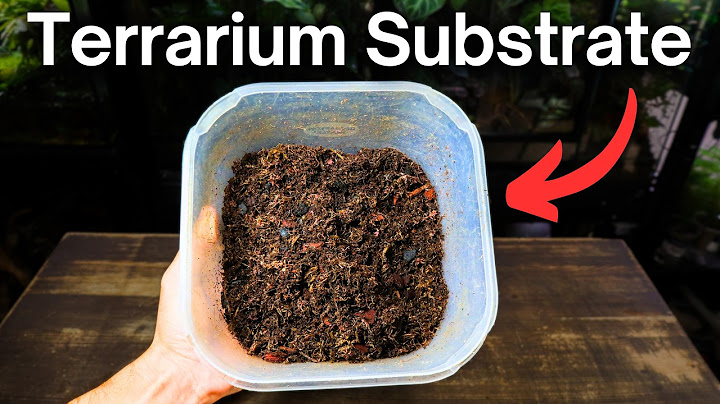
Humid tropical substrates and drainage Many tropical bioactive builds use a root-supporting, airy organic mix with leaf litter and a controlled water-management layer. A false bottom can separate standing drainage water from most of the soil, but only if it is maintained. Plan how to remove excessive collected water and inspect for odor. Saturation can leave roots oxygen-starved, foster unwanted microbial growth and make the habitat difficult to clean.
The barrier between soil and drainage media should resist mixing without blocking intended drainage. Plant roots, decomposers and the floor's usable depth should fit the species. Avoid sharp drainage stones where animals might dig to the bottom. A humid setup also needs ventilation rather than relying on a perpetually sealed enclosure.
Arid soil has different targets Arid reptile systems usually need a relatively dry upper surface and a stable, compactable material for natural movement or digging. Localized damp regions may serve plants, microfauna or humid hides without making the entire floor wet. Copying a tropical mix rich in continually damp fibers can create an unsuitable environment. A soil recipe that looks attractive online is not proof that it works for a particular species.
Test dustiness, drainage and how securely heavy furnishings remain supported. For a gecko or bearded dragon, review the animal-specific guide before choosing a loose mix. The animal's age, health and established feeding behavior can change the risk assessment.
Decorative plant jars are a separate case A closed bottle garden may use a small washed drainage layer, an appropriate rooting mix and moisture-loving small plants. It does not need animal hides, a basking gradient or UVB. It can be allowed to recycle water because there is no live reptile or amphibian producing waste. Avoid applying that sealed-jar logic to an animal vivarium.
Open succulents need a different root environment from slow-growing tropical foliage. In both cases, match the substrate to the plants and the container rather than pouring in the same premixed bag for every terrarium project.
Screen ingredients and maintain a clean floor Avoid soil with pesticides, fertilizer pellets, manure, strong wetting agents, dyed decorative particles or other additives of uncertain safety around animals. Garden soil taken from outside may introduce pests and contaminants. Merck Veterinary Manual discusses substrate and hygiene as parts of reptile husbandry and advises that waste be removed as it appears. Do not let the phrase 'cleanup crew' become an excuse to leave feces or uneaten feeders in the tank.
Watch for sour smells, persistently wet corners, excessive dust, loose rocks or changes in the animal's skin, appetite and behavior. Correct the underlying cause when substrate fails rather than merely adding another layer on top.
Explore related terrarium guides
Related reading: Bioactive Terrarium Setup: A Species-First Guide.
Related reading: Leopard Gecko Substrate: Safe Bioactive Soil.
Related reading: Best Substrate for Bearded Dragons: Safer Options.
Frequently asked questions
Is one bioactive soil mix suitable for every terrarium?
No. Tropical plants, arid reptiles and sealed decorative jars need different moisture and physical properties.
Does a drainage layer prevent overwatering?
No. It may collect excess water, which still needs monitoring or removal.
Can I use ordinary fertilized potting mix around reptiles?
Avoid mixes with uncertain fertilizers, pesticides or additives. Check animal-safe sourcing.
Do isopods make substrate maintenance unnecessary?
No. Remove visible waste, uneaten food and contaminated material.
Is loose substrate always unsafe?
Risk depends on species, age, health, particles and enclosure conditions; use appropriate husbandry guidance.