Paludarium Setup Guide: Separate Water and Land Safely
Plan a paludarium with land and aquatic zones, waterproof construction, access and species-specific water quality requirements.
Paludarium Setup Guide: Separate Water and Land Safely
A paludarium combines land and water zones in a single enclosure. It is more complex than a dry terrarium or ordinary aquarium because it must keep soil, water, electrical equipment and living organisms safely separated. Design the habitat around a specific animal or a planted-only concept before choosing a tank shape or adding waterfalls.
Choose the resident or choose plants only A planted paludarium can be a beautiful way to grow emergent and aquatic plants without keeping any vertebrates. If animals are involved, research whether the species truly uses both zones, can safely leave the water and has appropriate space on land. Not every frog, lizard or amphibian is a semi-aquatic animal. Avoid choosing species based solely on the visual appeal of a mixed display.
Do not mix reptiles, fish and amphibians simply because the enclosure contains water and soil. Their temperatures, water chemistry, diets and hygiene needs may conflict. Different animals can harass or consume each other; a combined ecosystem requires more research than multiple separate enclosures.
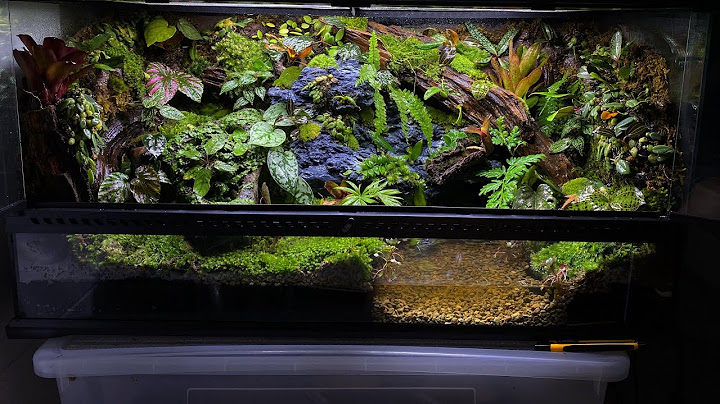
Sketch land area, water depth and escape routes Draw the intended shoreline, dry resting area, water depth, plant root zones and routes by which an animal could exit water. A shallow ledge is not a safe land substitute if a terrestrial frog cannot climb out reliably. Submerged pumps and hidden cavities should not trap small animals. Think about how water level changes from evaporation and how drainage water is collected.
The water and land zones have different loads. A heavy rock wall can crack a bottom panel if unsupported; wet soil and stones substantially increase total weight. Use a stand rated for a filled enclosure and establish structural supports before pouring in substrate.
Waterproofing and electrical separation Use materials and sealants appropriate for aquatic environments, allowing full curing according to manufacturer instructions before introducing plants or animals. Check seams for leaks and confirm that drainage fittings can be accessed. Position electrical outlets above potential spills, use drip loops on power cables and follow applicable electrical safety guidance, including suitable ground-fault protection in wet areas.
Any pump or heater must be accessible for maintenance and guarded so animals cannot touch moving or excessively hot parts. Do not bury power connections in wet substrate or seal a pump behind permanent décor with no way to clean it. Waterfalls can splash outside the enclosure and increase evaporation, requiring closer monitoring.
Filter water and understand cycling An aquatic zone needs water quality appropriate to the organisms that will inhabit it. Biological filtration may take time to establish. Testing parameters and treating local tap water correctly are essential when animals are present; do not assume that a clear pool is chemically safe. Amphibians are especially vulnerable to contaminants through their skin. Water preparation should account for the local disinfectant and species-specific needs.
Waterfalls are decorative movement, not a substitute for filtration or changes. Remove decaying leaves and uneaten feed before they overwhelm a small volume. A sump or drain can make maintenance easier, but it also introduces more plumbing connections that need leak checks.
Balance humidity with ventilation The land area may require moist growing media, while the water zone may continuously raise humidity. Measure conditions rather than sealing every vent. Condensation that never clears can be a sign of inadequate airflow. Plants should tolerate the chosen wetness without trapping an animal against slick walls or submerged cavities.
Secure lids, screen vents, cable holes and climbable backgrounds to prevent escapes. Check whether a small animal can enter and become trapped behind the background or near the filter intake.
Maintain both halves on purpose Keep a log of water tests, top-offs, plant trimming, filter care, animal health and any leak. Inspect dry areas for mold and wet areas for debris. If species requirements conflict, split the residents into suitable separate habitats. A paludarium is successful when both land and water remain safe over time, not when it merely resembles a miniature jungle.
Explore related terrarium guides
Related reading: Bioactive Terrarium Setup: A Species-First Guide.
Related reading: Dart Frog Terrarium: Humidity and Bioactive Setup.
Related reading: Vivarium Tanks: Glass, PVC and Habitat Design.
Frequently asked questions
Is a paludarium the same as a terrarium?
No. A paludarium deliberately contains both water and land zones, which adds aquatic maintenance and electrical safety considerations.
Can dart frogs live in any paludarium?
No. Species-specific terrestrial and aquatic needs must be checked; deep water can be hazardous.
Does a waterfall keep water clean?
No. Flow alone does not replace filtration, water testing or maintenance.
Can I mix frogs, fish and lizards together?
Avoid unresearched mixed-species setups; their welfare needs and interactions may be incompatible.
What is the first maintenance priority?
Check water quality, leaks, electrical safety, animal access and the condition of both land and water zones.
Animal-care note: This is educational husbandry guidance, not a diagnosis or a substitute for species-specific veterinary care.