Detritivores Explained: Examples and Their Role in Decomposition
Detritivores Explained. Define detritivores vs decomposers and contrast.
Detritivores Explained: Examples and Their Role in Decomposition
A detritivore is an organism that consumes dead organic material and associated particles.
What detritivores eat
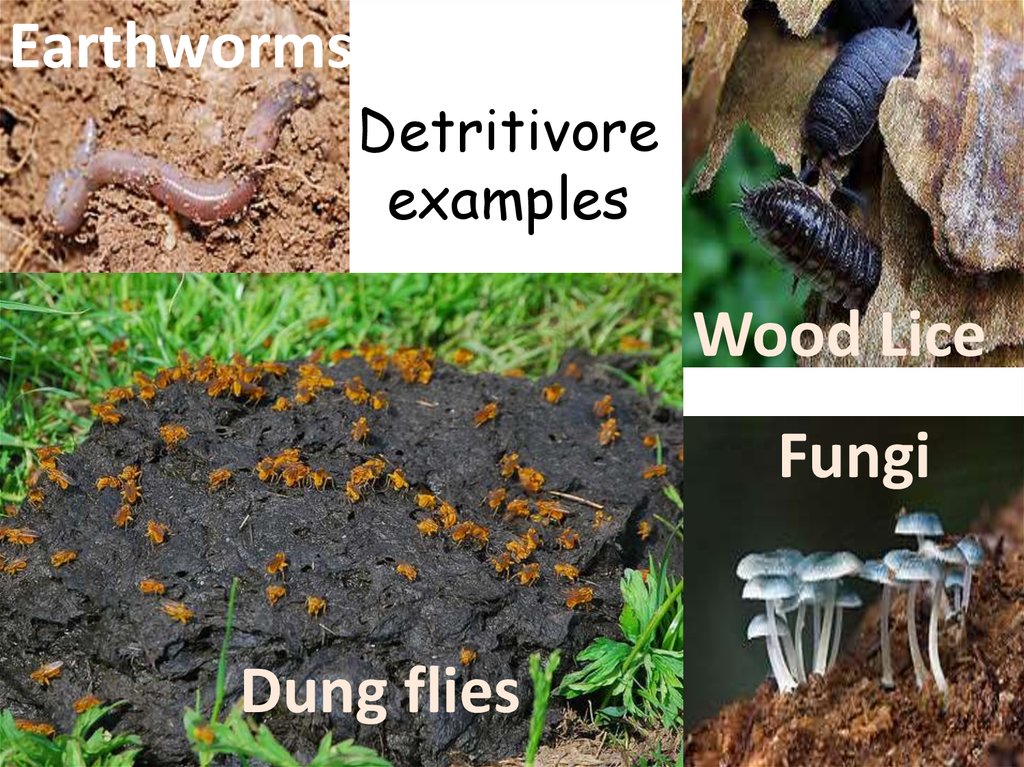
Earthworms, some woodlice, millipedes, and certain aquatic invertebrates are familiar examples. The definition concerns what an animal eats; detritivores occur in soils, streams, wetlands, and seafloors.
Detritivore versus decomposer
Detritivores physically ingest and fragment detritus, while decomposers such as bacteria and fungi break down organic compounds chemically. These activities interact closely. An earthworm helps expose material to microbes, but neither “all decomposers are worms” nor “worms do all decomposition” is true.
Food webs and soil
By shredding leaves and processing organic particles, detritivores help move carbon and nutrients through ecosystems. Their droppings can create material accessible to microbes and plants after further transformation. Temperature, moisture, pH, and soil disturbance affect which detritivore communities thrive.
Not the same as a scavenger
Scavengers often consume larger animal remains, while detritivores commonly process smaller particles of dead material. The distinction is practical rather than absolute: some organisms feed across categories. In ecological surveys, identify the organism and actual food source instead of assigning a role from appearance alone.
Following one fallen leaf
When a leaf lands on a forest floor, small invertebrates may chew it into fragments, fungi and bacteria continue breaking down complex compounds, and nutrients cycle through organisms and soil. The stages overlap rather than proceeding as a rigid assembly line. A detritivore helps by ingesting material; microbes carry out much chemical decomposition. This example makes the distinction useful, but it does not mean every earthworm species eats the same substrate or contributes equally in each environment.
How to apply the definition
Ecological terms are useful only when the observation fits the definition. Record scale, location, substrate, season, and the process being studied. A soil label may describe origin rather than texture; a species label may describe ecological function rather than permanent identity. Compare multiple clues before generalizing from one example.
Evidence, location, and scale
A named ecological process can be real without occurring in the same way in every location. Researchers compare observations across seasons, habitats, and methods, then explain uncertainty. Garden soils, river deposits, natural forests, and farms each have histories that influence the patterns people see. For practical land-use choices, combine the general concept with local data such as soil surveys, climate records, and relevant conservation or agricultural guidance.
Frequently asked question
Is a fungus a detritivore?
Fungi are usually described as decomposers; detritivores ingest pieces of dead organic matter.
Related guides
Pioneer Species • Generalist Species vs Specialists • Soil Layers Explained
