Dog Steps for Large Dogs: Width, Stability and Safe Access
Choose dog steps for larger dogs by checking tested weight ratings, tread width, frame support, grip and stable placement.
Dog Steps for Large Dogs: Width, Stability and Safe Access
Dog steps for large dogs need more than a high advertised weight limit. They must give a heavier, broader or longer-bodied dog room to put its paws down, move forward and descend without rocking the entire structure. A staircase that technically supports the dog's weight may still be too narrow, too short in the tread or too unstable at the edges.
Start with manufacturer-rated capacity, actual usable tread dimensions, frame construction and the furniture height. A large dog with arthritis, balance problems or recent surgery may find a ramp or assisted approach more appropriate than steps. Ask the treating veterinarian before introducing stairs when movement is restricted.
Start with body fit, not an oversized product label
"For large dogs" may refer to height, breed marketing, load rating or simply a wide-looking photo. Record the dog's current weight, approximate shoulder height, paw placement and the length of a comfortable step on level ground. Consider body length and turning space: a stocky dog and a tall, narrow-chested dog of equal weight may need different landing areas.
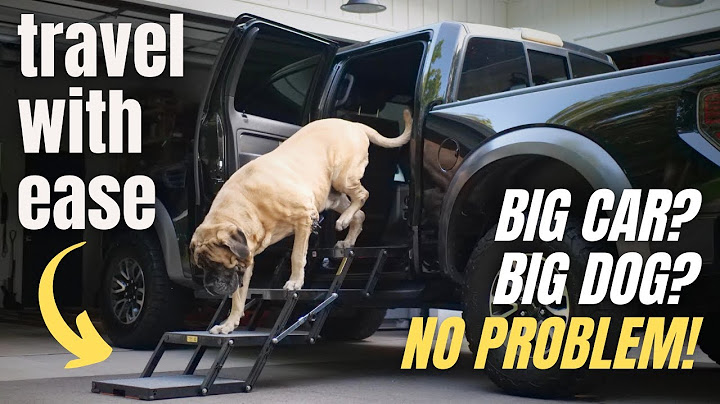
A large dog should not be forced to place paws along a narrow strip while balancing on the other legs. Check individual usable tread depth and width. Side rails can increase perceived guidance but may also narrow the walking surface. Compare dimensions from the product's actual diagram, not the total outside frame width. In a multistair design, each step must be usable, not just the bottom platform.
Interpret the weight rating correctly
A published maximum weight is a useful screening criterion, but its meaning depends on how the manufacturer tested and defined it. Check whether the rating is for pets, whether it applies to the fully assembled unit and whether any attachment, orientation or flooring limitations are specified. Do not interpret an unspecified number as proof of performance during rapid climbing or when a dog lands on a step off-center.
Dynamic use is not the same as a stationary load. A dog may shift weight abruptly while turning, stepping down or hesitating. Therefore, look for solid joints, broad floor contact and minimal side movement in addition to the published rating. Never "test" a pet stair by jumping on it yourself or exceeding the rated capacity. If the unit twists during ordinary supervised use, discontinue use and reassess.
Wide treads, manageable risers and traction
Large paws benefit from a clear, grippy landing area. A soft decorative cover that shifts when the dog moves can undermine an otherwise sound frame. On rigid platforms, check whether a tread pad is bonded or mechanically secured. A texture that looks rough in photographs may feel slick when wet or dusty; cleanliness and floor conditions matter.
The vertical spacing between steps should suit the dog's actual movement. Tall, athletic dogs and older dogs of the same size may have very different climbing comfort. Avoid generic claims that a particular rise in inches is medically safe. Observe whether the dog can put paws down calmly, keep its trunk controlled and change directions without hanging a paw over an edge.
Prevent tipping and sideways movement
The staircase should sit flat on a stable floor and approach the furniture squarely. Inspect the base footprint and foot materials, especially on tile or hardwood. A tall, narrow unit may rotate if a dog approaches from the side; a product whose rear feet sit partly on a rug and partly on smooth flooring may rock. Check how the manufacturer intends the staircase to contact the bed or sofa.
Before use, gently check each tread and the side panels for wobble. Inspect fasteners, frame joints and any folding locks. Keep bedding and furniture legs from catching the side of the stair unit. If the dog regularly approaches at an angle, reconsider placement rather than relying on the dog to correct its course mid-climb.
Bed, couch and other platform fit
Measure floor to mattress or couch cushion top, accounting for actual furniture compression. Compare that height with the usable highest tread. A large dog can still make an awkward final jump if the stair unit ends too low. The approach should also leave enough floor space for the dog to align its body with the stairs without a sharp turn.
For a very tall bed, the issue becomes a specific height-and-footprint problem; review dog stairs for high beds before ordering. For a general materials and room checklist, start with pet steps for bed. Do not let a large weight rating distract from a poor final landing or obstructed bedside location.
When a ramp may be easier
Some large or older dogs dislike repeated risers, especially if they have reduced hindlimb strength or limited range of motion. A canine ramp provides a continuous surface, but it must be long enough for a manageable incline and anchored correctly. A short, steep ramp is not inherently better than good steps. The amount of available floor space and the dog's comfort can determine which access route is practical.
The American Animal Hospital Association's senior-care guidance treats traction and appropriate home modifications as parts of individualized mobility support. That is not a blanket recommendation to use stairs for all senior dogs. Dogs with painful joints or neurologic changes may need a lower resting area, controlled lifting or a veterinary rehabilitation plan.
Large-dog buyer worksheet
| Category | Measure or verify | Why |
| Body fit | Dog weight, paw width and body length | Prevents choosing by breed label alone |
| Capacity | Published pet weight limit and intended use | Screens out unsupported products |
| Steps | Usable tread width/depth and rise | Determines room to place paws |
| Structure | Frame, connections and side movement | Helps identify tipping or twisting |
| Placement | Bed height, floor grip, approach length | Makes the access route workable |
| Cleaning | Secure covers and replaceable grip pads | Maintains reliable footing |
Make a short list only after all these elements have been checked. If a seller publishes a rating but not individual tread sizes, ask for the missing information. If your dog is close to the advertised weight ceiling, do not assume the product will remain comfortable under real movement without further manufacturer clarification.
Train and observe without forcing
Place the staircase where it will normally be used and let the dog investigate it. Reward calm approaches and single-step attempts. Large dogs sometimes try to jump over the entire structure instead of using it; control access and reduce distractions while teaching the desired route. Descending is a separate skill and may reveal hesitation that was not obvious during ascent.
Watch for slipping paws, a body that turns sideways to fit, wobbling steps, reluctance to move, vocalization or unusual fatigue. Stop when the dog shows discomfort. Never pull a larger dog by its collar or push from behind to make the dog climb. If assistance is needed, ask a veterinarian about appropriate handling and mobility harnesses.
Red flags that outweigh any product specification
Sudden back pain, knuckling, loss of coordination, weakness, dragging paws or inability to stand are reasons for prompt veterinary care. Stair access is not a substitute for diagnosis or treatment. During recovery from some spinal injuries, activity restriction can include avoiding stairs and jumping altogether. Do not use a staircase simply because its marketing claims orthopedic support.
For everyday healthy-dog use, the practical outcome is straightforward: the dog should move calmly, the equipment should remain stable, and the landing should be predictable. Continue inspecting as the dog's weight or mobility changes. A previously acceptable staircase can become unsuitable as the dog ages or develops new problems.
Frequent mistakes when shopping for a big dog
Avoid assuming that "heavy duty" is a standardized test. Do not compare weight capacity without comparing tread width, base length and the materials that contact the floor. Beware of a unit that reaches the bed but has such short steps that the dog scrambles. Finally, do not treat reluctance as stubbornness; a dog's behavior may reveal discomfort, insufficient grip or a bad fit.
Think of furniture access as a route, not a single product. The entry path, first tread, intermediate steps, final landing and descent all need to work together. Sometimes moving the furniture, choosing a ramp or providing a low sleeping area resolves the problem better than buying a wider staircase.
Frequently asked questions
What weight capacity should stairs have for a large dog?
Use a manufacturer-stated pet rating suited to the dog's actual weight and follow all conditions of use. Do not rely on the number alone: tread size, frame stability and floor contact matter too.
Are wide dog stairs always safer?
Extra usable width can make paw placement easier, but excessive steepness, slippery treads or an unstable frame can still make the product unsuitable. Evaluate the complete staircase.
Should senior large dogs use steps or ramps?
It depends on mobility, floor space and veterinary assessment. A ramp removes individual risers but can be steep if short; some dogs need assisted access or reduced furniture height instead.
Can a large dog use foam stairs?
Only if the specific product is rated appropriately and remains stable without problematic compression. Material labels alone cannot establish suitability.
Why does my big dog jump over the stairs?
The unit may be unfamiliar, poorly aligned, too narrow or uncomfortable, or the dog may be choosing a learned route. Supervise, train gradually and investigate pain if avoidance is new.