Best Calming Treats for Dogs: What to Compare Before Buying
Compare calming treats by ingredients, testing, feeding instructions and safety rather than relying on unsupported claims or star ratings.
Best Calming Treats for Dogs: What to Compare Before Buying
Updated November 2, 2026 | US English | Veterinary editorial review pending
The best calming treats for dogs are the ones that have an appropriate ingredient profile, transparent testing and a realistic role in a larger behavior plan. No treat can be assumed to cure separation anxiety, noise phobias or aggression. This buyer checklist helps compare label quality and safety without pretending products were personally tested.
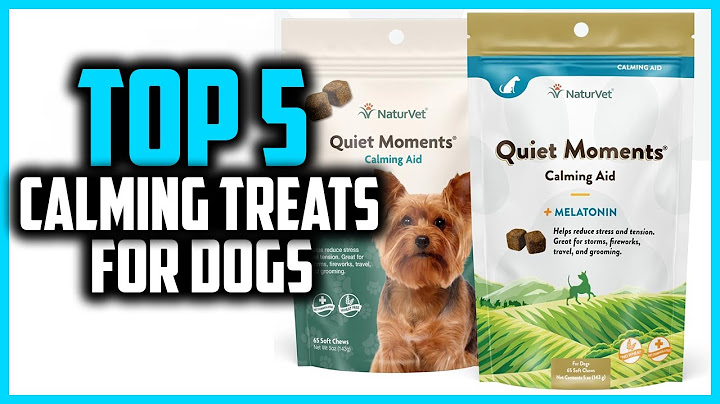
What calming treats can and cannot do
Chews may be convenient for occasional, predictable situations, but they are not tranquilizers or guaranteed treatments for separation anxiety. Treat format should not hide the difference between a nutritional supplement and prescription medicine. Match the proposed purpose to the dog’s problem, and ask whether the concern needs a structured behavior plan first.
Key ingredients to examine
Look beyond labels such as “stress relief” to the named ingredients and quantities. L-theanine, milk-protein derivatives and some botanicals appear in this category, but supporting data may apply only to certain formulations. Avoid assuming that multiple calming ingredients work better together; mixtures make it harder to judge which component is responsible for effects or side effects.
Testing and label transparency
Check batch identification, company contact details, palatability disclosures and quality testing for contaminants. A manufacturer should make its serving basis clear and explain whether a claimed study used the actual finished product. Consumer star ratings may describe taste or shipping as much as anxiety-related outcomes; they are not controlled evidence.
Size and serving cautions
Dogs of different weights should not automatically share a chew, and a highly flavored supplement can be easy to overeat. Count calories, check minimum age recommendations, and keep the container secured. A canine-specific supplement should not be replaced by a human gummy or sleep product, especially one containing xylitol or an inappropriate sedative.
When to avoid self-treating anxiety
Severe trembling, self-injury, panicked escape behavior or persistent distress calls for veterinary behavior care. Hiding symptoms with an over-the-counter chew may postpone effective treatment. Prescription options and training can be appropriate when needed, but those decisions belong with qualified professionals.
Checklist for comparing products
Compare products using six practical questions: Are the ingredients and amounts transparent? Is the intended use specific? Is the canine age/weight guidance clear? Are quality processes disclosed? Are interactions addressed? Is there evidence for the exact formula? The answer to those questions matters more than a universal “number one” winner.
A practical decision checklist
Define the stressful event or behavior you want to address and check whether a chew is an appropriate adjunct.
Read the exact package label, including all active and inactive ingredients, amounts per serving, age limitations and expiration.
Review the complete food ration, other chews and medications with your veterinarian before adding or stacking products.
Choose an observable outcome and a follow-up plan; stop and seek advice if side effects or concerning symptoms occur.
Frequently asked questions
What matters most when comparing calming treats?
Ingredient transparency, canine safety, formulation-specific evidence and the dog’s actual trigger are more useful than a popularity ranking.
Are calming treats a replacement for training?
No. Predictable routines and positive behavior support remain important even when a clinician recommends a supplement.
Do more calming ingredients mean better results?
Not necessarily. Complex blends can obscure doses, interactions and which component produces an effect.
Related guides
Dog Supplements: What Helps, What Does Not, and Safety
Calming Supplements for Dogs: Evidence, Ingredients and Safety