Best Fish Oil for Dogs: How to Evaluate Quality and EPA/DHA
Use a buyer checklist to compare fish oil for dogs: EPA and DHA disclosure, product testing, freshness and veterinary suitability.
Best Fish Oil for Dogs: How to Evaluate Quality and EPA/DHA
Updated November 2, 2026 | US English | Veterinary editorial review pending
A good fish oil for dogs should disclose meaningful EPA and DHA amounts, quality-control information, a usable expiration date and clear storage instructions. Generic “fish oil milligrams” alone cannot show how much active omega-3 a dog receives. Rather than a fabricated top-ten ranking, this guide explains the checks that separate useful product data from vague advertising.
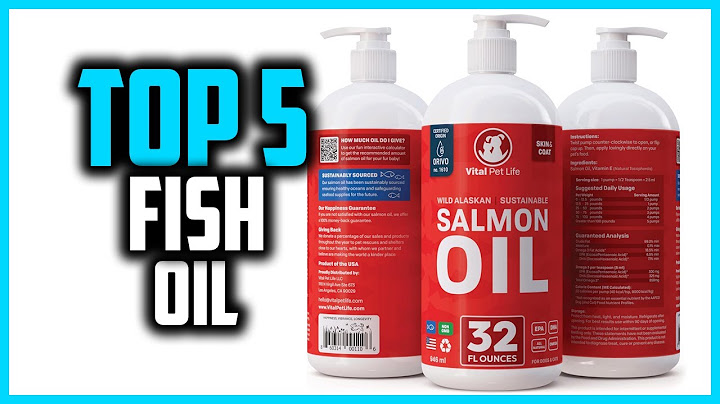
Which dogs may benefit
The first question is whether marine fatty acids are appropriate for the dog. A veterinarian may consider them for certain skin or joint situations, while a healthy dog already receiving an appropriate diet may not need another oil. Shopping without a clinical purpose encourages oversized products and unnecessarily high exposures.
EPA and DHA on labels
Compare EPA and DHA individually or as a combined stated amount per serving. Total fish oil, total omega-3 and EPA+DHA are different figures. If an item states only “salmon oil,” request the actual active-fatty-acid data. This is especially important when comparing a small flavored chew with a liquid concentrate.
Quality and freshness testing
Useful transparency includes raw-material sourcing, testing for contaminants and oxidation, lot traceability, an expiration date and storage guidance. Packaging that reduces exposure to heat, light and air can support freshness. Claims of “pharmaceutical grade” should be evaluated critically when no testing standard or independent result is supplied.
Formulations and serving cautions
Liquids make ingredient adjustments possible under a professional plan but can spoil after opening; capsules may be easier to store but vary in concentration; chews add calories and other ingredients. Review the full formula for flavorings and extra vitamins. Never assume a product designed for people has been checked for canine use.
Questions to ask manufacturers
Ask whether the company specifies EPA/DHA rather than just fish oil, provides contaminant and freshness testing, identifies the exact source, and explains the claimed clinical benefit. Ask how to report an adverse reaction and confirm that the label matches the online listing. Save a batch number if there is a problem.
Why there is no one-size-fits-all best
There is no defensible universal winner because fish-oil needs and tolerance differ by dog. A clearer choice is a canine-appropriate formula with verifiable data, a veterinary reason for use and a monitoring plan. Ranking a product without examining its current label would be less useful than these criteria.
A practical decision checklist
Compare EPA and DHA amounts and batch-quality information before considering price or package size.
Read the exact package label, including all active and inactive ingredients, amounts per serving, age limitations and expiration.
Review the complete food ration, other chews and medications with your veterinarian before adding or stacking products.
Choose an observable outcome and a follow-up plan; stop and seek advice if side effects or concerning symptoms occur.
Frequently asked questions
What should the fish oil label show?
At minimum, clear EPA and DHA values, source, expiration, manufacturer information and storage instructions.
Does the largest fish oil number mean the strongest product?
No. Total oil amount may not reflect the amount of EPA and DHA.
Can fish oil upset a dog’s stomach?
Yes. It may cause loose stool or add calories, and some dogs have medical reasons to avoid an oil supplement.