Dog Supplements: What Helps, What Does Not, and Safety
A source-led guide to dog supplements, including vitamins, probiotics, fish oil, joint products and the risks of unnecessary use.
Dog Supplements: What Helps, What Does Not, and Safety
Updated November 2, 2026 | US English | Veterinary editorial review pending
Dog supplements can be useful for a diagnosed nutritional gap or a specific veterinary treatment plan, but more ingredients do not automatically mean better health. A dog eating a properly formulated, complete and balanced diet usually already receives its required vitamins and minerals. This guide helps owners distinguish targeted nutritional support from marketing claims, and decide when to involve a veterinarian.
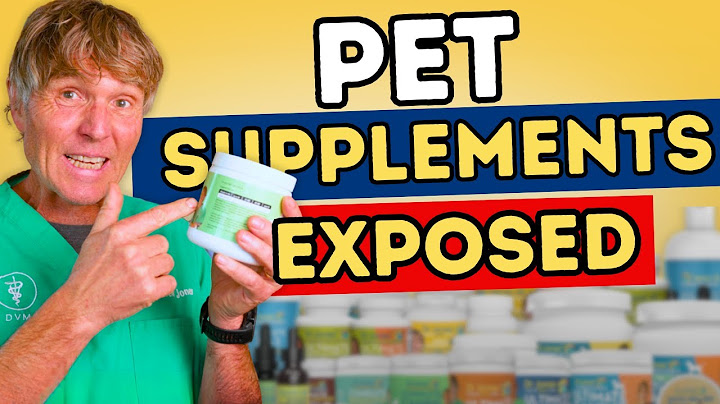
Quick answer: most healthy dogs do not need extras
The quick answer is that healthy adult dogs on a complete, appropriately fed commercial diet usually do not need extra vitamins. AAFCO’s guidance starts with whether a product is necessary at all, not with which jar has the strongest marketing. Supplement decisions change when a veterinary professional identifies an imbalanced recipe, a diagnosed condition or a clinically justified goal. Without that rationale, additions can make a balanced ration less safe.
What counts as a dog supplement
A supplement is something offered in addition to a pet’s normal ration. Nutrient products include vitamins, minerals and fatty acids; other pet products include probiotics, botanicals and joint-support compounds. They are not all regulated or evaluated in the same way as approved animal medications. Treats and chews typically do not provide a complete and balanced diet, even if their label uses terms such as “daily wellness.”
When a veterinarian may recommend one
A veterinarian might recommend a precisely formulated nutrient mix for a homemade diet, fatty-acid support for a selected condition, or a targeted product after evaluating diet history and clinical signs. The useful question is whether there is a measurable reason to use the product, and what improvement would indicate that it helps. Avoid equating age, breed or online testimonials with an individual deficiency diagnosis.
Risks of overdosing and interactions
Excess nutrients can be hazardous, especially when several products contain the same ingredients. FDA warnings describe serious vitamin D toxicity, including kidney damage, after excessive exposure. Herbal products can also interact with medications, and fatty-acid oils add calories and may cause digestive upset. Tell your veterinarian about every chew, topper, capsule and human product your dog could access.
How to assess labeling and evidence
Read the complete ingredient panel, amounts per serving, species and life-stage guidance, manufacturer contact details, lot identification and expiration date. Ask how the company checks identity, contamination and stability. A quality-program seal may support manufacturing confidence but does not prove a clinical benefit. Be skeptical of claims to cure allergy, arthritis, anxiety or liver disease without evidence and regulatory context.
Common supplement categories
Common categories include multivitamins, fatty acids, gastrointestinal probiotics and fiber, joint supplements, skin-and-coat products and calming chews. They address different buyer questions and should not be stacked automatically. For example, a fish-oil product should be assessed for EPA and DHA, while a probiotic needs strain identification. “All-in-one” packaging does not show that every component is needed.
Questions to ask your vet
Bring a photo of the food bag and supplement labels to an appointment. Ask whether the main diet already meets the requirement, whether the supplement has evidence for the specific condition, and whether it may interfere with medication. Agree on a review date and an observable outcome, such as a clinician-evaluated skin score, not an undefined promise of “vitality.”
A practical decision checklist
Start with your dog’s complete diet and an actual clinical or nutritional question, not the supplement aisle.
Read the exact package label, including all active and inactive ingredients, amounts per serving, age limitations and expiration.
Review the complete food ration, other chews and medications with your veterinarian before adding or stacking products.
Choose an observable outcome and a follow-up plan; stop and seek advice if side effects or concerning symptoms occur.
Frequently asked questions
Does every dog need a daily supplement?
No. Healthy dogs eating complete and balanced food for their life stage generally do not need a multivitamin. Individual medical or diet needs should be assessed by a veterinarian.
Are natural dog supplements automatically safe?
No. Natural ingredients can cause side effects, contain contaminants or interact with medications. Safety depends on the formula, amount, individual dog and quality controls.
Can I combine skin, joint and vitamin chews?
Do not stack products without checking the full ingredient list. Overlapping vitamins, fatty acids and other active components can create avoidable excesses.
Related guides
Dog Multivitamins: Are They Needed and How Do You Choose?
Calming Supplements for Dogs: Evidence, Ingredients and Safety