Best Multivitamins for Dogs: Evidence-Based Buyer Checklist
Compare dog multivitamins using clear criteria for label quality, nutrient amounts and veterinary suitability, without unsupported rankings.
Best Multivitamins for Dogs: Evidence-Based Buyer Checklist
Updated November 2, 2026 | US English | Veterinary editorial review pending
The best dog multivitamin is not the jar with the longest ingredient list. It is a product that matches a documented need, lists meaningful nutrient amounts, has credible quality controls and fits the dog’s other food and medications. This comparison guide uses transparent selection criteria rather than invented brand rankings, prices, first-hand testing or claims of universal benefit.
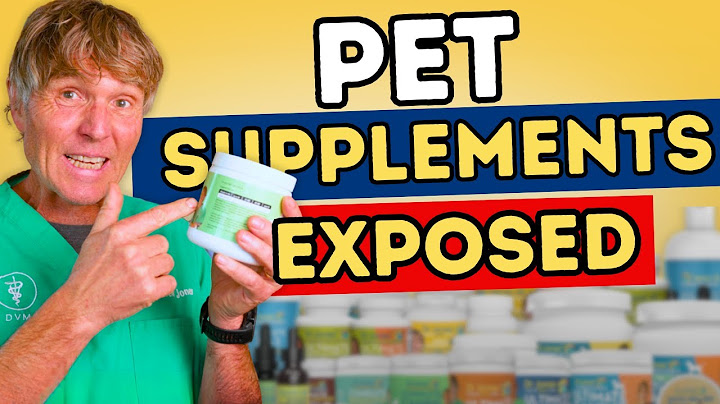
Who should consider a product comparison
This comparison becomes useful only after identifying a reason for supplementation. A healthy dog on complete food does not need a ranking simply because a multivitamin is popular. If a veterinary nutrition assessment suggests a specific gap, compare products that address that gap rather than the ones with the greatest number of advertised benefits.
What to check on the supplement label
Look for an explicit dog-specific label, a complete list of active ingredients, quantities per chew or capsule, feeding instructions and a clearly identified manufacturer. A blend without amounts cannot be compared meaningfully. Check product age limitations, any ingredient allergens, added sugar or flavoring, calorie contribution and whether several ingredients overlap with a therapeutic diet.
Manufacturer testing and NASC quality seal
Ask what testing verifies identity, label accuracy, contaminant screening and shelf-life stability. NASC quality programs can be one useful manufacturing signal, but a seal is not a clinical trial or proof of an outcome. A manufacturer should be willing to provide quality explanations and a mechanism for reporting adverse events. Prefer evidence that describes the exact formula, not vaguely similar vitamins.
Compare ingredient amounts
Milligrams and international units should be compared nutrient by nutrient with help from a veterinarian; a long ingredient panel can mask tiny or excessive amounts. Two products may both contain vitamin D yet differ in concentration, while some formulas add minerals or joint ingredients as well. Do not combine multivitamins to “cover all bases.”
Red flags and unsafe claims
Red flags include guaranteed cures, unsupported veterinary endorsements, testimonials offered as trials, secret ingredient quantities and claims of correcting deficiency without testing. Another warning sign is a seller encouraging use of a human vitamin in place of an animal formulation. Current prices, availability and packaging can change; those variables cannot establish clinical superiority.
Why there is no universal best choice
There is no single best multivitamin for every breed, size or age. A dog with a balanced diet may need none, a dog on a home-prepared diet may need a recipe-specific mix, and a dog with disease may need a clinician-supervised plan. The right decision depends on those facts, not an affiliate list or social media popularity.
A practical decision checklist
Identify any proven nutrient gap before comparing products, ingredient counts or marketing awards.
Read the exact package label, including all active and inactive ingredients, amounts per serving, age limitations and expiration.
Review the complete food ration, other chews and medications with your veterinarian before adding or stacking products.
Choose an observable outcome and a follow-up plan; stop and seek advice if side effects or concerning symptoms occur.
Frequently asked questions
What is the single best multivitamin for dogs?
There is no universal choice. The useful product depends on whether the dog has a documented nutritional need and the balance of its existing diet.
Does an NASC seal mean a supplement works?
A quality seal may relate to manufacturing and labeling processes, but it does not establish clinical effectiveness for every advertised condition.
Is an expensive vitamin necessarily better?
No. Price is not a substitute for transparent quantities, reliable manufacturing and a sound reason to use the formula.