Nimbostratus Clouds: Weather and Identification
Nimbostratus Clouds: Weather and Identification Explore evidence-based facts, context and common misconceptions.
Nimbostratus Clouds: Weather and Identification
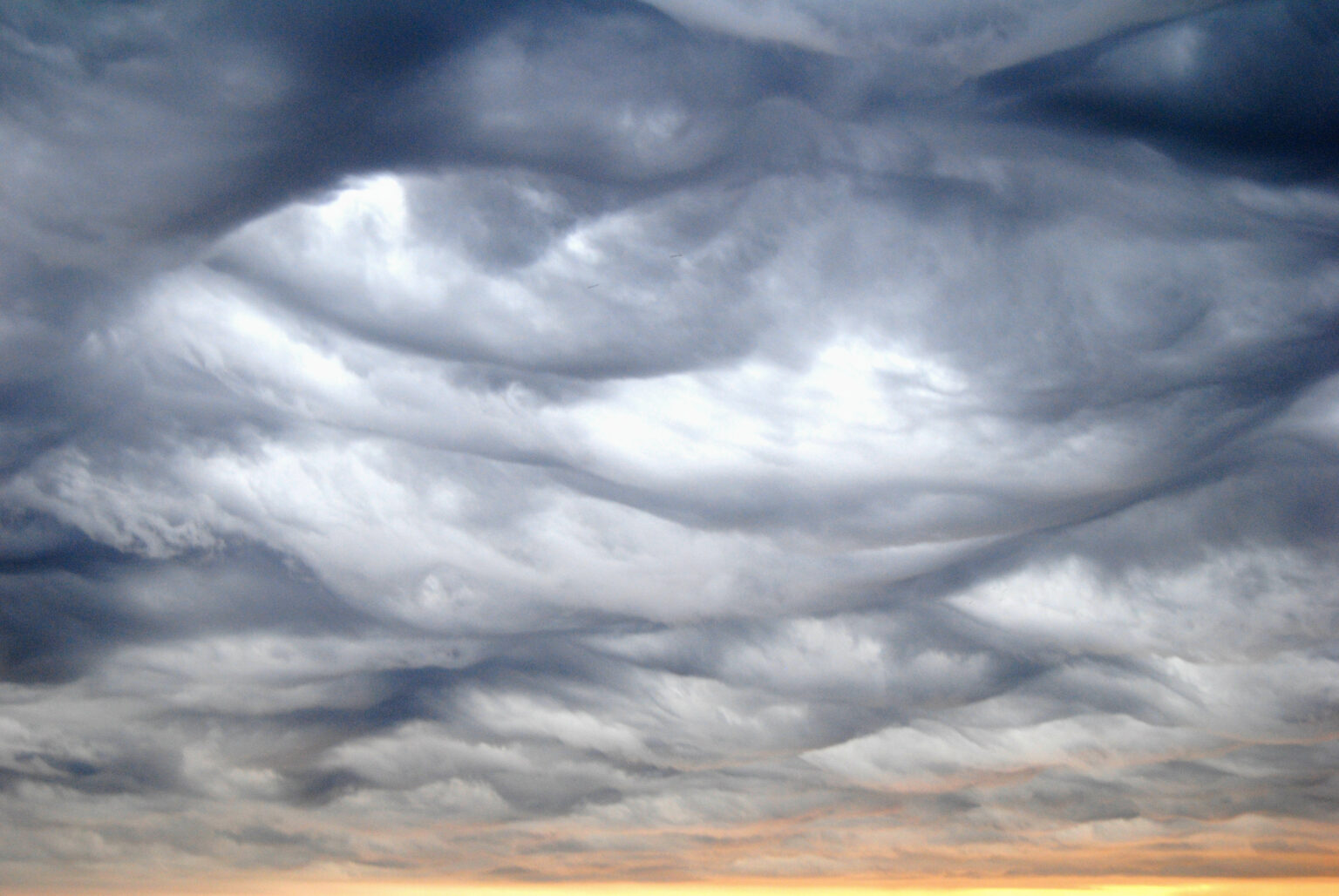
Nimbostratus is a broad, usually gray cloud layer associated with extensive precipitation. It often covers much of the sky and can produce prolonged rain or snow rather than brief isolated showers.
The essentials
The cloud is typically part of a large weather system where moist air rises over a wide area. Unlike towering thunderstorm clouds, it lacks the same dramatic vertical structure and is often visually featureless.
What makes this subject distinctive
Nimbostratus differs from low stratus or patchy stratocumulus mainly through weather and cloud organization. A photograph without information about precipitation and surrounding sky conditions may not settle identification.
A general explanation cannot predict the danger at a specific address. Exposure, building design, terrain, water depth, and current conditions change outcomes. Use local forecasts, hazard maps, and official emergency alerts for decisions that affect personal safety.
Common misconceptions and limits
Cloud type is one clue to weather, not a guaranteed forecast. Local temperature, terrain, and changing fronts determine whether precipitation reaches the ground as rain, sleet, or snow.
Science explains processes; emergency authorities communicate immediate decisions. If a topic involves public safety, general educational prose must not override local earthquake guidance, weather warnings, evacuation maps, or coastal tsunami instructions.
Understanding the physical process
Earth systems are connected: oceans influence climate, rock processes shape land, and atmospheric conditions govern many weather hazards. The essential scientific distinction is between the physical cause of a phenomenon and the particular impact experienced in one place.
Key points at a glance
Nimbostratus is a broad, usually gray cloud layer associated with extensive precipitation.
The cloud is typically part of a large weather system where moist air rises over a wide area.
Nimbostratus differs from low stratus or patchy stratocumulus mainly through weather and cloud organization.
Frequently asked questions
What is the basic explanation?
Nimbostratus is a broad, usually gray cloud layer associated with extensive precipitation.
Why can local conditions change the outcome?
The cloud is typically part of a large weather system where moist air rises over a wide area.
When should official guidance take priority?
Cloud type is one clue to weather, not a guaranteed forecast.
Explore related guides
Earth Science Explained: Oceans, Weather, Volcanoes and Natural Hazards
