Earth Science Explained: Oceans, Weather, Volcanoes and Natural Hazards
A practical, source-led guide to earth science and natural hazards, with accurate explanations and links to detailed topics.
Earth Science Explained: Oceans, Weather, Volcanoes and Natural Hazards
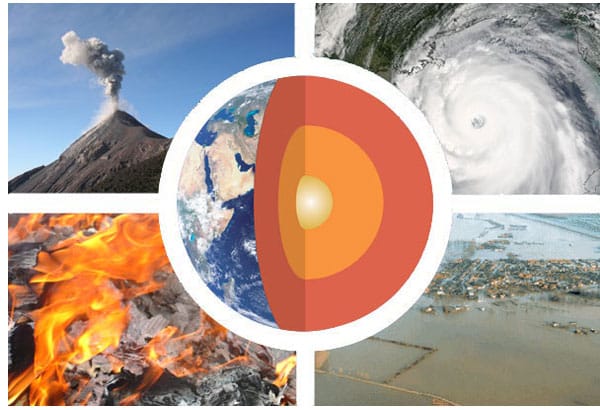
Earth is shaped by moving tectonic plates, atmospheric circulation, oceans, and the constant transfer of energy. This introduction connects the underlying science with the way natural hazards are observed and communicated, without replacing local safety information.
Earth systems are connected
Air, oceans, water, ice, and the solid Earth exchange energy and matter. Large-scale ocean circulation can shape climate, plate movement builds mountain chains and volcanoes, and weather patterns control clouds and wind chill. Understanding one hazard starts by knowing which physical process causes it.
In practical reading, this distinction helps prevent a narrow example from becoming an unsupported general rule. Ask which place, species, time period, instrument, or source the claim concerns. That context often changes the meaning of an otherwise simple fact.
Volcanoes and plate tectonics
Magma is molten rock below ground; lava is the same material after it reaches the surface. Subduction zones can generate both earthquakes and volcanic systems around parts of the Pacific. Mount St. Helens illustrates how landslides, blasts, ash, and later ecological change combine in a major eruption.
In practical reading, this distinction helps prevent a narrow example from becoming an unsupported general rule. Ask which place, species, time period, instrument, or source the claim concerns. That context often changes the meaning of an otherwise simple fact.
Weather observations and human exposure
Nimbostratus commonly brings extended precipitation, while wind chill estimates how moving air affects heat loss from exposed skin. The numbers on a weather display require interpretation; local conditions and official advisories are more important than a dramatic standalone headline.
In practical reading, this distinction helps prevent a narrow example from becoming an unsupported general rule. Ask which place, species, time period, instrument, or source the claim concerns. That context often changes the meaning of an otherwise simple fact.
Earthquakes and coastal tsunamis
During earthquake shaking, the usual protective action is Drop, Cover, and Hold On. A strong or long coastal earthquake can also be a natural tsunami warning. After immediate shaking danger has passed, people in a tsunami hazard zone should move to high ground or inland without waiting to see a wave.
In practical reading, this distinction helps prevent a narrow example from becoming an unsupported general rule. Ask which place, species, time period, instrument, or source the claim concerns. That context often changes the meaning of an otherwise simple fact.
How to use an educational hazard guide
These articles explain physical processes and common warning signs, but are not real-time forecasts or evacuation plans. Before an emergency, learn the routes and alert systems provided by local authorities. During an incident, follow official warnings instead of relying on general reference material.
In practical reading, this distinction helps prevent a narrow example from becoming an unsupported general rule. Ask which place, species, time period, instrument, or source the claim concerns. That context often changes the meaning of an otherwise simple fact.
Checking the evidence
Science explains processes; emergency authorities communicate immediate decisions. If a topic involves public safety, general educational prose must not override local earthquake guidance, weather warnings, evacuation maps, or coastal tsunami instructions.
Earth systems are connected: oceans influence climate, rock processes shape land, and atmospheric conditions govern many weather hazards. The essential scientific distinction is between the physical cause of a phenomenon and the particular impact experienced in one place.
Frequently asked questions
Are magma and lava the same thing?
Both involve molten rock, but magma is below ground and lava is material erupted onto the surface.
What should you do during earthquake shaking?
In most situations, Drop, Cover, and Hold On. Follow local emergency instructions for additional hazards.
Can a tsunami arrive without an official alert?
Yes. Strong coastal shaking or unusual ocean behavior can be a natural warning requiring immediate evacuation.
Explore related guides
Use these focused articles when you need a species profile, a historical timeline, a specific measurement, or a closer look at one physical process. Each guide has a narrower purpose than this overview.
Southern Ocean: Location, Boundaries and Wildlife
Wind Chill Explained: Meaning, Calculation and Safety
What Is Magma? How It Differs from Lava
Nimbostratus Clouds: Weather and Identification
The Pacific Ring of Fire: Volcanoes, Plates and Earthquakes
Mount St. Helens Before and After the 1980 Eruption
