Chicken Eggs Explained: Structure, Formation, and Shell Colors
Chicken Eggs Explained. Explain egg formation, shells and albumen without duplicating backyard chicken.
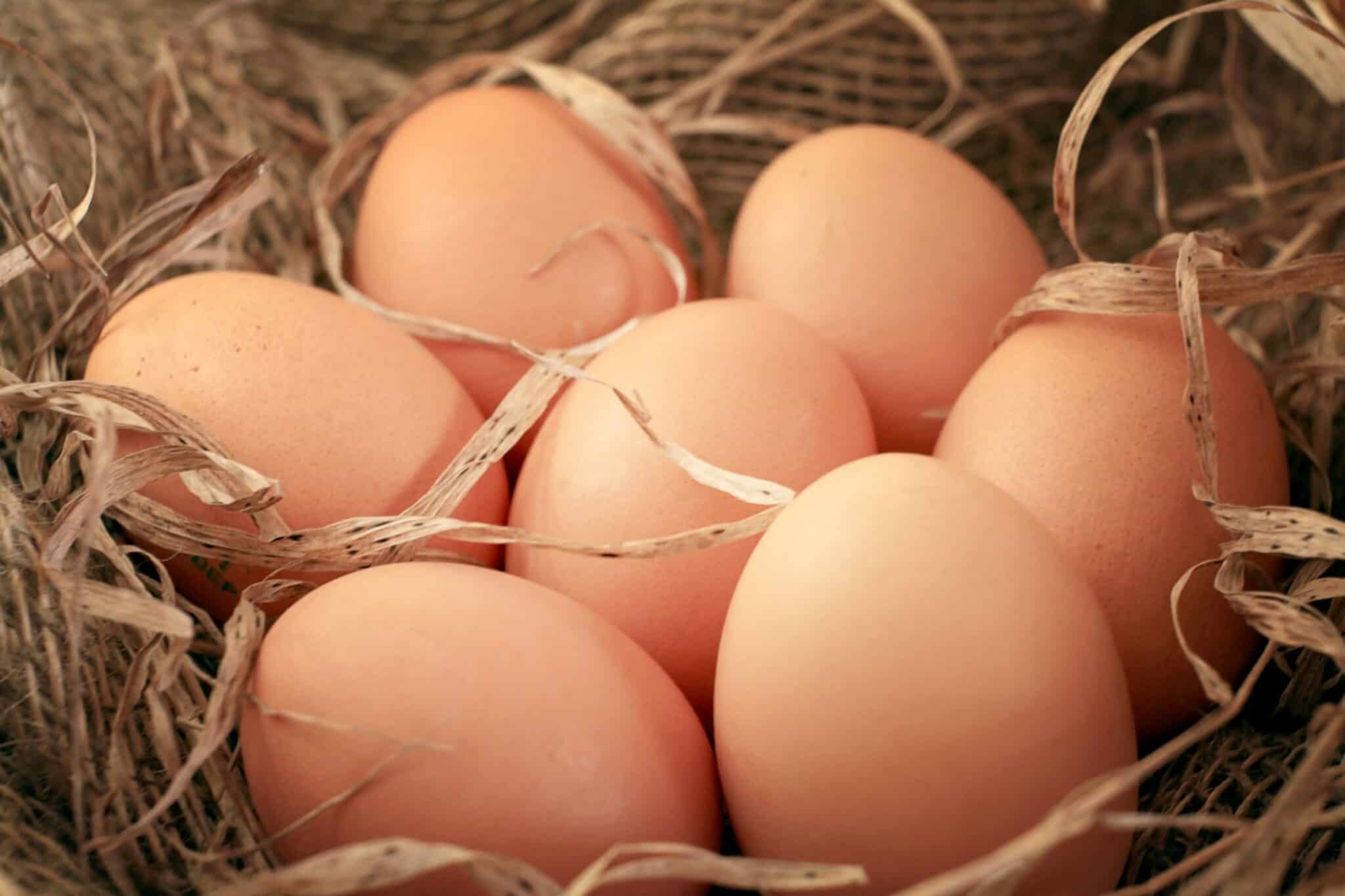
Chicken Eggs Explained: Structure, Formation, and Shell Colors
A chicken egg contains a protective shell, shell membranes, albumen (egg white), yolk, and a small germinal disc on the yolk.
Inside a chicken egg
The chalazae are twisted strands of protein that help keep the yolk positioned. Most eggs sold for eating are unfertilized and cannot develop into chicks.
How the egg forms
The yolk develops within the hen’s ovary; the ovulated yolk then passes through the oviduct, where white, membranes, and shell are added. The process takes about a day in a laying hen, but individual timing varies. Shell color comes from genetics and pigment deposition, not from the freshness of the egg.
Brown, white, and blue shells
Different chicken lines produce different shell colors. Brown eggs are not intrinsically more nutritious or safer than white eggs. Cracks, cleanliness, storage time, and temperature management affect food safety much more directly than color or the price charged for a carton.
Fertility and safe handling
A rooster is required for fertilization, but hens lay eggs without roosters. A fertilized egg will develop only under suitable incubation conditions. Wash hands and utensils after handling raw eggs, refrigerate according to local guidance, and cook dishes to appropriate safe temperatures.
What eggshell color really tells you
White, brown, blue, or tinted shells primarily reflect genetics and the pigments deposited during shell formation. A dark shell is not automatically thicker or fresher, and two eggs of the same color can have very different nutritional profiles. Shell damage, storage temperature, and time since laying matter more for handling decisions. A fertilized egg can look similar to an unfertilized one; without proper incubation, it will not develop into a chick. These are different questions often mistakenly mixed together.
What a useful field note records
When observing birds or insects, write down location, season, appearance, food source, and behavior. Those details often separate similar-looking species and life stages. If an animal is being managed in captivity or on a farm, welfare and hygiene requirements need their own expert guidance; wild behavior is not a ready-made care plan.
From life history to responsible observation
An animal may behave differently as an egg, larva, juvenile, or adult, and seasonal changes may affect how easy it is to see. A species described as beneficial in one setting can be a pest or prey item in another. Use photographs and field notes without disturbing nests, colonies, or habitat. Where keeping or feeding animals is involved, follow the guidance appropriate to that exact species and local rules, not a general wildlife description.
Frequently asked question
Does a hen need a rooster to lay eggs?
No. A rooster is needed for fertilization, not for egg laying itself.
Related guides
Goose Eggs • What Is a Chicken Gizzard? Anatomy, Function, and Digestion • Turkey Eggs
